Understanding Steel Fabrication: What You Need to Know
1. Defining Steel Fabrication
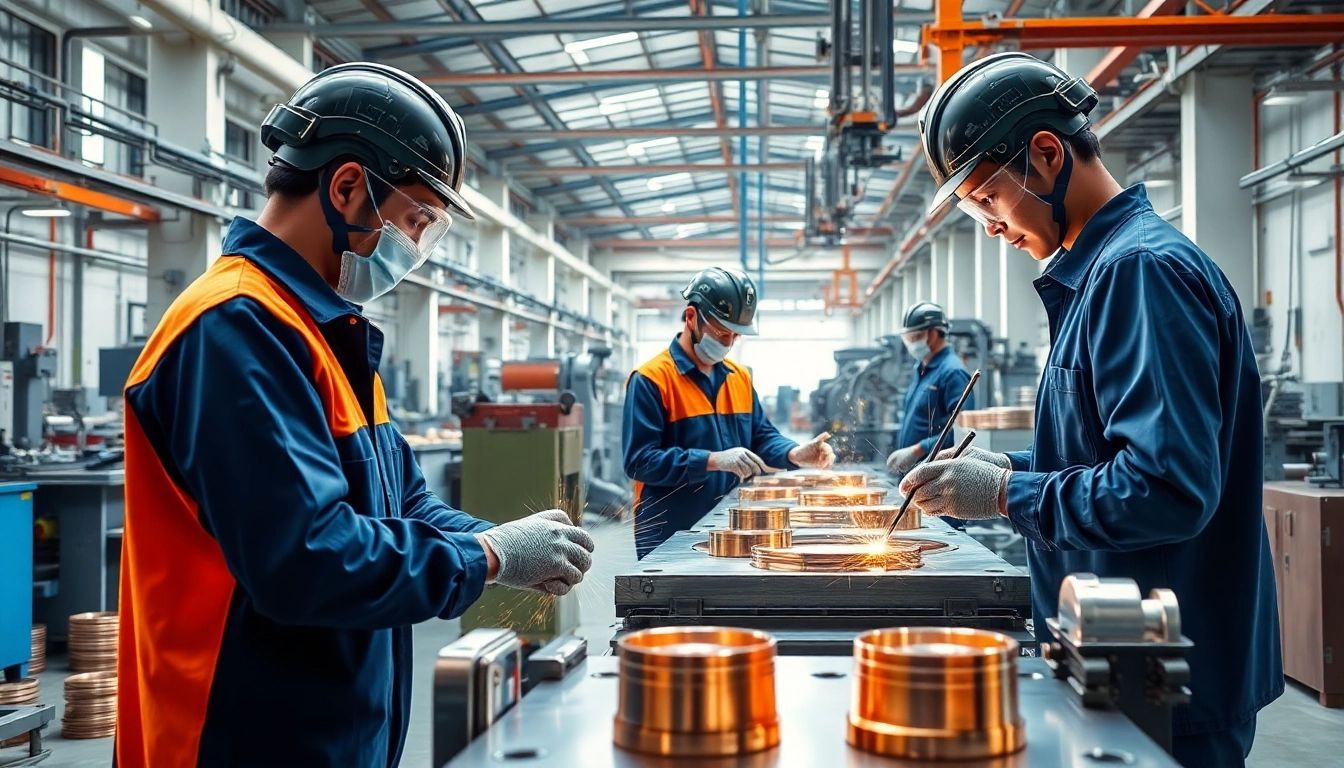
Steel fabrication is the process of creating metal structures by cutting, bending, and assembling various steel components. It encompasses a wide range of activities, including welding, machining, and even assembly line manufacturing. A steel fabrication shop serves as the hub where these processes come together to create functional and structural steel products tailored to specific needs.
In essence, steel fabrication is about taking raw steel and transforming it into usable products for construction, manufacturing, and other applications. The skilled tradespeople in steel fabrication shops use various techniques and tools to manipulate steel, allowing for immense creativity and customization to meet project requirements.
2. Key Processes in Steel Fabrication
Steel fabrication involves several key processes, each critical for different types of projects. Understanding these processes will help you appreciate the complexity and craftsmanship involved in steel fabrication.
- Cutting: This process involves slicing steel into specific sizes and shapes using mechanical saws, laser cutting, plasma cutting, or water jet cutting methods. The choice of cutting technique often depends on the thickness and type of steel.
- Bending: Bending accounts for shaping steel components into curves or angles as required by designs. Equipment like press brakes and roll benders are utilized in this process.
- Welding: One of the most critical steps, welding is used to join metal parts by melting and fusing them together. Various methods (MIG, TIG, stick welding) are available to suit different applications and materials.
- Finishing: After fabrication, the steel can undergo surface treatments like galvanizing, coating, or painting to enhance durability, resistance to corrosion, and aesthetics.
- Assembly: Finally, steel components are assembled into larger structures such as frames, beams, or even intricate installations that serve specific functional purposes.
3. Common Uses for Steel Fabrication
Steel fabrication is instrumental in several industries, each capitalizing on the durability and versatility of steel. Common applications include:
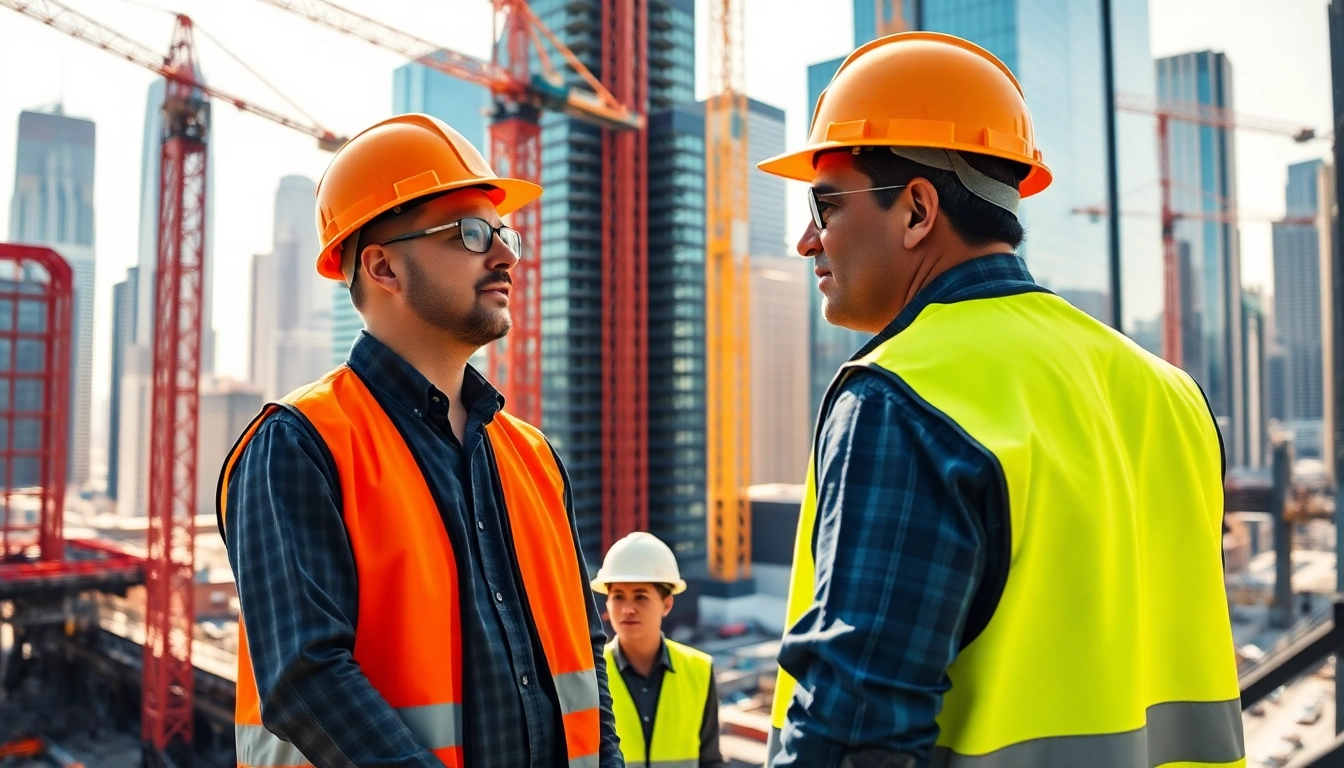
- Construction: Steel beams and frames are critical components in the construction of buildings, bridges, and other infrastructure.
- Automotive: Fabricated metal parts are used in vehicle chassis, engine components, and other structural elements to enhance performance and safety.
- Manufacturing: Steel fabrication supports the production of machinery and industrial equipment, providing structural integrity and robustness.
- Architecture: Decorative steel fabrications such as railings, gates, and art installations leverage both the strength and aesthetic potential of steel.
- Energy: With the rise of renewable energy, steel fabrication is pivotal in constructing wind turbines, solar panel frames, and other energy-related infrastructure.
Choosing the Right Steel Fabrication Shop
1. Evaluating Shop Capabilities and Equipment
When selecting a steel fabrication shop, it is essential to assess their capabilities and the range of equipment available. Look for shops that utilize modern technology and techniques, as they can provide higher precision and efficiency. Key elements to evaluate include:
- Machinery: Ensure the fabrication shop is equipped with advanced machinery specific to the type of work you need done. This can include CNC machines, laser cutters, and welders.
- Capacity: Consider the shop’s production capacity and whether they can handle your project’s estimated volume and timelines.
- Technology: Shops utilizing the latest software for design and processing can yield better outcomes, as they enable precise modeling and optimizations.
2. Assessing Experience and Expertise
The experience of a steel fabrication shop can significantly impact the quality and efficiency of your project. A shop with a long-standing reputation in the community is likely to have honed its skills and developed a keen understanding of industry requirements. Consider the following:
- Portfolio: Review their previous projects to gain insight into their capabilities and the quality of their work. Look for similar projects to yours.
- Qualifications: Knowing the qualifications of their workforce, including certifications in welding and fabrication, can help assure you of their expertise.
- Customer Reviews: Analyze testimonials and feedback from past clients to gauge satisfaction and reliability.
3. Importance of Customer Service in Fabrication
Strong customer service is a critical aspect of any successful partnership with a steel fabrication shop. Ensure that the shop values clear communication and transparency throughout the project lifecycle. Good customer service includes:
- Responsiveness: A prompt response from the shop enhances communication and project management.
- Problem-Solving: The ability to address concerns and suggest solutions is crucial, especially when challenges arise during the fabrication process.
- Support: Consider the level of support provided, such as assistance with design modifications or logistics.
Cost Factors in Steel Fabrication
1. Breakdown of Fabrication Costs
Estimating the cost of steel fabrication can be complex, as several factors come into play. The primary components of fabrication costs include:
- Labor Costs: Skilled labor is often the most significant expense in steel fabrication. Rates will depend on geographical location, complexity of work, and crew size required.
- Material Costs: The price of steel and other materials fluctuates based on market demand, specifications, and sourcing agreements. Standard grades of steel will generally be less expensive than custom alloys.
- Overhead Expenses: These include operating costs for the shop, such as utilities, insurance, and equipment maintenance.
- Transportation: Fees for delivering fabricated components to the job site can further complicate cost assessments, especially for larger projects.
2. How Location Influences Pricing
The location of the fabrication shop can significantly impact pricing. Several factors contribute to this variance:
- Labor Market: Regions with higher living costs often have greater labor rates, influencing the overall cost of fabrication.
- Material Availability: Shops located near steel mills or suppliers may have reduced material costs due to lower shipping fees.
- Competition: Areas with numerous fabrication shops may lead to price competition, affecting overall pricing strategies.
3. Estimating Project Costs Accurately
To ensure you can prepare an accurate budget for your steel fabrication project, it’s essential to consider all cost factors outlined earlier. Follow these steps for effective cost estimation:
- Gather detailed project specifications to understand the scope and requirements.
- Request quotes from multiple fabrication shops for comprehensive comparisons.
- Account for potential contingencies, including unexpected delays or material shortages.
- Review contracts carefully to identify all cost components, including hidden fees.
Quality Assurance in Steel Fabrication
1. Industry Standards and Certifications
Quality assurance in steel fabrication is paramount. Various industry standards and certifications (such as ISO and AWS certifications) should be considered when evaluating a fabrication shop. These standards ensure the shop adheres to specific quality and safety benchmarks throughout the fabrication process.
2. Importance of Quality Control Processes
Effective quality control processes within a steel fabrication shop can save time and costs by reducing errors and reworks. Quality control should include:
- Inspections: Regular inspections of raw materials and finished products help maintain quality. Inspections can be visual or involve more sophisticated NDT (Non-Destructive Testing) methods.
- Traceability: Being able to track materials from their source to the finished product can help identify potential issues and enhance accountability.
- Documentation: Keeping detailed records of processes, inspections, and quality checks can facilitate compliance with industry regulations and improve transparency.
3. Ensuring Material Integrity and Durability
Ensuring the integrity and durability of fabricated products involves selecting the right materials and adhering to the highest standards during fabrication. Considerations include:
- Material Selection: Choose materials that meet project specifications and environmental conditions, considering weight, strength, and resistance to corrosion.
- Fabrication Techniques: The techniques used—welding, cutting, and bending—must be executed by experienced professionals to prevent structural weaknesses.
- Testing: Implementing robust testing protocols can identify defects before the product is delivered, ensuring it meets quality and safety standards.
Future Trends in Steel Fabrication
1. Advancements in Fabrication Technology
The steel fabrication industry is witnessing a significant technological shift. Innovations in automation, robotics, and advanced software are streamlining production processes. For instance, robotic welding and automated cutting can significantly reduce labor costs while enhancing precision and quality. Additionally, CAD (Computer-Aided Design) software allows for more complex design capabilities and quicker prototyping.
2. Sustainability Practices in Steel Fabrication
As sustainability becomes increasingly critical, steel fabrication shops are adopting practices to reduce waste and energy consumption. Key strategies include:
- Recycling: Many fabrication shops are incorporating recycled steel into their projects, minimizing raw material extraction.
- Energy Efficient Machines: Upgrading to energy-efficient machinery helps reduce operating costs and lowers environmental impact.
- Waste Minimization: Implementing cutting optimization techniques helps reduce scrap material, contributing to less waste overall.
3. Emerging Markets and New Applications
With the ongoing expansion of technology and infrastructure, new markets are emerging where steel fabrication meets ever-evolving needs. Sectors such as renewable energy, advanced manufacturing, and smart city projects are creating demand for innovative steel solutions. For instance, the rise of 3D printing in metals could revolutionize the way parts are created, allowing for rapid prototyping and customized designs.