Understanding Steel Fabrication and Its Importance
What is Steel Fabrication?
Steel fabrication is a vital process that involves the cutting, shaping, and assembling of steel to create various structures and components. It plays a crucial role in numerous industries, from construction and manufacturing to automotive and aerospace. This specialized discipline requires skilled professionals who can manipulate raw materials into usable products effectively.
Significance of Steel Fabrication in Modern Industries
The significance of steel fabrication cannot be overstated. It serves as the backbone of construction and manufacturing sectors. Structures such as buildings, bridges, and machinery rely heavily on steel components, which are engineered to withstand immense pressure and adverse conditions. Additionally, steel fabrication enables the customization of products according to specific project requirements, enhancing versatility and efficiency.
Common Applications of Steel Fabrication Shops
Steel fabrication shops cater to a wide range of applications including:
- Construction: Structural steel for buildings, bridges, and frames.
- Manufacturing: Production of machinery parts and tools.
- Automotive: Components for vehicles and equipment.
- Aerospace: Custom parts for aircraft and related structures.
Choosing the Right Steel Fabrication Shop
Key Factors to Consider When Selecting a Shop
Choosing the right steel fabrication shop requires careful consideration of several factors:
- Capabilities: Ensure the shop can meet your project specifications.
- Experience: Look for a shop with a proven track record in your industry.
- Technologies: Advanced machinery and techniques can make a difference in quality.
- Location: Local shops can facilitate communication and reduce shipping times.
The Role of Certifications and Experience
Certifications are essential in ensuring the quality and reliability of a steel fabrication shop. Shops with accredited certifications often demonstrate adherence to industry standards and best practices. Additionally, experience in similar projects can assure clients that the shop possesses the knowledge to address unique challenges effectively.
Evaluating Customer Reviews and Portfolios
Customer reviews provide valuable insight into a shop’s reliability and quality of work. Prospective clients should not only read testimonials but also request examples of past projects. Portfolios showcasing previous work can help gauge the shop’s skill level and versatility, making it easier to determine if they are a good fit for specific needs.
Processes Involved in Steel Fabrication
Cutting Techniques Used in Fabrication
Cutting is one of the first steps in the steel fabrication process. Several techniques are employed, including:
- Shearing: Using a blade to cut straight lines in metal sheets.
- Laser Cutting: Precision cutting using laser beams for intricate designs.
- Plasma Cutting: Utilizes plasma torches for cutting thicker metals efficiently.
Welding Methods Explained
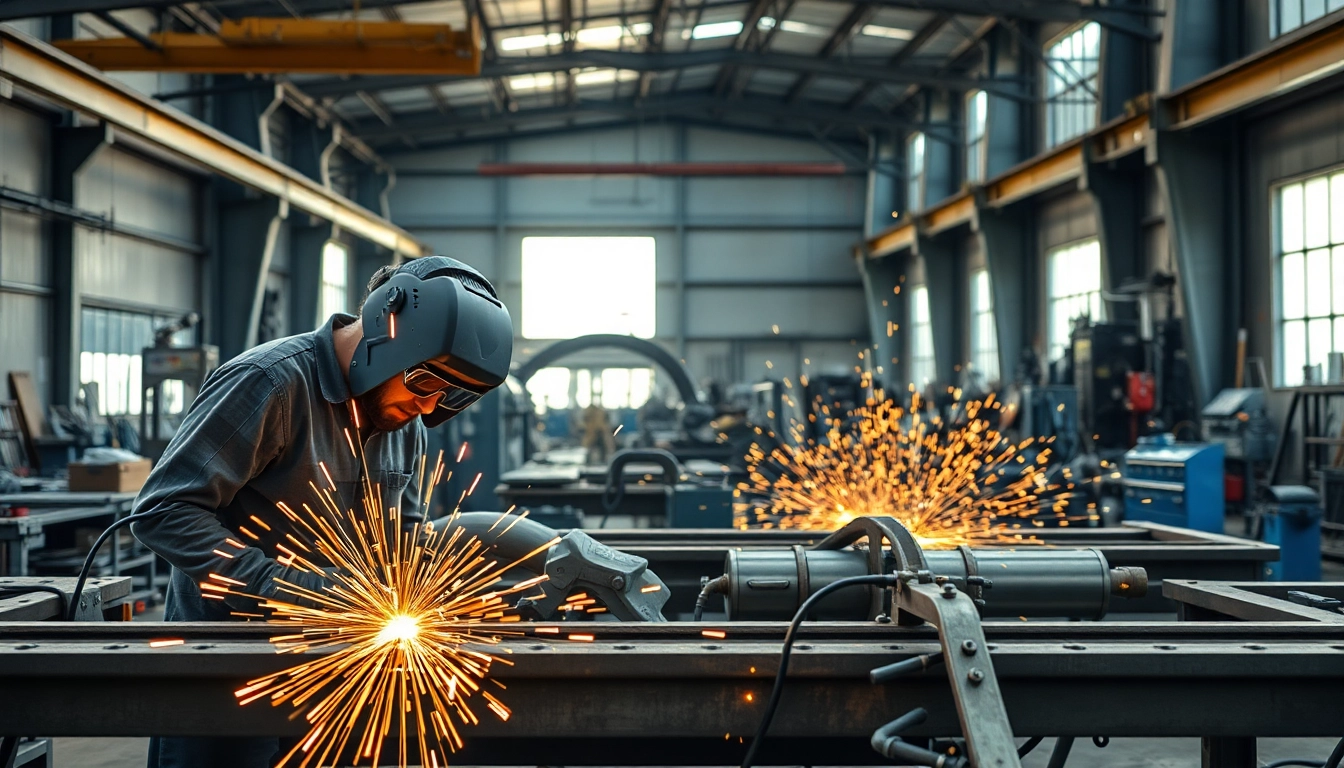
A critical phase in metal fabrication is welding, which joins metal pieces together. Common methods include:
- MIG Welding: Metal Inert Gas welding, which is suitable for various materials and thicknesses.
- TIG Welding: Tungsten Inert Gas welding, ideal for thinner sections and has a high-quality finish.
- Stick Welding: Covered electrode process used for outdoor welding and thicker materials.
Finishing Services in Steel Fabrication
Finishing services are significant in providing products with durability and aesthetic appeal. Common finishing services include:
- Powder Coating: Provides a protective layer that enhances resistance to rust and environmental conditions.
- Galvanization: A process that involves coating steel with zinc to prevent corrosion.
- Polishing: Enhances the surface finish, giving the metal a shiny appearance.
Cost Considerations for Steel Fabrication Services
Average Costs of Steel Fabrication Projects
The costs associated with steel fabrication projects can vary significantly based on project complexity. On average, smaller projects may begin at several hundred dollars, while larger industrial projects can reach tens of thousands of dollars. Understanding your budget and obtaining quotes from multiple shops can help ensure competitive pricing.
Factors Affecting Overall Fabrication Costs
Several factors contribute to the overall costs of a fabrication project, including:
- Material Type: Different materials have varying costs.
- Design Complexity: More intricate designs often require additional labor and time.
- Production Volume: Larger orders can sometimes reduce overall cost per unit.
Estimating Quotes from Different Shops
When requesting quotes, be specific about your project requirements. Detailed specifications will help fabrication shops provide accurate estimates, minimizing misunderstandings and miscommunications. Engaging with multiple shops can help compare services and prices.
Future Trends in Steel Fabrication
Impact of Technology on Steel Fabrication
Technological advancements are reshaping the steel fabrication industry. Techniques such as automation and robotics increase accuracy, efficiency, and productivity in fabrication processes. Companies investing in these technologies often enjoy higher output rates with lower operational costs.
Environmental Considerations in Steel Fabrication
As environmental awareness grows, steel fabrication shops are incorporating sustainable practices. This includes reducing waste through efficient use of materials, recycling scrap metal, and implementing energy-efficient machinery. These practices not only help protect the environment but also lower production costs.
Innovations Reshaping the Steel Fabrication Industry
Innovations such as additive manufacturing (3D printing) are gaining traction within the industry. This allows for the creation of complex designs that were previously unachievable with traditional fabrication methods. Keeping up with these trends is essential for any shop aiming to stay competitive.
Frequently Asked Questions
What are the main types of steel used in fabrication?
Common types include carbon steel, stainless steel, and alloy steel. Each has unique properties, making them suitable for various applications.
How long does a typical steel fabrication project take?
Project timelines vary based on complexity. Small projects may take weeks, while larger industrial projects could take several months to complete.
Are custom fabrication services available?
Yes, many fabrication shops offer custom services tailored to specific client requirements, allowing for unique designs and specifications.
What safety standards should steel fabrication shops adhere to?
Fabrication shops should comply with OSHA regulations and implement safety protocols to protect workers and ensure a safe work environment.
Can I get a quote for my project online?
Many fabrication shops provide online quote requests, allowing potential clients to submit project details and receive estimates quickly.