
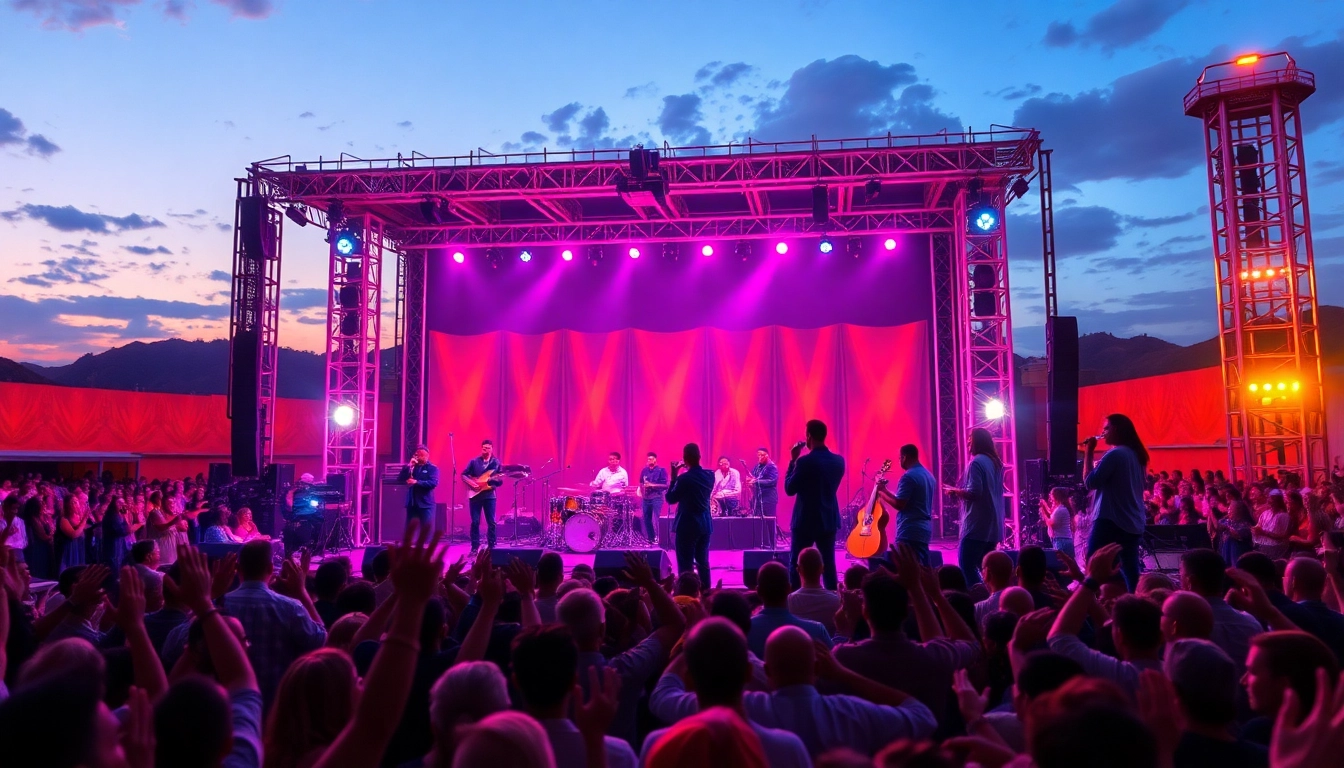
1. Understanding Kora Live Music
The kora is not merely an instrument; it is a conduit for emotion, tradition, and storytelling deeply rooted in African heritage. As a stringed instrument that marries the elegance of harp-like sounds with the harmonic richness of a lute, the kora forms the backbone of a genre that resonates throughout West Africa. To truly appreciate kora live music, one must delve into the historical and cultural significance it embodies, as well as the mastery involved in its performance.
1.1 What is the Kora?
The kora is a 21-stringed instrument, traditionally made from a calabash gourd that acts as a resonator, covered with cowhide. The strings, typically made from nylon or gut, are tied to a wooden neck, allowing musicians to create a vibrant array of sounds. Originating among the Mandinka people in West Africa, the kora serves both as a solo instrument and a conductor of ensemble performances. The unique construction of the kora lends itself to a variety of playing styles, enabling musicians to produce intricate melodies that echo the rich oral histories of their peoples.
1.2 Historical Significance of Kora Music
Kora music has a storied past, tracing back many centuries. Historically, it was performed by griots, or oral historians, who used the instrument to recount the tales of kings, heroes, and significant events. This living tradition is not merely artistic expression; it is a way of preserving historical narratives and cultural identities. The music, often described as a bridge across time, connects generations, fostering a sense of continuity and community. Understanding the depth of kora music provides insight not just into the instrument but into the pervasive influence of culture on art.
1.3 The Role of Kora in African Culture
In the cultural tapestry of West Africa, the kora holds a crucial place. It is more than an entertainment medium; it plays a pivotal role in rituals, celebrations, and communal gatherings. From weddings to naming ceremonies, the sound of the kora often marks the occasion, infusing it with a sense of joy and significance. Furthermore, kora music serves as an instrument of diplomacy and communication, reflecting social hierarchies and fostering relations among different clans and communities through music that transcends linguistic barriers.
The Art of Kora Performance
Mastering the kora is a lifelong journey for musicians, requiring a blend of technique, creativity, and an understanding of cultural rhythms. This section delves into the nuances of kora performance, highlighting essential techniques and the elements that make a performance resonate with audiences.
2.1 Techniques of Mastering the Kora
Learning the kora involves familiarizing oneself with unique plucking techniques, fingering styles, and rhythmic patterns that are characteristic of the instrument. Players typically employ a technique called “two-handed playing,” where the thumb and index fingers alternate with precision to create fast passages and intricate melodies. Beyond the technical skills, it’s crucial for players to immerse themselves in the oral traditions passed down through generations, often learning pieces by ear from more experienced musicians. This apprenticeship model allows the rich legacy of kora music to be preserved and innovated over time.
2.2 Key Elements of a Kora Live Performance
A kora live performance is an immersive experience influenced by various factors ranging from the musician’s emotional state to the venue’s acoustics. Key elements include:
- Improvisation: Kora performances often feature spontaneous improvisation, allowing the musician to express their creativity and emotional connection to the music.
- Storytelling: Many kora pieces are tied to narratives that resonate with cultural context, adding depth to the performance.
- Audience Interaction: Engaging with the audience can elevate the performance, allowing for a shared experience where listeners are invited to connect on a deeper level.
These elements together craft an atmosphere that is both enchanting and reflective of the cultural heritage from which the kora arises.
2.3 Notable Kora Artists to Know
The world of kora music is rich with talented artists who have popularized the instrument both regionally and globally. Notable figures include:
- Toumani Diabaté: Widely known for his exceptional technique and innovative compositions, Diabaté has garnered international acclaim.
- Ballake Sissoko: A master of the kora, Sissoko combines traditional sounds with modern influences, often collaborating with musicians from various genres.
- Sidiki Diabaté: The son of renowned kora player Toumani, Sidiki has made waves in the music world with his contemporary approach to traditional kora music.
These artists not only showcase the exquisite beauty of the kora but also push the boundaries of the genre, ensuring its evolution in the contemporary music scene.
Organizing a Kora Live Event
Host a kora live event, whether a concert or an intimate gathering, requires thoughtful planning and execution. Ensuring a memorable experience for both the musicians and the audience involves several key aspects.
3.1 Choosing the Right Venue for Kora Live Music
Selecting an appropriate venue is critical for the success of a kora live event. Consider these factors when choosing a location:
- Acoustic Qualities: The venue should have good acoustics to enhance the natural sound of the kora, ensuring clarity and richness.
- Capacity: The venue’s size should align with expected attendance, allowing for an intimate atmosphere without overwhelming the performers.
- Accessibility: Ensure that the venue is accessible for all potential attendees, accommodating those with mobility challenges.
Ultimately, the right setting can elevate the performance and create lasting memories for all involved.
3.2 Promoting Your Kora Live Performance
Effective promotion strategies are essential for attracting an audience to a kora live performance. Utilize a mixture of online and traditional marketing techniques, such as:
- Social Media: Promote the event through platforms such as Facebook, Instagram, and Twitter, utilizing visuals and snippets of kora music to invoke interest.
- Email Newsletters: Reach out to existing fans and potential attendees via newsletters that highlight the details of the event, including artist backgrounds and cultural significance.
- Collaborations: Partner with local cultural institutions or organizations that focus on African music and art to broaden the event’s reach.
By harnessing these strategies, organizers can effectively build excitement and ensure a successful turnout.
3.3 Creating an Engaging Audience Experience
Creating an immersive experience for the audience is vital for a memorable kora live event. Consider the following elements:
- Interactive Elements: Incorporate opportunities for audience interaction, such as Q&A sessions with performers or workshops for those interested in learning the kora.
- Complementary Performances: Collaborate with other artists to offer a diverse lineup that showcases various aspects of African music and culture.
- Informational Materials: Providing program notes or handouts that explain the history and cultural significance of kora music can enrich the experience, deepening audience appreciation.
By taking steps to engage the audience fully, organizers can foster a connection between the performers and attendees, amplifying the overall impact of the event.
Benefits of Attending Kora Live Concerts
Attending kora live concerts offers a multitude of benefits that extend beyond the enjoyment of music. These events provide unique cultural experiences that resonate on various levels.
4.1 Cultural Enrichment Through Live Music
Live kora performances provide audiences with a window into the rich tapestry of West African culture. Encountering the music in its authentic form allows attendees to appreciate the intricate connections between sound, storytelling, and tradition. Each performance encapsulates the spirit of a community, offering insights into their values, beliefs, and practices.
4.2 Connecting with Community Through Kora
Kora live concerts foster a sense of belonging and community. Through shared musical experiences, attendees can bond over a common appreciation for the artistry involved. Such gatherings often transcend individual differences, uniting people from diverse backgrounds around a shared celebration of culture. These events also provide opportunities for dialogue and connection, allowing individuals to engage with one another in meaningful ways.
4.3 Emotional Impact of Live Performances
The profound emotional resonance of kora music can significantly affect listeners. The evocative melodies and intricate rhythms create an atmosphere that can elicit a range of emotions—from joy and nostalgia to contemplation and healing. Attending a live performance allows individuals to fully immerse themselves in the experience, providing an opportunity to escape from daily life and connect with deeper feelings. The live setting enhances this emotional journey, as the energy of both the performers and the audience intertwine.
Future of Kora Live Music
The landscape of kora music is evolving as globalization and technological advancements influence the ways we engage with this art form. The future holds exciting possibilities, shaping the genre in unexpected ways.
5.1 Evolving Trends in Kora Music
Kora music is witnessing a blend of traditional and contemporary elements, leading to the emergence of new styles and genres. Musicians are increasingly experimenting with fusion, incorporating elements from jazz, hip-hop, and global folk music. This creative exchange revitalizes the genre, attracting younger audiences while preserving traditional values. As these trends continue to develop, the kora’s role in modern music is set to expand, maintaining its relevance while embracing innovation.
5.2 Digital Platforms Transforming Kora Live Music
The advent of digital platforms is revolutionizing the accessibility of kora music. Musicians can now reach global audiences through social media, streaming services, and virtual concerts. This digital presence allows artists to build their following, engage with fans, and collaborate across borders in unprecedented ways. Despite the challenges posed by physical distance, technology has created new avenues for live music experiences, enabling virtual festivals and real-time performances that can be experienced anywhere in the world.
5.3 How to Support Kora Artists and Events
Support for kora artists and live events is crucial for the sustainability of this art form. Here are ways individuals can contribute:
- Attend Live Events: Live performances not only provide support but also create demand for future concerts and engagements.
- Purchase Music: Supporting artists through the purchase of their music, merchandise, or donations directly contributes to their livelihood and artistic endeavors.
- Spread the Word: Sharing information about kora artists and events on social platforms helps to increase visibility and appreciation for this unique musical tradition.
By taking proactive steps to support kora artists, we help ensure the enduring legacy and evolution of this cherished musical form.