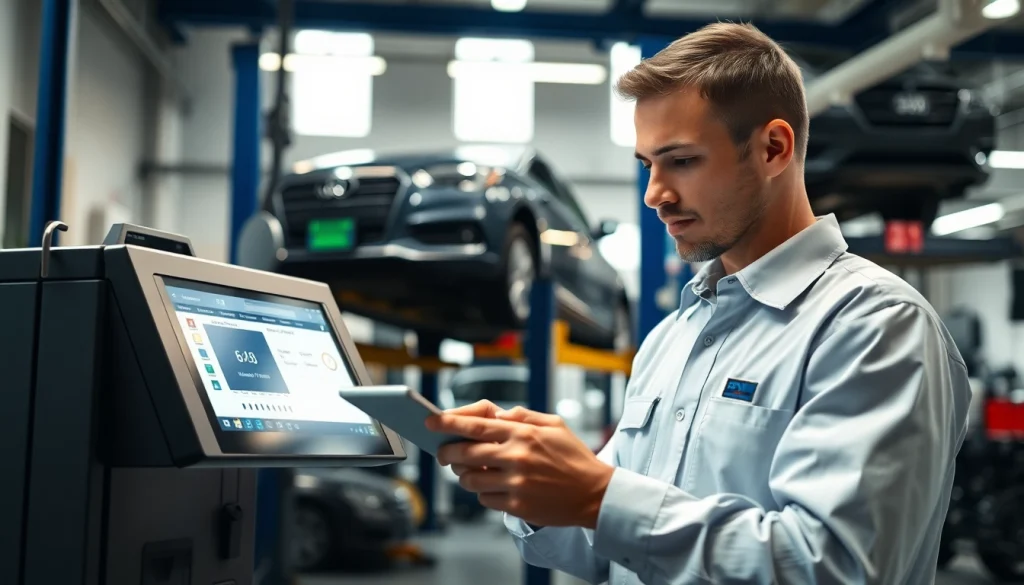
What is a Smog Check?
Definition and Purpose of Smog Check
A Smog Check is an essential inspection process intended to measure the exhaust emissions produced by vehicles to ensure compliance with state and federal environmental standards. The primary purpose of a smog check is to minimize air pollution by ensuring that vehicles emit limited harmful substances. This inspection plays a pivotal role in maintaining air quality, reducing the health risks associated with vehicle emissions, and preserving the environment for future generations.
How Smog Check Works
The smog check process involves testing a vehicle’s emissions system to gauge the concentrations of regulated pollutants such as carbon monoxide (CO), hydrocarbons (HC), nitrogen oxides (NOx), and particulate matter (PM). The inspection usually involves a series of diagnostics, where vehicles are connected to specialized equipment that evaluates their exhaust outputs under different operating conditions. Depending on the state’s regulations, the testing may also involve visual inspections of the vehicle’s emission control systems to ensure they are functioning properly.
State Regulations on Smog Check
Regulations concerning smog checks vary significantly across different regions. Many states mandate smog checks for specific vehicles based on age, mileage, or type, often requiring regular inspections every two years or at the time of vehicle registration. Compliance with these regulations is critical, as failure to adhere can result in fines, registration denials, or even legal ramifications. It is vital for vehicle owners to stay informed about their state’s specific emissions testing requirements and the potential penalties for non-compliance.
Why Your Vehicle Needs a Smog Check
Environmental Impact of Emissions
The environmental impact of vehicle emissions cannot be overstated. Vehicles are significant contributors to air pollution, which affects human health and the planet. Toxic pollutants released from vehicle exhaust can lead to respiratory issues, including asthma and other serious health conditions. Moreover, greenhouse gases like CO2 released through fuel combustion contribute to climate change. By undergoing regular smog checks, vehicles help reduce their carbon footprint, contributing to improved air quality and a healthier environment.
Benefits of Regular Smog Check
Regular smog checks provide several benefits: they help identify potential vehicle issues, improve fuel efficiency, and ensure that vehicles are compliant with emissions regulations. By detecting problems early, vehicle owners can address issues before they escalate into costly repairs. Additionally, vehicles that are in compliance with emission standards typically operate more efficiently, which can lead to reduced fuel consumption and savings at the pump.
Consequences of Skipping a Smog Check
Neglecting to perform a smog check can have dire consequences. Aside from legal penalties, failing to address emission issues can lead to increased wear on the vehicle’s engine and associated systems, resulting in more intensive and expensive repairs over time. Additionally, consistently high emissions contribute to the deterioration of air quality and can negatively impact public health. Ignoring these mandatory checks creates long-term implications not only for the vehicle owner but also for community wellbeing.
Preparing for Your Smog Check
Necessary Documentation for Smog Check
Preparing for a smog check involves gathering essential documentation. Vehicle owners should bring their vehicle registration and a valid driver’s license to the inspection facility. It’s also advisable to keep a record of any previous smog check results or emissions-related repairs, as these can be useful if the vehicle fails the inspection.
Pre-Check Maintenance Tips
Before taking your vehicle for a smog check, conducting thorough maintenance can enhance the likelihood of passing the inspection. Some effective pre-check tips include:
- Ensure the vehicle is well-maintained: Regularly check oil levels, replace air filters, and keep the engine in good working condition.
- Inspect the exhaust system: Look for any leaks or damages in the exhaust system, as these may lead to increased emissions.
- Check the tire pressure: Improperly inflated tires can affect fuel efficiency and emissions.
- Use quality fuel: High-quality fuel can improve performance and reduce emissions.
- Reset the check engine light: If the check engine light is on, it could indicate a problem that may cause a failed smog check.
Common Issues Detected During Smog Check
During a smog check, several common issues can result in a failed inspection. These include:
- Malfunctioning oxygen sensors
- Worn spark plugs
- Issues with the catalytic converter
- Gas cap leaks or improper fitting
- Exhaust leaks
Addressing these issues before the smog check can increase the chances of passing the inspection. Regular vehicle maintenance and monitoring can help mitigate these common problems.
Choosing the Right Smog Check Center
Types of Smog Check Facilities
Not all smog check facilities are alike. They generally fall into a few categories, including:
- Public garages: Often affiliated with government agencies, these facilities are typically more affordable but may have longer wait times.
- Private businesses: These can range from independent garages to national chains, providing competitive pricing and varying degrees of service.
- Dealerships: Many car dealerships offer smog checks as part of their service offerings, potentially charging a premium for convenience.
Factors to Consider When Selecting a Center
Choosing the right smog check facility involves several considerations:
- Certification: Ensure that the facility is certified by your state’s environmental authority.
- Reputation: Look for reviews and testimonials from previous customers to gauge the reliability and quality of service.
- Services offered: Some facilities may provide additional advantages, such as same-day service or warranties.
- Cost: Compare prices among various facilities to make an informed decision based on your budget.
Verifying the Credibility of Smog Check Services
To verify the credibility of smog check services, consider checking with local regulatory agencies. Most regions provide a list of certified testing stations that comply with the law. Additionally, seeking recommendations from friends, family, or local online communities can provide insight into trustworthy services. Ultimately, it is crucial to ensure that the facility selected adheres to federal and state regulations to prevent any future complications.
Post-Smog Check Recommendations
Understanding Your Smog Check Results
After your smog check is complete, understanding your results is essential. A passing grade means your vehicle is compliant with emissions regulations and can legally operate on public roads. In contrast, if your vehicle fails the inspection, the results should detail specific issues contributing to the failure, allowing you to address them effectively. It is advisable to request a comprehensive report that explains the emissions levels for clarity.
Next Steps After a Failed Smog Check
In the event of a failure, vehicle owners should take immediate action:
- Review the failure report: Understanding the reason for failure can guide repairs.
- Consider repairs: Engage a qualified mechanic to address the identified issues and turn your vehicle into a compliant state.
- Re-test the vehicle: Once repairs are completed, a follow-up smog check will be necessary to validate compliance.
Maintaining Your Vehicle for Future Smog Checks
To ensure future compliance and prolong your vehicle’s lifespan, regular maintenance is critical. Consider implementing a routine checkup schedule that includes:
- Frequent oil changes
- Inspecting spark plugs and replacing them as needed
- Regularly inspecting the exhaust system for leaks or damages
- Consistently monitoring tire pressure and replacing tires when necessary
- Following recommended servicing schedules to maintain vehicle health
These measures will enhance your vehicle’s performance while ensuring it remains within regulatory limits regarding emissions.