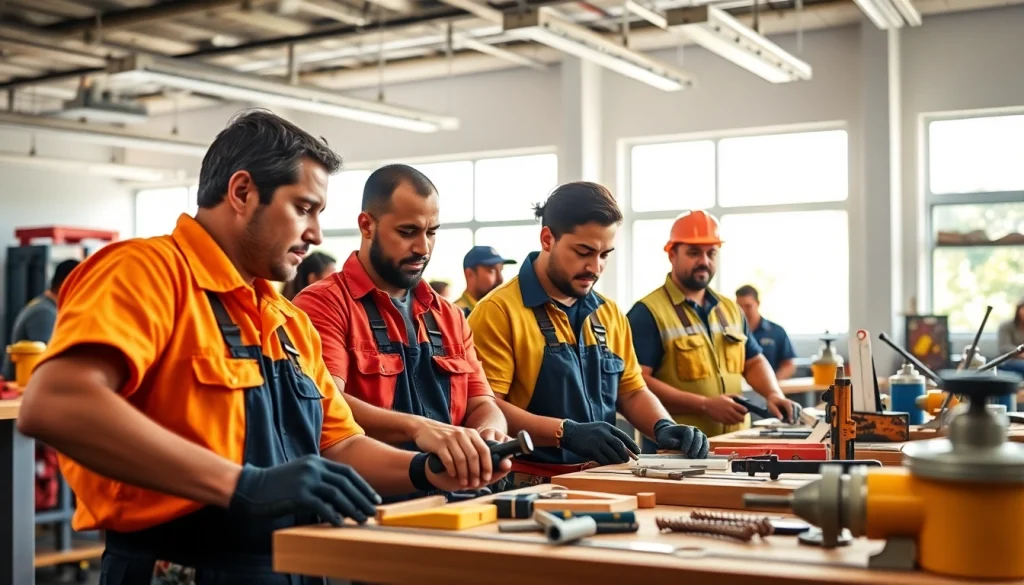
Understanding Trade Schools in Hawaii
Definition and Importance
Trade schools, also known as vocational or technical schools, are educational institutions that specialize in providing practical training for specific careers. These schools play a crucial role in vocational education, offering programs geared towards equipping students with the skills required in various trades. In Hawaii, trade schools are gaining prominence as the state recognizes the need for skilled labor in industries such as construction, healthcare, hospitality, and technology. Enrolling in trade schools in Hawaii allows individuals to pursue focused training that can lead to rewarding careers and contribute to the local economy.
Types of Programs Offered
Trade schools in Hawaii offer an impressive array of programs across diverse fields, catering to the specific needs of the local job market. Common programs include:
- Construction Trades: Programs such as carpentry, plumbing, and electrical work focus on hands-on training for in-demand trade skills.
- Healthcare: Schools offer courses in nursing, medical assisting, and healthcare administration, preparing students for essential roles in the medical field.
- Culinary Arts: As Hawaii is known for its rich culinary scene, many schools provide training in cooking, baking, and restaurant management.
- Information Technology: Programs in IT prepare students for careers in networking, cybersecurity, and computer programming.
- Cosmetology: Training in beauty and wellness encompasses hair styling, skincare, and nail technology.
Each program is designed to combine theoretical knowledge with practical experiences, fostering skill development that aligns with industry standards.
Benefits of Attending
Attending a trade school in Hawaii can provide numerous benefits for students. Some of these advantages include:
- Shorter Programs: Unlike traditional college degrees, trade school programs typically last one to two years, allowing students to enter the workforce more quickly.
- Affordable Tuition: Trade schools generally have lower tuition costs compared to four-year institutions, making education more accessible.
- Hands-On Training: Many programs emphasize hands-on learning, better preparing students for real-world applications in their chosen fields.
- Job Placement Assistance: Many trade schools offer job placement services to help graduates secure employment upon completion.
- Industry Connections: Schools often have partnerships with local businesses, facilitating internships and networking opportunities for students.
Choosing the Right Trade School
Accreditation and Reputation
When considering a trade school in Hawaii, it’s vital to ensure that the institution is accredited. Accreditation indicates that the school meets specific quality standards and that degrees and certifications will be recognized by employers.
Researching the school’s reputation is equally important. Reading reviews, speaking with previous students, and checking the school’s job placement rates can provide insights into the quality of education and the support that students receive.
Programs and Specializations
Potential students should evaluate the programs offered by trade schools and ensure they meet their career goals. Schools that specialize in particular fields may provide superior training compared to those that offer a broad range of programs. Investigate the curriculum, faculty qualifications, and industry links to gain a comprehensive understanding of the training opportunities available.
Cost and Financial Aid Options
The cost of attending a trade school is a significant factor in choosing the right institution. Prospective students should review tuition rates, fees, and additional expenses such as materials and equipment.
Fortunately, many trade schools provide financial aid options, including scholarships, grants, and payment plans. Applicants should explore all financing avenues to minimize their financial burden while pursuing their education.
Skills and Careers: What to Expect
High-Demand Trades in Hawaii
Hawaii’s economy thrives on various industries, and trade skills are in high demand. Some of the most sought-after skills include:
- Construction Skills: With ongoing infrastructure developments, skills in carpentry, electrical installation, and plumbing are crucial.
- Healthcare Professions: As the population ages, there is a growing need for nurses, medical assistants, and other healthcare professionals.
- Hospitality and Culinary Skills: The tourism sector requires skilled chefs and service staff to maintain Hawaii’s reputation as a premier travel destination.
- Information Technology: With the rise of technology, IT skills related to networking and cybersecurity are increasingly important.
Career Pathways Post-Graduation
Graduates from trade schools often find themselves well-prepared for entry-level positions in their chosen fields. Many graduates advance quickly due to the high demand for skilled labor. Additionally, further certifications or continued education can expand career options and increase earning potential.
Job Placement and Support Services
Most trade schools offer job placement services to assist graduates in finding employment. These services may include resume workshops, interview preparation, and job fairs. Leveraging the connections established by the school can significantly enhance job prospects for new alumni.
Success Stories from Trade School Graduates
Notable Alumni and Their Achievements
Many graduates of trade schools in Hawaii have gone on to achieve great success in their respective fields. By developing specialized skills, they often enter the workforce at competitive wages and build fulfilling careers.
Industry Collaborations and Partnerships
Many trade schools partner with local businesses and industries to offer real-world training experiences. These collaborations enhance curriculum relevance, ensuring students are prepared for the demands of the job market before they graduate.
Real-World Applications of Skills Learned
Students engage in hands-on training that mimics real-world job settings. For instance, culinary students may operate real kitchens, while healthcare students perform clinical rotations in hospitals. This practical exposure builds confidence and readiness for professional challenges.
Frequently Asked Questions
What are the costs associated with trade schools in Hawaii?
Costs vary by institution and program but typically range from $5,000 to $20,000 per year, depending on the school’s resources and services offered.
How long do programs typically last?
Most trade school programs last between 1 and 2 years, with some offering accelerated options that allow students to complete training in less time.
What kind of certifications can I earn?
Students can earn various certifications, including state licensure in fields like cosmetology and medical assisting, alongside trade-specific credentials.
Do trade schools offer job placement services?
Yes, many trade schools provide job placement services to support graduates in securing employment through resume assistance and networking opportunities.
Can I attend part-time or online?
Several trade schools offer part-time and online programs to accommodate students’ schedules, allowing for flexibility in pursuing education while working.