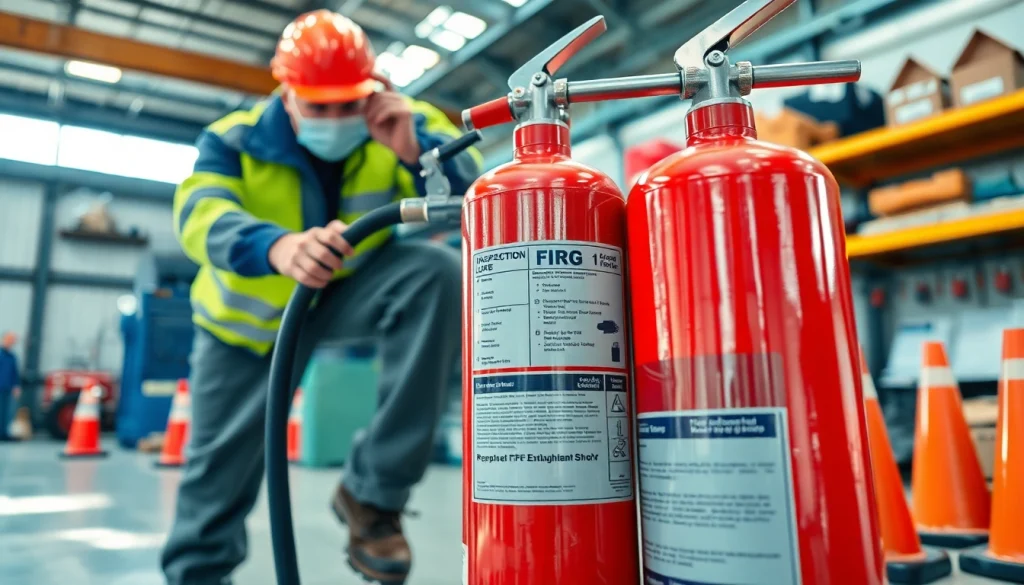
Understanding the Importance of Fire Extinguishers
Fire extinguishers play a crucial role in ensuring the safety and well-being of individuals in a variety of environments, from homes to workplaces. In emergencies, these devices can mean the difference between a small, manageable fire and a catastrophic blaze that can lead to significant property damage or loss of life. Understanding how to use a fire extinguisher effectively, including the pass fire extinguisher method, is essential for everyone.
What is a Fire Extinguisher?
A fire extinguisher is an active fire protection device designed to extinguish or control small fires, often in emergency situations. It typically consists of a cylindrical pressure vessel that contains an extinguishing agent. When the extinguisher is activated, it releases the agent to suppress the fire. Fire extinguishers are classified based on their extinguishing properties, which include combustibles, flammable liquids, electrical fires, and more. Understanding these classifications helps in selecting the right extinguisher for different types of fires.
Types of Fire Extinguishers
Fire extinguishers can be categorized into several types based on the class of fire they are intended to combat:
- Class A: For ordinary combustible materials like wood, paper, and cloth.
- Class B: For flammable liquids such as gasoline, oils, and solvents.
- Class C: For electrical fires involving equipment or wiring.
- Class D: For combustible metals, typically found in workshops or manufacturing settings.
- Class K: For kitchen fires, particularly those involving cooking oils and fats.
Each extinguisher type has a different agent—water, foam, CO2, powder, or wet chemical—that is specifically designed to address the fire’s unique behavior. Identifying the correct type ensures effective firefighting without causing further danger.
Fire Extinguisher Regulations and Standards
Fire safety regulations vary by region and are often governed by standards set forth by organizations such as the National Fire Protection Association (NFPA) in the United States and similar entities worldwide. These regulations dictate where extinguishers should be located, the types required for specific settings, and how frequently they need to be inspected. Compliance with these standards is not only critical for safety but also essential for legal and insurance purposes.
How to Properly Use a Fire Extinguisher
Knowing how to use a fire extinguisher can save lives and property. Proper usage can prevent small fires from escalating into large disasters. This requires training and knowledge of the specific methods that apply to fire extinguishers.
The PASS Technique Explained
The PASS technique is a widely recognized method for using fire extinguishers effectively:
- Pull: Pull the pin on the extinguisher. This will break the tamper seal.
- Aim: Aim the nozzle or hose at the base of the fire.
- Squeeze: Squeeze the handle slowly to release the extinguishing agent.
- Sweep: Sweep the nozzle side to side at the base of the fire until it appears to be out.
Practicing the PASS method can empower individuals, enabling them to take quick action in emergencies.
When to Use a Fire Extinguisher
Not every situation calls for the use of a fire extinguisher. It’s essential to recognize when it’s safe to use one. Factors to consider include:
- Is the fire small and contained?
- Am I standing in a safe location with a clear escape route?
- Is the fire of a type that my extinguisher can handle?
If any of these points are not favorable, evacuating the area and calling emergency services is the safest course of action.
Common Mistakes to Avoid
Even with knowledge of the PASS technique, individuals can make critical mistakes when using a fire extinguisher. Common blunders include:
- Using the extinguisher on the flames rather than at the base of the fire.
- Positioning themselves too close to the fire.
- Not releasing the handle to allow for more control over the extinguishing agent.
- Failing to ensure they have a safe exit route while attempting to extinguish the fire.
Awareness of these mistakes can enhance the effectiveness of fire extinguishers and increase safety during a fire emergency.
Regular Inspections: Keeping Your Fire Extinguishers Up to Code
Regular inspections of fire extinguishers are critical for ensuring functionality when emergencies arise. Understanding the inspection process can help maintain compliance and bolster safety within environments where fire hazards exist.
Inspection Frequency Guidelines
Fire extinguishers should undergo inspections at different intervals:
- Monthly Inspections: Conduct a visual check to ensure the extinguisher is accessible, visible, and in good condition.
- Annual Maintenance: Have a qualified technician conduct a thorough inspection according to the manufacturer’s guidelines.
Documenting these inspections is essential for compliance and safety management.
What to Check During Inspections
When performing inspections, certain key elements should be examined:
- Ensure the extinguisher is fully charged and the gauge indicates an adequate level.
- Check for visible signs of damage, rust, or corrosion.
- Make sure the safety pin and tamper seal are intact.
- Verify the inspection tag is current and signed.
Regular checks are vital for identifying issues before they can become critical problems.
Documenting Inspection Results
Documenting the results of fire extinguisher inspections is crucial for maintaining compliance and safety standards. This includes:
- Recording the date of inspection.
- Noting any deficiencies or repairs needed.
- Filing this information for future reference in safety audits.
Proper record-keeping also demonstrates organizational commitment to fire safety and can greatly aid emergency response planning.
Training Staff on Fire Safety and Extinguisher Use
Comprehensive training programs on fire safety and fire extinguisher usage are vital in promoting a proactive safety culture within organizations. These programs ensure that employees are well-prepared to handle fire emergencies.
Creating a Safety Training Program
An effective safety training program is essential for equipping staff with the knowledge required to react appropriately in fire situations. The program should include:
- A clear outline of fire hazards present in the workplace.
- Instruction on the proper use of fire extinguishers, including the PASS technique.
- Information on fire exits and evacuation procedures.
Regular meetings and refresher courses help keep fire safety top-of-mind among employees.
Conducting Fire Drills with Extinguisher Practice
Fire drills are an important component of a successful fire safety program. They should be conducted regularly, integrating fire extinguisher practice within the drills. This methodology enhances preparedness and ensures employees are comfortable using extinguishers if necessary. Evaluating the effectiveness of these drills can help refine response protocols and training techniques.
Assessing Staff Competence Regularly
Regular assessments of staff competence regarding fire safety and extinguisher use are vital to maintaining a high level of preparedness. These assessments can include:
- Written tests to evaluate knowledge of fire safety principles.
- Practical demonstrations to gauge operability with extinguishers.
- Feedback sessions to discuss improvements and concerns.
Continuously evaluating staff brings to light potential areas for further training and ensures everyone remains knowledgeable and ready to respond in emergencies.
Maintaining Fire Extinguishers for Longevity
Maintenance of fire extinguishers is integral to their longevity and efficacy. Proper care ensures these safety devices are functional and reliable whenever they are needed.
Proper Storage of Fire Extinguishers
Fire extinguishers should be stored in easily accessible locations that are clearly marked and free from obstructions. Important factors include:
- Mounting extinguishers on wall brackets where they will not be damaged or knocked over.
- Storing extinguishers at appropriate heights so that all users can reach them easily.
- Keeping clear signage visible to indicate extinguisher locations.
Proper storage encourages prompt access during an emergency, promoting safe usage.
Signs That Your Fire Extinguisher Needs Maintenance
Noticing maintenance issues early can prevent malfunction during critical moments. Individuals should keep an eye out for these warning signs:
- Discrepancies on the pressure gauge.
- Physical damage, including dents or corrosion.
- Expired service dates or tags.
- Missing safety pin or tamper seal.
Regular checks help catch these issues before they escalate, ensuring reliability.
How to Replace or Refill Fire Extinguishers
Extinguishers can lose charge over time or expire, necessitating replacement or refill. The process should always involve a certified professional to ensure compliance with safety standards. Key steps include:
- Understanding manufacturer guidelines regarding the lifespan of the extinguisher.
- Identifying the correct type of extinguisher for replacement or refill.
- Choosing a reputable service provider to perform refills and maintenance.
Keeping extinguishers in operational condition involves timely actions, maintaining safety at all times.