
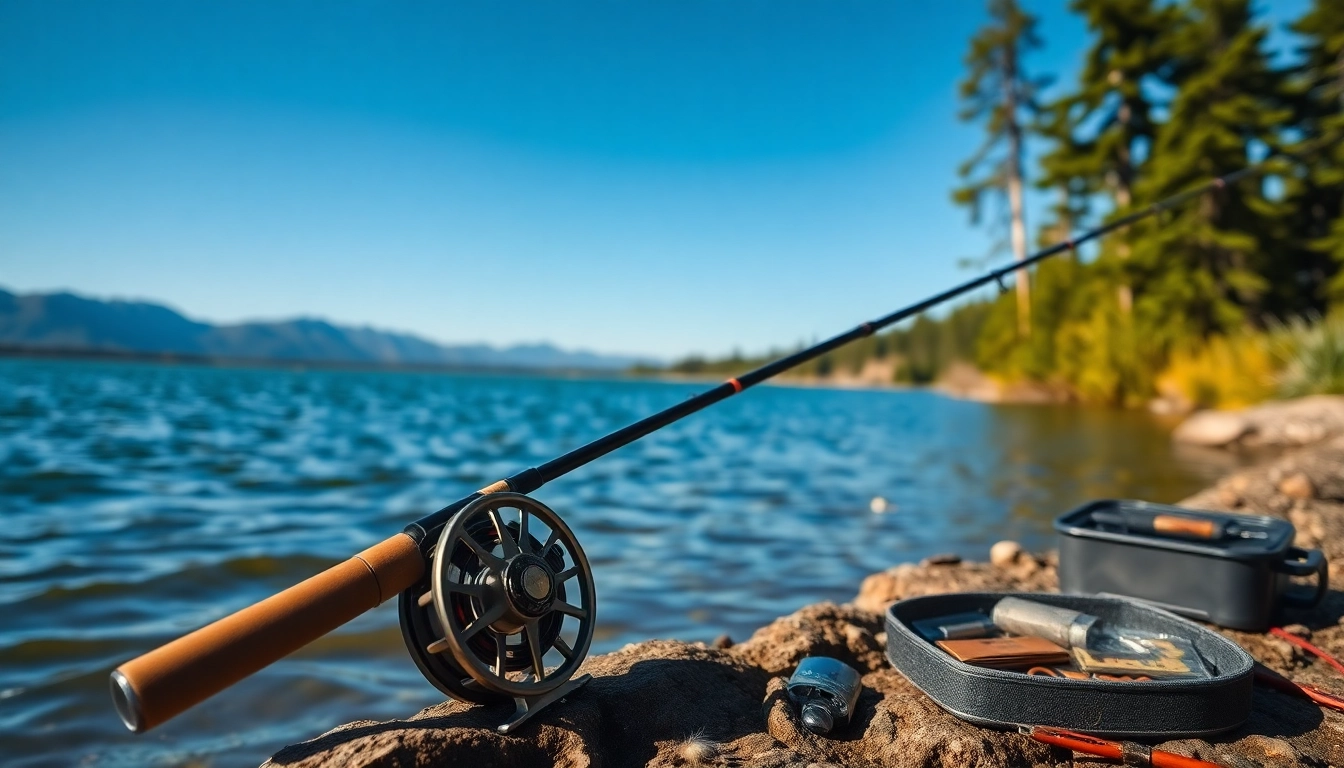
Understanding Fly Fishing Combos
Fly fishing is an engaging and rewarding outdoor activity that combines the art of casting with the thrill of catching fish. For those new to the sport or seasoned anglers looking to simplify their gear selections, understanding the fly fishing combo is essential. A fly fishing combo typically includes a rod, reel, line, and sometimes additional accessories. This holistic setup simplifies the learning curve for beginners and presents a well-matched package that enhances the fishing experience for everyone.
What Is a Fly Fishing Combo?
A fly fishing combo refers to a complete set of fishing equipment tailored for fly fishing. These sets typically include a fly rod, a fly reel, and fly line, packaged to work harmoniously together. The fly rod is designed to launch lightweight flies or lures, while the reel secures the line used to catch fish. Combos are available in various sizes and configurations, catering to different styles and skill levels.
Benefits of Using a Fly Fishing Combo
Opting for a fly fishing combo offers several benefits:
- Simplicity: Combos are designed to be user-friendly, especially for beginners who may not know how to select separate components that work well together.
- Cost-Effective: Purchasing a combo often provides better value than buying items individually, as manufacturers package them at a lower total price.
- Perfect Balance: When you purchase a combo, all pieces are matched for optimal performance, ensuring the rod, reel, and line complement each other during use.
- Time-Saving: Instead of spending time researching each component, you can dive right into learning and enjoying your fishing experience.
Key Components of a Fly Fishing Combo
Understanding the components of a fly fishing combo is crucial for any angler. Here are the key elements:
- Fly Rod: The fly rod is typically made of various materials like graphite or fiberglass, with varying lengths and weights, suited for different fishing conditions.
- Fly Reel: The reel allows for easy retrieval of the line and provides drag to manage fish resistance.
- Fly Line: This heavier line is designed to cast the lightweight flies. Its density, taper, and weight classifications are selected based on fishing environments.
- Backing: A type of fishing line that connects the fly line to the reel, providing additional line length when needed.
- Leader and Tippet: These sections of line connect the fly to the main line and are vital for presenting the fly properly to the fish.
Types of Fly Fishing Combos
Beginner Fly Fishing Combos
Beginner combos are specifically crafted to cater to novices and usually come with the essential gear to get started. These combos are affordable, user-friendly, and often include instructional materials.
Example: A beginner combo might feature a 9-foot, 5-weight rod with a lightweight reel, suitable for various freshwater scenarios. Many brands today also offer these combos with instructional guides or videos, which can be a game-changer for the truly inexperienced angler.
Intermediate Fly Fishing Combos
For anglers who have a bit more experience under their belts, intermediate fly fishing combos offer enhanced performance features. These sets typically include specialized rods and reels that allow users to explore specific techniques, such as nymphing or streamers.
Example: An intermediate combo may feature a rod that is both lightweight and strong, allowing for more delicate presentations and longer casts. These come with upgraded reels designed to handle larger fish and provide better drag components.
Advanced Fly Fishing Combos
Advanced fly fishing combos are crafted for anglers who demand high performance and precision in their gear. These combos usually include custom-fit rods and high-quality reels optimized for specific environments and targeted species.
Example: An advanced combo might consist of a 10-foot, 4-weight rod designed for euro nymphing or specific saltwater setups. Here, the gear transitions into high-tech materials and designs that enhance performance.
Choosing the Right Fly Fishing Combo for Your Needs
Factors to Consider When Buying a Fly Fishing Combo
Selecting the right fly fishing combo is crucial. Several factors come into play:
- Skill Level: Your experience level will dictate the appropriate weight and type of gear.
- Target Species: Consider the type and size of fish you aim to catch, as this will inform your choice of rod weight and length.
- Environment: Freshwater vs. saltwater, rivers vs. lakes – each environment demands different gear specifications.
- Budget: Know your price range but be wary of compromising on quality just to save money.
Best Practices for Selection
Once you comprehend the fundamental factors, follow these best practices:
- Test before you buy: If possible, go to a sporting goods store where you can handle the gear.
- Research: Check reviews and online forums to gauge the performance and durability of combos.
- Ask for recommendations: Engage with local anglers or instructors who can provide insights based on firsthand experience.
- Consider future growth: Opt for equipment that can grow with your skills rather than purely beginner sets.
Comparing Popular Fly Fishing Combos
When comparing popular fly fishing combos, consider aspects such as rod action (fast vs. slow), material quality, reel’s drag system, and warranty options. Notable combos include:
- Redington Crosswater Combo: A fantastic starter kit for beginners providing excellent value.
- Orvis Clearwater Fly Rod Outfit: Known for its durability and performance, suitable for slightly advanced anglers.
- Echo Base Combo: An accessible option that balances quality with affordability.
Maintaining Your Fly Fishing Combo
Cleaning and Caring for Your Gear
Proper maintenance of your fly fishing combo is essential to ensure longevity and optimal performance. Regular cleaning is vital, especially after each fishing trip. Follow these steps:
- Rinse your rod and reel with clean water to remove any slime, grit, or salt.
- Wipe down the rod and reel with a soft cloth to prevent corrosion.
- Check line for frays or wear and replace it if needed.
- Store your flies in a dry box to avoid rusting.
Storing Your Fly Fishing Combo
Correct storage extends the life of your combo. Always disassemble your rod and reel when storing. Store them in a protective case or rod tube to keep them safe from physical damage. Ensure your line is loosely wound on the reel to prevent twists or tangles.
Common Issues and Solutions
Knowing common maintenance problems can save you time and hassle:
- Problem: Line tangles during casting.
Solution: Use high-quality backing and store your line properly to minimize tangling. - Problem: Rod guides become clogged.
Solution: Regularly clean rod guides with a soft brush. - Problem: Reel drag is not functioning.
Solution: Check for debris and clean accordingly. Adjust the drag tension to ensure it is working correctly.
Enhancing Your Fly Fishing Experience
Upgrades for Your Fly Fishing Combo
In addition to selecting the right combo, consider potential upgrades to enhance your fishing experience:
- Fly Selection: Diversifying your fly patterns can improve your success rates.
- Upgrading Line: Higher quality lines can enhance casting distance and accuracy.
- Accessories: Consider adding accessories like line nippers, forceps, or a tackle bag to your setup.
Techniques to Maximize Effectiveness
Your casting technique significantly affects your overall fishing success. Review the following techniques:
- Practice Casting: Regularly work on your casting to improve accuracy and distance.
- Drift Techniques: Understand how to read the water and present your flies in the “feeding lane” of fish.
- Adjusting Weight: Experiment with different tippets and lead to find the perfect setup for varying conditions.
Connecting with the Fly Fishing Community
Building relationships within the fly fishing community can enrich your experience. Consider attending local fishing clubs, workshops, or online forums. Learning from seasoned anglers and sharing experiences fosters a supportive environment and deepens your understanding of the sport.


