
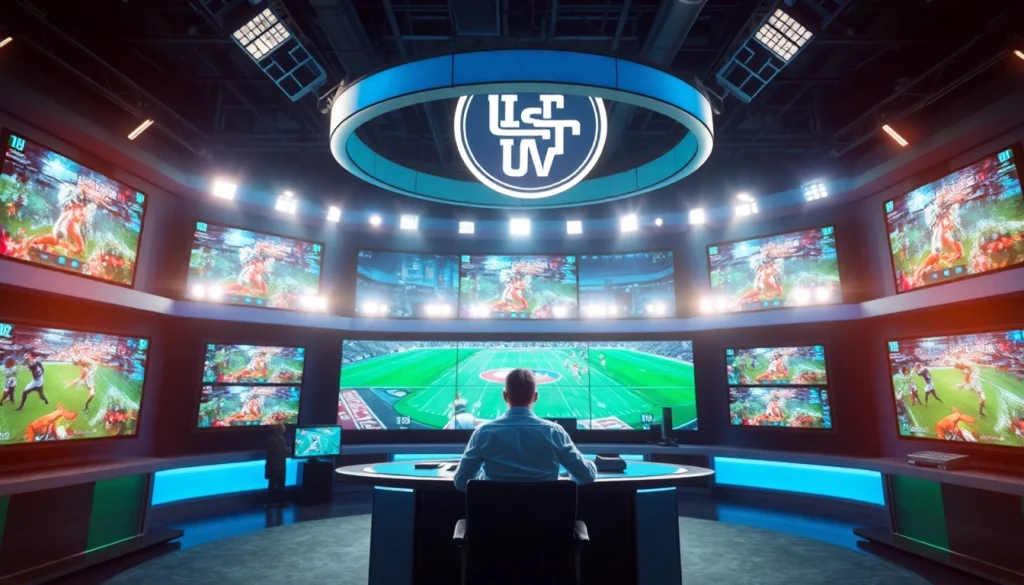
Understanding Sports Broadcasting
What is Sports Broadcasting?
Sports broadcasting refers to the transmission of sports events through various media channels, including television, radio, and online platforms. This form of media provides fans with real-time experience of their favorite sports, complete with commentary, highlights, and expert analysis. The goal of sports broadcasting is to deliver not just the game, but the excitement, drama, and culture surrounding sporting events. It has evolved significantly over the years, shaped by changes in technology, consumer behavior, and market dynamics. For an in-depth look at issues and trends in Sports Broadcasting, you can explore resources available at Sports Broadcasting.
The Evolution of Sports Broadcasting
The journey of sports broadcasting began over a century ago, transforming from simple radio broadcasts to the rich, multimedia experiences we see today. Early radio broadcasts in the 1920s allowed fans to listen to games from home, significantly enhancing the accessibility of sports. The 1950s ushered in television, further revolutionizing how audiences consumed sports. The addition of color broadcasting in the 1960s added vibrancy to games and further captivated audiences.
In the late 20th and early 21st centuries, the growth of cable television added more channels dedicated to sports, providing diverse viewing options. The internet era brought about live streaming—transforming sports broadcasting by allowing fans to watch their favorite teams on-the-go through mobile devices. This trajectory of growth reflects not only advancements in technology but also changes in viewer habits and preferences.
Key Players in Sports Broadcasting
The sports broadcasting landscape features several key players, including broadcasting networks, production companies, and streaming services. Traditional networks like NBC and CBS have been at the forefront for decades, securing rights to major events. Meanwhile, companies such as ESPN have specialized in sports and large-scale coverage.
With the rise of online platforms, new players like Amazon Prime and Hulu have entered the scene, shifting the dynamics of sports broadcasting. Additionally, social media platforms like Twitter and Facebook are increasingly becoming significant players by offering live-streaming options and apps, thereby changing how audiences engage with sports content.
Different Platforms of Sports Broadcasting
Traditional Television vs. Online Streaming
Traditional television broadcasting has long been the primary means through which audiences consume sports. However, the emergence of online streaming platforms has disrupted this model, offering viewers flexibility and multiple viewing options, often without the need for cable subscriptions. Services like YouTube TV and fuboTV provide access to live sports while catering to a younger audience inclined toward on-demand content.
Online streaming enables innovations such as instant replays, multiple camera angles, and multi-sport coverage, allowing viewers to customize their viewing experience. This has consequences beyond mere consumer convenience; it compels traditional broadcasters to adapt to keep pace with the competition. This tug-of-war between traditional TV and online platforms shapes the present and future of sports broadcasting.
The Rise of Mobile Sports Broadcasting
As smartphone penetration grows, mobile sports broadcasting has emerged as a critical component of the sports media landscape. Mobile applications from dedicated sports networks and leagues deliver real-time updates, live game coverage, player statistics, and highlights. This accessibility allows fans to engage with their favorite sports regardless of their location.
Mobile broadcasting also opens up new opportunities, such as location-based services that enhance the fan experience during live events, integrating augmented reality features for real-time stats and player information directly on their devices. As 5G technology rolls out, the quality and speed of mobile broadcasting will likely improve exponentially, enabling even more engaging and dynamic experiences for users.
Social Media’s Impact on Sports Broadcasting
Social media platforms have reshaped how sports content is shared and consumed. They serve as powerful avenues for engagement, offering fans a chance to participate in discussions, share opinions, and witness real-time updates. Platforms like Twitter are invaluable for sports broadcasting; they provide fans with live commentary and updates, and allow them to interact directly with commentators and fellow fans.
Moreover, social media is a robust marketing tool for sports organizations, allowing them to reach target demographics more effectively. Viral content, such as highlight reels or interviews, frequently circulates on platforms like Instagram and TikTok, helping organizations tap into new audience segments and create lasting relationships with fans.
Technologies Driving Sports Broadcasting
High-Definition and 4K Broadcasting
The advent of High-Definition (HD) and 4K broadcasting has significantly enhanced viewer experience in sports. HD provides clearer images and sound, enabling fans to catch even the smallest details of a game, while 4K—offering four times the resolution of HD—adds a new dimension, immersing viewers deeper into the action.
These technological improvements also create new challenges for broadcasters, who must invest in updated equipment and infrastructure, including cameras and broadcasting vans capable of delivering such high-quality content. However, the payoff is substantial, as high-quality visuals can attract more viewers and thus higher revenues from advertising and subscriptions.
Virtual and Augmented Reality in Sports
Virtual Reality (VR) and Augmented Reality (AR) technologies are at the forefront of innovation in sports broadcasting. VR can create entirely immersive experiences, allowing fans to feel as if they are in the stadium, even when watching from home. For instance, VR can give fans front-row experiences at significant sporting events without the associated costs.
Augmented Reality, on the other hand, enhances the viewing experience by overlaying digital information onto the physical world. Broadcasters can use AR for interactive graphics, statistics, and animations that explain gameplay in real-time. These technologies enrich viewer engagement and transform passive watching into an interactive experience.
Analytics and Data Usage in Broadcasting
Data analytics is becoming increasingly vital in sports broadcasting. Networks utilize viewer data to tailor content, optimize ad placement, and enhance overall viewer experience. For example, real-time analytics help networks predict viewer engagement, allowing them to highlight top players and pivotal game moments more effectively.
Moreover, data-driven insights empower commentators and analysts to provide richer narratives during games, thus enhancing the educational value of broadcasts. The implementation of advanced player metrics and predictive analytics enables a deeper understanding of game dynamics, thereby engaging audiences more thoroughly.
Best Practices for Effective Sports Broadcasting
Engaging Your Audience in Real-Time
Interactivity is crucial for engaging sports broadcasters. Real-time engagement through social media platforms enhances viewer experience, allowing sports fans to share their opinions, engage in live polls, and partake in commentary. This two-way communication fosters a sense of community and keeps audiences invested throughout the event.
Utilizing features like live Q&As, behind-the-scenes content, and instant polls can further engage audiences. Leveraging technology like mobile apps and web interfaces during live broadcasts provides additional touchpoints for audience engagement.
Creating Compelling Content for Sports Fans
Content is king in sports broadcasting. To maintain viewer interest, broadcasters must produce compelling content that resonates with sports fans. This includes in-depth pre-game analyses, player interviews, and interactive segments that allow fans to participate in shaping the narrative of a game.
Innovative storytelling, combined with immersive visuals, makes for content that not only entertains but also informs. By focusing on the human elements of sports—athletes’ backgrounds, struggles, and achievements—broadcasters can build emotional connections with their audience.
Effective Use of Commentary and Analysis
Commentary is one of the most essential elements of sports broadcasting, providing context and enhancing viewer understanding. Effective commentators bring in-depth knowledge, engage in storytelling, and help viewers interpret the dynamics of the game.
Training for commentators should include not just sports knowledge but also media skills, including voice modulation, pacing, and audience engagement techniques. Feedback mechanisms can help commentators constantly improve and adapt to viewer preferences, making their contributions more relevant and impactful.
The Future of Sports Broadcasting
Emerging Trends in Sports Broadcasting
As the sports broadcasting landscape continues to evolve, emerging trends like personalized content delivery, interactive broadcasting, and the use of AI-driven analytics are becoming prominent. Personalization allows viewers to curate their content experiences based on preferences, significantly enhancing engagement and satisfaction.
Additionally, the integration of Artificial Intelligence can influence game commentary, providing real-time statistical analysis and enhancing insights that enrich viewer understanding during live broadcasts.
Challenges Facing the Industry
Despite tremendous growth, the sports broadcasting industry faces numerous challenges. These include content rights disputes, evolving viewer habits skewing towards on-demand content, and the need for continual technological adaptation. Rising costs of broadcasting rights can also limit access for smaller entities wishing to enter the market.
Furthermore, competition from international players and the potential of emerging platforms may threaten established broadcasters as they need to remain agile in their strategies to retain viewer loyalty.
Opportunities for Growth and Innovation
While challenges exist, the future of sports broadcasting also holds vast opportunities for innovation. The shift towards digital platforms presents new avenues for content creation and distribution. Additionally, collaborations with tech firms can enhance broadcasting capacities through groundbreaking technologies like augmented and virtual reality.
By leveraging data analytics, broadcasters can refine their strategies to meet the changing needs of viewers, ensuring sustained growth in this dynamic industry. Continuous innovation in storytelling methods, enhanced viewer engagement features, and personalized content will be pivotal in shaping the future of sports broadcasting.
FAQs about Sports Broadcasting
What is considered sports broadcasting?
Sports broadcasting encompasses the transmission of live sports events through media, including television, radio, and online platforms, providing audiences with real-time coverage and analysis.
How has technology impacted sports broadcasting?
Technology has transformed sports broadcasting by enabling high-definition and 4K viewing, interactive content, mobile access, and the integration of AR and VR for immersive experiences.
What are the major sports broadcasting platforms?
Major sports broadcasting platforms include traditional television networks, cable channels, online streaming services, and social media platforms that provide live sports coverage.
How do analytics benefit sports broadcasting?
Analytics enhance sports broadcasting by providing insights into viewer behavior, optimizing content delivery, and enriching commentary with real-time statistics and trends.
What future trends should we expect in sports broadcasting?
Future trends in sports broadcasting include personalized content delivery, the use of AI for enhanced analysis and commentary, interactive features, and a focus on mobile engagement.