
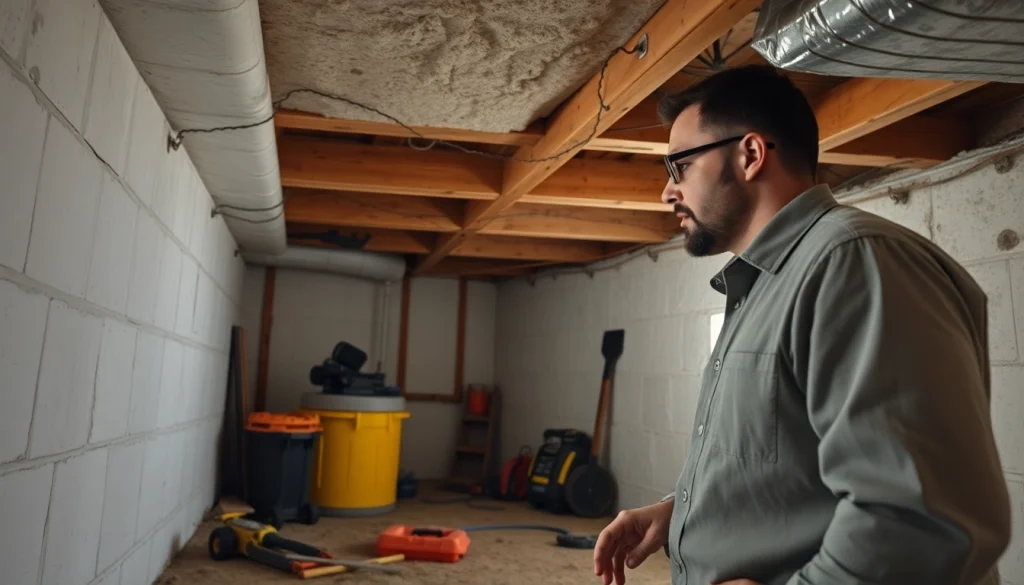
Understanding Crawl Space Restoration
What is Crawl Space Restoration?
Crawl space restoration refers to the process of repairing, upgrading, or revitalizing the often overlooked space between the ground and the first floor of a house. This area can accumulate a variety of issues such as moisture, mold, and structural damage over time. Addressing these problems is crucial for the overall health and safety of the home. Actions taken during this restoration process can include waterproofing, mold remediation, and improving ventilation to create a healthier living environment. Effective Crawl Space Restoration is essential for preserving the structural integrity of a home, protecting it from pests, and enhancing indoor air quality.
Why is Crawl Space Restoration Important?
The crawl space often goes unnoticed but plays a pivotal role in the stability and comfort of a home. When left unchecked, issues such as moisture buildup and pest infestation can lead to severe damage, including rot, mildew, or even the failure of foundational structures. Moreover, a damp crawl space can produce musty odors and poor indoor air quality that may affect the health of residents. Timely restoration ensures that the area remains dry, well-ventilated, and free from harmful substances, ultimately enhancing the value and longevity of the property.
Common Crawl Space Issues
Homeowners frequently encounter several common issues in their crawl spaces. These include moisture intrusion, which can lead to mold growth and structural damage; inadequate insulation, contributing to energy inefficiency; and pest infestations from termites, rodents, and other critters. Additionally, poor ventilation can cause stale air and humidity buildup, exacerbating existing problems. Identifying these issues early on is vital to implementing effective solutions that will safeguard the home’s integrity and improve living conditions.
Signs Your Crawl Space Needs Restoration
Visible Signs of Damage
One of the primary indicators that your crawl space requires restoration is the presence of visible damage. Homeowners should look for sagging floors, crumbling walls, or noticeable cracks in the foundation. These signs may suggest structural issues that could escalate if not addressed immediately. Regular inspections can help catch these early indicators, enabling timely intervention to prevent more extensive repairs down the line.
Humidity and Mold Indicators
Elevated humidity levels are a primary concern in crawl spaces, often resulting in mold growth. Signs to watch out for include condensation on walls or support beams, water stains, and a distinct musty smell. Mold thrives in humid conditions and can spread rapidly, posing health risks to residents such as respiratory issues. Implementing moisture control solutions can mitigate these risks and maintain a healthy environment.
Unusual Odors and Pest Infestations
Unpleasant or unusual odors emanating from the crawl space can signal significant problems, often linked to mold, moisture, or decaying materials. Additionally, signs of pest infestations, such as droppings or gnaw marks, should not be ignored. Infestations can compromise a home’s safety and structure, requiring prompt action and professional intervention to eliminate pests and prevent future occurrences.
Crawl Space Restoration Techniques
Moisture Control Solutions
Implementing effective moisture control solutions is crucial for successful crawl space restoration. These can include installing vapor barriers to prevent ground moisture from seeping into the home, utilizing sump pumps to manage water accumulation, and enhancing drainage systems to redirect water away from the foundation. Alongside these tactics, dehumidifiers can be employed to manage humidity levels and prevent mold growth. By managing moisture effectively, homeowners can protect their investment and improve air quality.
Insulation and Ventilation Improvements
Adequate insulation and ventilation are key components of a healthy crawl space. Poor insulation can lead to energy loss and increased heating and cooling costs. Improving insulation with materials such as closed-cell foam or fiberglass batts will not only improve energy efficiency but also contribute to a comfortable indoor environment. Additionally, ensuring proper ventilation—through vents or exhaust fans—helps maintain air circulation, reducing moisture levels and promoting overall health within the crawl space.
Structural Repairs and Reinforcements
Structural repairs and reinforcements are often necessary to maintain a sound foundation. This may involve replacing rotted wood, reinforcing beams, and ensuring that the crawl space is both structurally sound and capable of supporting the weight of the home. Barring significant issues, local structural engineers or restoration experts may be required to assess and carry out the necessary repairs effectively. Addressing these structural concerns promptly can save homeowners from significant repair costs in the long run.
Choosing the Right Professionals for Crawl Space Restoration
What to Look for in a Specialist
Selecting the right professional for crawl space restoration is crucial for achieving optimal results. Homeowners should seek out specialists with a proven track record, relevant certifications, and positive customer reviews. Comprehensive knowledge of local building codes and regulations is also essential to ensure the restoration is performed legally and effectively. Trustworthy contractors will conduct thorough assessments and provide detailed plans outlining the restoration process.
Questions to Ask Prospective Contractors
Before hiring a contractor, homeowners should ask specific questions to gauge their suitability. Key inquiries may include: What experience do you have with crawl space restoration? Can you provide references or case studies from previous clients? What kind of warranties or guarantees do you offer for your work? Having clear, open communication upfront can help build a strong working relationship and ensure project requirements are met satisfactorily.
Understanding Service Costs
The costs associated with crawl space restoration can vary widely based on the extent of restoration needed, the materials used, and local labor rates. An initial assessment can help identify necessary repairs and provide a cost estimate. Homeowners should also consider ongoing maintenance costs and potential energy savings due to improved insulation and ventilation when evaluating the overall investment. It’s advisable to obtain multiple quotes from contractors to compare services and prices effectively.
Maintenance Tips Post-Restoration
Regular Inspections to Ensure Longevity
After crawl space restoration, ongoing maintenance is crucial to ensure its long-term success. Homeowners should schedule regular inspections—at least once a year—to check for signs of moisture, pest activity, or structural issues. Conducting periodic assessments not only helps identify potential problems early but also enables homeowners to take corrective actions before more extensive damage occurs.
Implementing Effective Drainage Solutions
Effective drainage is vital for maintaining a dry crawl space and preventing moisture issues. Homeowners should consider installing or maintaining drainage systems such as gutters, downspouts, and French drains to divert water away from the foundation. Grading around the home should also slope away from the foundation to prevent water accumulation. By ensuring effective drainage, homeowners can reduce the risk of future damage and prolong the life of their crawl space restoration.
Keeping the Area Dry and Pest-Free
Maintaining a dry, pest-free environment in the crawl space requires ongoing vigilance. Homeowners should ensure that all entry points for pests are sealed and that any wood in the crawl space is treated for termite protection. Employing dehumidifiers can help manage moisture levels and prevent mold growth, while also fostering a healthier home environment. Regular cleaning—removing debris and inspecting for leaks—can further contribute to a safe and dry crawl space.
Frequently Asked Questions
What is the average cost of crawl space restoration?
The average cost varies based on the extent of damage and local labor rates, typically ranging from $1,500 to $15,000. A detailed assessment will provide a more accurate estimate based on specific needs.
How often should I inspect my crawl space?
It’s recommended to inspect your crawl space at least once a year. More frequent checks may be required in areas with high humidity or after severe weather events.
Can I perform crawl space restoration myself?
While some minor maintenance tasks can be done by homeowners, professional intervention is often necessary for extensive repairs to ensure safety and effectiveness.
How can I prevent mold in my crawl space?
Preventing mold involves controlling humidity, improving ventilation, and using mold-resistant materials. Regular inspections and quick repairs of leaks also play a critical role.
What are the signs of a pest infestation in the crawl space?
Signs include droppings, gnaw marks, nests, and unusual noises. Regular inspections can help catch infestations early before they cause significant damage.