
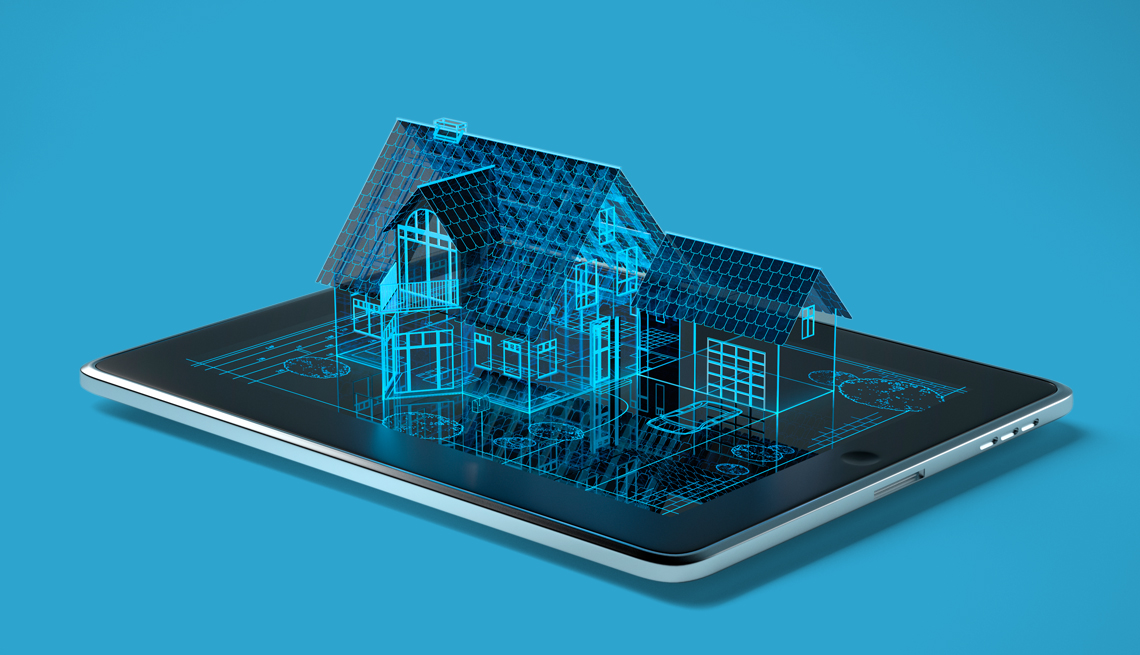
Ensuring your home is safe doesn’t always require expensive overhauls or complex systems. Often, small, strategic upgrades can dramatically improve your Home Security, providing better protection for your family and property while offering peace of mind. From reinforcing entry points to integrating smart technology, modern homeowners have numerous options to enhance security without significant disruption or cost. This guide explores simple home security upgrades that deliver significant protection gains, helping you create a safer and more resilient living environment.
- Understanding the Value of Strategic Upgrades
- Strengthening Doors and Entry Points
- Window Security Enhancements
- Alarm Systems and Monitoring
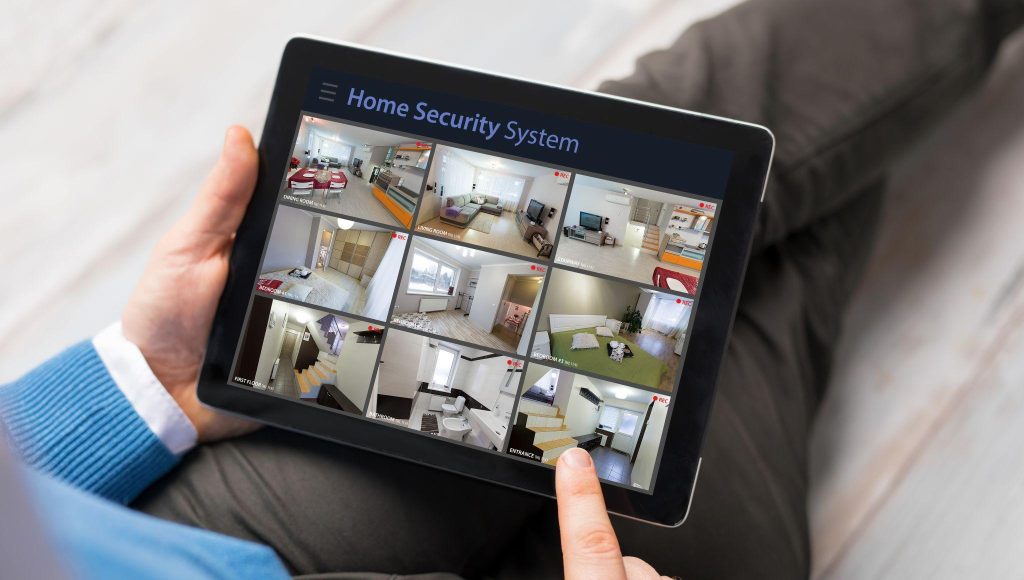
- Surveillance and Camera Upgrades
- Lighting as a Security Upgrade
- Integrating Smart Home Technology
- Environmental and Safety Sensor Upgrades
- Behavioral and Lifestyle Adjustments
- Maintenance and Ongoing Evaluation
- Psychological Benefits of Simple Upgrades
- Conclusion
- FAQs
Understanding the Value of Strategic Upgrades
Before investing in specific devices or solutions, it is important to understand how small upgrades can have a large impact.
Identifying High-Risk Areas
Every home has areas more vulnerable to intrusion, such as doors, windows, garages, and basements. By identifying these points, homeowners can prioritize upgrades that maximize protection with minimal effort. Targeted improvements are often more effective than widespread, indiscriminate changes.
Layered Security Approach
Effective home security combines multiple protective layers. Simple upgrades can enhance these layers, including physical barriers, monitoring systems, deterrents, and behavioral adjustments. The combination of multiple small improvements often results in a significant overall gain in protection.
Balancing Cost and Effectiveness
Not every security upgrade needs to be expensive. Many affordable solutions, such as reinforced locks or motion-activated lighting, provide high protection relative to their cost. Strategic investment ensures that resources are allocated efficiently while maximizing security benefits.
Strengthening Doors and Entry Points
Doors remain one of the most critical access points for intruders. Simple upgrades can make them much harder to breach.
Installing High-Quality Deadbolts
Replacing standard locks with reinforced deadbolts significantly increases resistance to forced entry. Even a basic deadbolt upgrade improves security substantially without requiring professional installation.
Reinforcing Door Frames and Hinges
A strong lock is only effective when paired with a reinforced door frame. Installing longer screws, metal strike plates, and hinge reinforcements can prevent forced entry and strengthen existing doors without major renovations.
Smart Locks and Keyless Entry
Upgrading to smart locks allows keyless entry, temporary access codes, and remote monitoring. This not only enhances security but also provides convenience, particularly for households with multiple occupants or frequent visitors.
Securing Sliding Doors
Sliding doors are often overlooked and vulnerable. Installing anti-lift devices, track locks, or security bars prevents forced entry while maintaining ease of use. These simple additions greatly reduce risk.
Window Security Enhancements
Windows are another common point of entry that can be strengthened with simple upgrades.
Reinforced Glass and Security Film
Installing laminated or tempered glass reduces the likelihood of break-ins. Security films can prevent glass from shattering, slowing down potential intruders and giving homeowners more time to respond.
Window Locks and Sensors
Upgrading to modern window locks or adding window sensors enhances protection. Sensors alert homeowners to attempts at forced entry, integrating seamlessly with alarm systems for immediate notification.
Window Bars and Grilles
For high-risk areas or ground-floor windows, removable or decorative bars provide an extra layer of protection. When chosen thoughtfully, they maintain aesthetics while enhancing safety.
Alarm Systems and Monitoring
Even simple alarm upgrades can have a major impact on home security.
Adding Door and Window Sensors
Installing additional sensors ensures that every point of entry is covered. Simple contact or vibration sensors trigger alarms and notifications when doors or windows are tampered with, enhancing overall security.
Enhancing Existing Alarms
Upgrading alarms to include louder sirens, flashing lights, or smartphone notifications improves response times. Even minor adjustments to volume and coverage can make a system far more effective.
Self-Monitoring vs Professional Monitoring
Homeowners can choose between professional monitoring or self-monitoring via mobile apps. Simple upgrades, such as adding remote monitoring capability, increase effectiveness without major changes to the existing system.
Surveillance and Camera Upgrades
Video surveillance acts as both a deterrent and a tool for evidence collection. Small upgrades can significantly enhance coverage.
Installing High-Definition Cameras
Replacing older cameras with high-definition models improves clarity and ensures that activity is captured accurately. Even one strategically placed camera can deter intruders and provide critical evidence.
Motion-Activated Cameras
Cameras with motion detection save storage space and alert homeowners to relevant events. Motion-triggered lights combined with cameras provide a strong deterrent effect.
Expanding Coverage with Additional Cameras
Adding cameras to vulnerable or blind spots increases overall security. Even inexpensive models can provide comprehensive coverage when integrated with existing systems.
Lighting as a Security Upgrade
Proper lighting is an affordable and highly effective deterrent.
Motion-Activated Exterior Lights
Lights triggered by movement make it difficult for intruders to approach unnoticed. These lights increase visibility and enhance the effectiveness of surveillance cameras.
Timers and Smart Lighting
Automated lighting schedules create the illusion of occupancy when the home is empty. Smart lighting allows remote control and can simulate normal activity patterns, deterring potential intruders.
Illuminating Pathways and Entrances
Ensuring that all pathways, doors, and dark corners are well-lit reduces hiding spots and improves overall safety. Strategic placement is often sufficient to address multiple vulnerabilities.
Integrating Smart Home Technology
Smart home integration allows simple upgrades to deliver maximum security impact.
Centralized Control Hubs
A hub consolidates monitoring of locks, cameras, lights, and alarms, providing a single interface for easy management. Centralization ensures coordinated responses and improves situational awareness.
Automated Responses
Smart systems can respond automatically to detected threats, such as turning on lights or activating alarms when motion is detected. Automation enhances deterrence and reduces reliance on human intervention.
Remote Monitoring and Notifications
Even a small upgrade that enables mobile alerts or remote camera access significantly improves security by allowing homeowners to react immediately to events, regardless of location.
Environmental and Safety Sensor Upgrades
Protecting against environmental hazards is an important component of home security.
Smoke, Fire, and Carbon Monoxide Detectors
Upgrading detectors to smart models ensures timely alerts and remote notifications. Integration with security systems can automatically trigger alarms and inform emergency services.
Water Leak and Flood Sensors
Installing sensors in vulnerable areas prevents costly damage from leaks or flooding. Early alerts allow homeowners to take immediate action, mitigating risks.
Gas Leak Detection
Simple sensor installations in kitchens, basements, or near appliances can detect leaks before they become dangerous, enhancing household safety.
Behavioral and Lifestyle Adjustments
Even minor behavioral changes can complement physical upgrades for substantial protection gains.
Establishing Security Routines
Regularly locking doors and windows, setting alarms, and checking surveillance devices reinforces security habits. Consistent routines reduce opportunities for intrusion.
Avoiding Predictable Patterns
Varying routines, such as leaving lights on at different times or scheduling deliveries unpredictably, reduces the likelihood of targeted break-ins.
Educating Household Members
All residents should understand how security systems operate and their role in maintaining safety. Informed occupants are critical for effective home security.
Maintenance and Ongoing Evaluation
Small upgrades are only effective if maintained properly.
Routine Device Checks
Regularly testing locks, alarms, sensors, and cameras ensures functionality. Addressing minor issues promptly prevents larger vulnerabilities from developing.
Software and Firmware Updates
Smart devices require updates to maintain security and performance. Automatic or manual updates protect against evolving threats.
Periodic Security Assessments
Reassessing the property periodically allows homeowners to identify new vulnerabilities, optimize device placement, and implement additional upgrades as needed.
Psychological Benefits of Simple Upgrades
Implementing straightforward security improvements provides more than physical protection.
Peace of Mind
Knowing that doors, windows, alarms, and cameras are properly upgraded reduces anxiety and provides confidence in the home’s safety.
Deterrence of Criminal Activity
Visible improvements, such as motion-activated lights, cameras, or reinforced doors, discourage potential intruders and reduce risk.
Empowerment and Control
Simple, actionable upgrades allow homeowners to feel proactive and in control, reinforcing a sense of security for the entire household.
Conclusion
Simple home security upgrades can deliver substantial protection gains without requiring expensive or complex installations. By strengthening doors and windows, enhancing alarms and cameras, integrating smart technology, improving lighting, and maintaining ongoing security practices, homeowners can create a safer environment efficiently and effectively. Layered improvements, combined with behavioral adjustments and regular maintenance, result in a comprehensive security system that protects both property and family members. Taking small, strategic steps today ensures long-term safety, peace of mind, and resilience against evolving threats. All categories and top stories are featured right on the homepage.
FAQs
What are the most impactful simple upgrades for home security?
The most impactful upgrades include reinforced locks, window locks and sensors, motion-activated lighting, smart locks, high-definition cameras, and smoke or environmental sensors. These measures provide significant protection gains with minimal disruption.
Can small upgrades really deter intruders effectively?
Yes. Visible deterrents such as cameras, lights, reinforced doors, and alarms significantly reduce the likelihood of attempted break-ins. Even inexpensive measures, when strategically implemented, enhance overall security.
How often should simple home security upgrades be reviewed or updated?
Home security upgrades should be reviewed at least annually or whenever there are changes in household routines, property layout, or emerging security risks. Regular evaluation ensures continued effectiveness and identifies opportunities for further improvements.