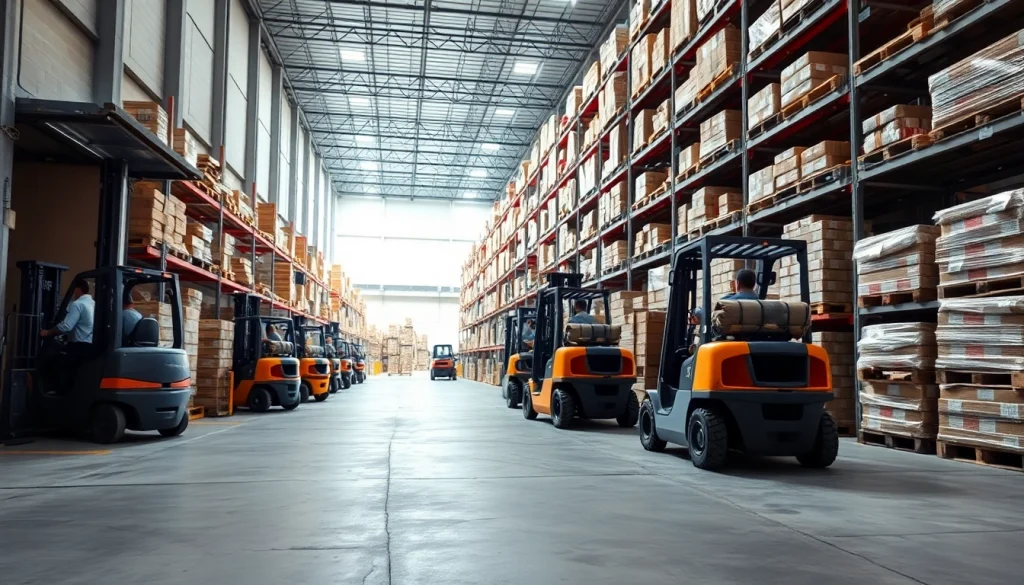
Understanding Warehouse Options Near Me
When it comes to running a business, having a suitable storage space can greatly affect efficiency and overall success. For many entrepreneurs and companies, the search for a warehouse near me is often the first step towards optimizing logistics and operations. This section will explore various warehouse types, the advantages of choosing local options, and the features that can make one warehouse stand out from another.
Types of Warehouses Available
Warehouse options are not one-size-fits-all; depending on your business needs, you may find yourself exploring multiple types of warehouses. Here are some notable categories:
- Public Warehouses: These are owned by third-party companies and rented out to various businesses. They typically offer flexible lease terms and are suitable for businesses that have fluctuating storage needs.
- Private Warehouses: Owned and operated by a company for its own storage needs, these warehouses generally offer long-term solutions and greater control over operations.
- Distribution Centers: These warehouses focus on the rapid distribution of goods and are equipped to handle inventory quickly. Ideal for businesses with high turnover rates.
- Climate-Controlled Warehouses: These spaces maintain specific temperatures and humidity levels, which is essential for storing sensitive goods like pharmaceuticals, food, or electronics.
- Flex Warehouses: Combining warehouse and office space, these are ideal for businesses that need a hybrid environment for logistics and administration.
Benefits of Local Warehouses
Choosing a warehouse located nearby brings several inherent advantages:
- Reduces Transportation Costs: Proximity to your warehouse minimizes the distance goods need to travel, thereby lowering shipping expenses.
- Speeds Up Distribution: With a local warehouse, you can expedite the delivery of products, enhancing customer satisfaction.
- Boosts Local Economy: Supporting local warehousing creates jobs and strengthens the community.
- Facilitates Quick Accessibility: Having your materials just around the corner allows for easy access whenever needed, thus enhancing operational efficiency.
Key Features to Consider
When evaluating warehouse options, several key features should be top of mind:
- Loading Dock Facilities: A good loading dock is essential for the smooth transfer of goods, impacting turnaround time.
- Security Systems: Features like surveillance cameras, gated access, and security personnel ensure the safety of your inventory.
- Scalability: Consider whether the facility can accommodate future growth, such as expanding inventory or shipping needs.
- Technology Integration: Modern warehouses often come equipped with advanced tracking systems and warehouse management software.
How to Choose a Warehouse Near Me
Choosing the right warehouse involves careful analysis and planning. Every business has unique requirements, and by understanding these needs, you can make an informed decision.
Assess Your Business Needs
Begin by assessing your requirements in relation to your specific business. Consider the following:
- Inventory Size: How much space do you need for your inventory? This will help in evaluating warehouse size.
- Type of Goods: What kind of items will you store? Some goods may require special conditions, which will influence your choice.
- Operational Needs: Identify if you require additional services such as packing, shipping, or inventory management.
Evaluating Location Factors
The location of your warehouse is critical. Beyond just being “nearby,” consider factors such as:
- Access to Transportation Links: Ensure that the warehouse has easy access to highways, ports, and railroads for streamlined logistics.
- Proximity to Suppliers and Customers: The closer you are to these entities, the more efficient your operation will be.
- Local Regulations: Be aware of zoning laws and any regulations that could affect operations.
Understanding Rental vs. Purchase
Deciding whether to rent or purchase a warehouse can substantially affect your financial planning:
- Rental: Renting a warehouse often requires a lower initial investment and flexibility. This option suits businesses looking for short- to medium-term solutions.
- Purchase: Buying a warehouse could be a significant investment, but it allows for complete control over the property. This might be suitable for larger, established businesses with stable long-term requirements.
Warehouse Services and Facilities
Beyond mere storage space, modern warehouses come equipped with various services that can enhance your operations. Understanding these services is key to leveraging your warehouse effectively.
Logistics and Transportation Services
Many warehouses today offer integrated logistics solutions that can simplify your supply chain management:
- Inbound Freight Management: Efficient handling of incoming goods might include scheduling shipments and managing arrival times.
- Inventory Storage and Management: This involves organized storage options and systems that track stock levels.
- Order Fulfillment Services: Many warehouses handle picking, packing, and shipping of orders, which can significantly streamline business operations.
Security and Safety Features
In an era where supply chain security is paramount, choosing a warehouse with robust safety features is crucial:
- Fire Safety Systems: Fire alarms and sprinklers can protect your assets from disasters.
- Access Control: Implementing strict access controls ensures only authorized personnel can enter, protecting against theft and loss.
- Health and Safety Training: Investigate if staff receives regular training to prevent accidents and ensure a safe working environment.
Technology Integration in Warehouses
Technology plays a key role in modern warehousing, enhancing efficiency and productivity:
- Warehouse Management Systems (WMS): These systems allow businesses to track inventory and manage warehouse operations efficiently.
- Automated Retrieval Systems: Robots and automated systems can optimize storage space and accelerate retrieval processes.
- Data Analytics: Utilizing data can help in making informed decisions regarding inventory levels, customer trends, and operational inefficiencies.
Cost Considerations When Looking for Warehouse Near Me
Understanding the financial implications of using a warehouse is critical for strategic planning. Cost can vary widely based on location, services offered, and other factors.
Average Prices in Different Areas
Warehouse pricing typically fluctuates according to region. Key factors influence these variations:
- Location Demand: High-demand locations near urban centers tend to have higher rental prices due to access to markets.
- Size and Facilities: Larger warehouses with advanced facilities generally cost more, but may save money if their efficiency outweighs their rental rates.
- Market Trends: Keep an eye on market conditions, as shifts in demand can lead to price changes.
Cost-Effective Rental Strategies
Identifying cost-effective rental strategies can significantly enhance your profitability:
- Negotiate Lease Terms: Don’t hesitate to negotiate rental terms to suit your budget and needs.
- Consider Shared Space Solutions: Finding partners or other businesses to co-rent a space can drastically cut costs.
- Evaluate Additional Services Offered: Opt for warehouses that provide bundled services, potentially saving you money on logistics and storage.
Budgeting for Warehouse Operations
Effective budgeting is vital and should encompass all costs associated with warehouse operations, including:
- Rental Costs: Consider all terms such as utilities and maintenance.
- Labor Costs: Factor in salaries, benefits, and training for warehouse staff.
- Equipment and Technology Investments: Budget for necessary machinery and updated technology to enhance warehouse efficiency.
Maximizing Efficiency in Your Warehouse Space
Optimizing space utilization in a warehouse is essential for maintaining productivity and minimizing costs. Here are actionable strategies you can implement.
Layout and Design Best Practices
The layout of your warehouse can have a significant influence on overall efficiency:
- Implement Flow Design: Ensure a natural flow of goods through the space, minimizing backtracking and congestion.
- Zoning: Designate specific areas for receiving, storage, and shipping to streamline operations.
- Vertical Space Utilization: Utilize vertical storage solutions such as shelving and racking systems to maximize floor space.
Inventory Management Tips
Effective inventory management is crucial for preventing stock-outs and overstock situations:
- Regular Audits: Conduct regular inventory audits to ensure accurate stock levels.
- Utilize Technology: Implement inventory management software to track stock levels and improve forecasting accuracy.
- Implement FIFO and LIFO Strategies: Depending on your product type, use first-in-first-out or last-in-first-out methods to manage stock turnover effectively.
Utilizing Technology for Efficiency
Incorporating technology into warehouse operations can lead to remarkable improvements:
- Automated Systems: Invest in automated picking and packing systems to speed up operations.
- Data Analytics: Use data analytics tools to identify trends and improve inventory management strategies.
- Mobile Technology: Implement mobile scanning and tracking solutions to enhance real-time visibility of inventory.