Understanding Structural Steel Construction
Definition and Key Components
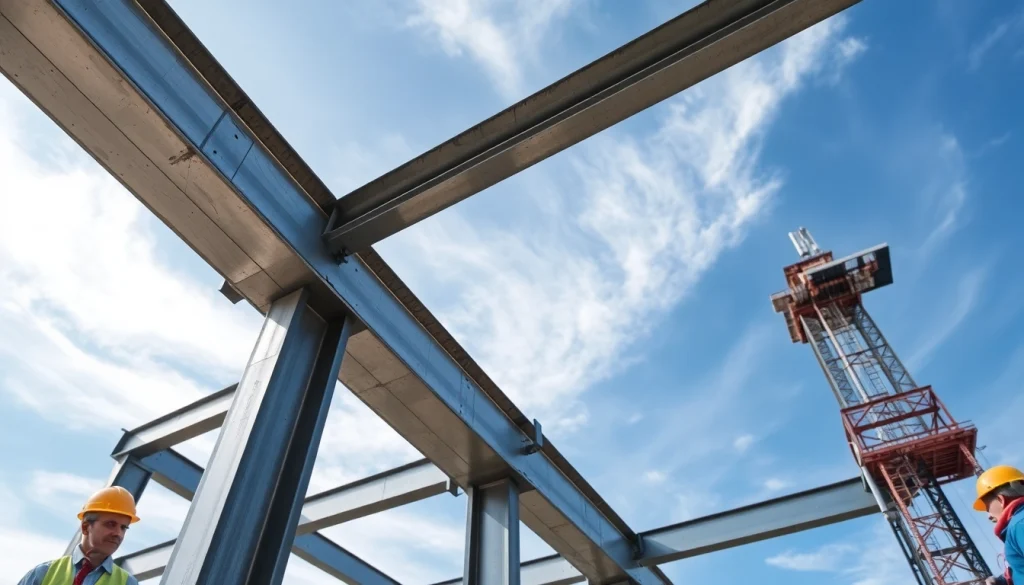
Structural steel construction refers to the framework built using steel as a primary material, providing strength and stability to buildings and various structures. It involves the assembly of steel sections and plates into forms that can withstand various loads and forces, ensuring the integrity and longevity of a construction project. Key components of structural steel include beams, columns, trusses, and braces—each playing a critical role in load distribution and structural integrity.
Benefits of Using Structural Steel
The use of structural steel in construction offers numerous benefits. First and foremost, steel is renowned for its high strength-to-weight ratio, allowing for lighter structures that can support substantial loads without excessive materials. This characteristic not only reduces construction costs but also enhances design flexibility, enabling architects to create more innovative and complex designs. Additionally, structural steel is highly durable, resistant to environmental conditions, pests, and fire, ensuring that structures built with it can last a lifetime while requiring minimal maintenance.
Another advantage is the speed of construction. Steel components can be prefabricated in factories, allowing for quick assembly on-site, significantly reducing overall construction time. Furthermore, steel is fully recyclable, contributing to sustainable building practices and minimizing waste, which is an increasingly critical consideration in today’s environmentally-conscious construction industry.
Common Applications in Construction
Structural steel is employed across a wide range of construction applications, from residential buildings to skyscrapers and bridges. Its versatility allows it to be used in frameworks for commercial spaces, warehouses, and even industrial facilities. In low-rise buildings, it typically forms the skeleton that supports the roof and exterior walls, while in high-rise scenarios, steel provides the necessary support to handle complex load requirements and high heights.
Designing Structures with Structural Steel
Engineering Principles to Follow
When designing structures with structural steel, engineers must adhere to established principles that ensure safety, durability, and functionality. Structural analysis should be performed to assess the loads that the structure will endure, including dead loads (permanent/static) and live loads (dynamic). Factors such as wind loading, seismic activity, and the potential for thermal expansion or contraction must also be taken into account to create a resilient design.
Architectural Considerations
Architectural design must complement the engineering elements of the structure. The aesthetics of steel can be highlighted through creative use of shapes and finishes, while functional considerations such as space optimization and natural light should be planned. Architectural considerations also include building codes, safety regulations, and environmental impact assessments, which all play a vital role in shaping the final design.
Innovative Design Techniques
Recent technological advancements have spurred innovative design techniques in structural steel construction. One such technique involves the use of software for Building Information Modeling (BIM), which enables architects and engineers to create accurate 3D models of their projects prior to physical construction. This allows for enhanced visualization, better collaboration, and the capability to simulate potential issues before they arise, ultimately leading to more efficient construction processes.
Construction Techniques for Structural Steel
Standard Fabrication Processes
The fabrication process for structural steel typically involves several standardized stages, including cutting, shaping, and welding. Steel beams and other components are often prefabricated to precision in controlled factory environments, ensuring high quality and consistency. After fabrication, steel components are transported to the construction site for assembly. Fasteners such as bolts and screws are commonly used to connect different pieces during this phase, securing the structural framework.
Modern Construction Methods
Modern construction methods leverage innovative equipment and techniques, such as modular construction and pre-assembled sections to expedite building processes. The use of cranes and robotic systems has enhanced efficiency, enabling quicker and more accurate placement of heavy steel components. Alongside these advancements, remote monitoring and project management software aid in tracking progress and ensuring adherence to timelines and budgets.
Quality Control in Construction Practices
Ensuring the quality of structural steel construction is critical for safety and sustainability. Implementing rigorous quality control measures throughout the fabrication and construction phases is essential. This includes routine inspections, material certifications, and compliance with industry standards. Effective quality control not only helps in identifying and addressing issues early in the construction process but also fosters a culture of accountability and excellence within teams.
Sustainability in Structural Steel Construction
Environmental Impact Assessment
When pursuing structural steel construction projects, conducting a thorough environmental impact assessment is vital. This process evaluates the potential positive and negative effects of the construction on the surrounding environment. Factors such as resource consumption, waste production, and emissions that could affect air and water quality are critically analyzed. Understanding these impacts informs sustainable practices and decisions that minimize harm and promote eco-friendly outcomes.
Recycling and Reusing Steel
Structural steel is among the most recycled materials in the world. Implementing recycling and reusing practices in construction not only conserves natural resources but also reduces energy consumption in steel production. When steel components are no longer needed, they can be melted down and reformed into new products, which closes the loop in manufacturing and promotes a more sustainable construction lifecycle. Building projects today increasingly incorporate salvaged steel, thus contributing to a circular economy.
Strategies for Eco-Friendly Structures
Developing eco-friendly structures demands innovative strategies in the use of structural steel. This involves selecting environmentally responsible materials, optimizing energy efficiency through design, and pursuing certifications such as LEED (Leadership in Energy and Environmental Design). Integration of renewable energy sources, water conservation systems, and waste management strategies also play significant roles in enhancing the sustainability of steel-constructed buildings.
Future Trends in Structural Steel Construction
Technological Innovations
The future of structural steel construction looks promising, driven by rapid technological advancements. Innovations in materials and construction processes continue to emerge, facilitating more efficient and effective building practices. Examples include the development of stronger steel alloys that can be used in thinner gauges, reducing weight while maintaining strength. Moreover, automation and robotics are becoming more prevalent in fabrication and assembly, improving precision and safety in the construction industry.
Industry Challenges and Solutions
While the benefits of structural steel construction are substantial, the industry faces challenges such as material costs, fluctuating market demands, and labor shortages. Addressing these issues requires adaptive strategies, such as investing in workforce training programs and exploring supply chain efficiencies. By fostering collaboration among stakeholders and adopting flexible business models, the industry can mitigate these challenges and continue to thrive.
Preparing for the Future of Steel Construction
To successfully navigate the future landscape of structural steel construction, industry professionals must remain informed about emerging trends and best practices. Continual education and adaptation will be key. Engaging with technological developments in project management, material science, and construction techniques ensures that stakeholders are prepared to meet evolving expectations and demands in the global market.