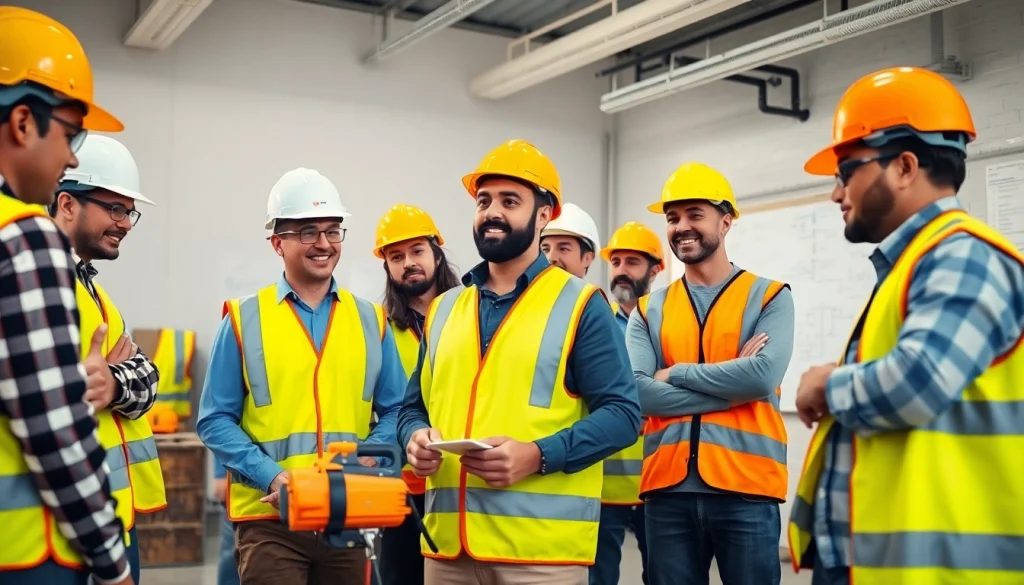
Understanding the Importance of Construction Safety Training
In the construction industry, safety is paramount. The demanding nature of construction work exposes workers to numerous hazards, which makes construction safety training a critical element in every project. Comprehensive safety training enhances workers’ understanding of potential dangers and instills effective safety practices, potentially reducing the number of accidents and injuries on job sites. This conversation investigates the multifaceted importance of safety training within the construction sector.
Benefits of Effective Safety Training
Implementing effective construction safety training provides a wide array of benefits that extend beyond mere compliance with regulations. Firstly, it fosters a culture of safety, driving employees to prioritize their well-being and that of their colleagues. This culture leads to a more engaged workforce, reducing absenteeism and boosting morale. Furthermore, workers equipped with proper training demonstrate increased proficiency and confidence, which can enhance productivity. For organizations, the financial implications can be profound; fewer injuries translate into lower insurance premiums, reduced compensation claims, and less time lost to work stoppages. Ultimately, effective safety training pays dividends for both employees and employers alike.
Regulatory Compliance and Standards
Construction safety training is not merely a best practice; it is often a legal requirement. Regulatory bodies like OSHA (Occupational Safety and Health Administration) set guidelines that define necessary safety protocols. Adhering to these regulations helps organizations avoid substantial fines and legal repercussions that may arise due to non-compliance. Moreover, compliance with these standards demonstrates a commitment to employee safety, which can enhance a company’s reputation in the industry. This adherence ensures that all workers are informed of safety protocols, contributing to an overall safer work environment.
Surveying Common Safety Hazards in Construction
The construction environment is rife with potential hazards, including falls, electrocution, slips, and machinery-related injuries. Understanding these common safety hazards is essential for effective training. Falls are consistently cited as the leading cause of fatalities in construction, accounting for a significant percentage of injuries. Proper safety training programs educate workers on fall protection systems, including harnesses, guardrails, and scaffolding safety procedures. Highlighting other significant hazards, such as the risks associated with electrocution or operating heavy machinery, ensures a comprehensive approach to safety that can mitigate the likelihood of accidents significantly.
Components of a Comprehensive Construction Safety Training Program
A robust construction safety training program should consist of a blend of theoretical knowledge and practical applications. The following components are pivotal in creating effective safety training programs that cater to diverse needs.
Curriculum Development Strategies
Curriculum development for construction safety training should be systematic and tailored to address the unique challenges of each construction site. Organizations must first identify the specific risks related to their operations and subsequently design training modules that address these risks. This process often involves collaborating with safety experts and considering feedback from experienced workers. Using a combination of instructional materials—such as manuals, videos, and interactive content—ensures that trainees can grasp essential concepts effectively. Incorporating real-world scenarios into training modules can enable participants to engage with the material actively, enhancing retention and practical application.
Incorporating Hands-On Learning Activities
Practical, hands-on learning activities are integral to reinforcing the lessons taught during safety training. Simulated exercises, role-playing scenarios, and field demonstrations allow workers to practice safety protocols in a controlled environment. For instance, scaffold safety can be taught through practical setups where trainees must apply their learning to erect and dismantle scaffolding correctly. Such activities not only enhance skills but also build confidence in handling real-world situations. Pairing theoretical knowledge with practical experience fosters a deeper understanding of safety protocols and encourages better adherence on site.
Utilizing Technology in Safety Training
The integration of technology in construction safety training offers innovative solutions that can make training more accessible and engaging. Online training modules and virtual reality simulations are becoming increasingly popular, allowing workers to learn at their own pace and in various environments. These technologies can provide immersive experiences, replicating hazardous environments safely. Mobile applications can serve as tools for on-the-job safety reminders, allowing workers to access training materials and safety checklists as needed. Utilizing technology not only increases the efficacy of safety training but also ensures consistent delivery across diverse locations.
Best Practices for Delivering Construction Safety Training
Delivering construction safety training effectively requires adherence to best practices that enhance the learning experience and promote retention of safety principles.
Engaging Different Learning Styles
Everyone learns differently; therefore, construction safety training should accommodate a variety of learning styles. Some individuals may grasp concepts better through visual aids, while others prefer auditory instruction or hands-on activities. Incorporating a mix of teaching methods—such as presentations, group discussions, interactive workshops, and practical demonstrations—ensures that all participants can engage meaningfully with the material. Tailoring approaches to fit the diverse learning preferences within a workforce leads to a more inclusive and effective training experience.
Regular Evaluation and Feedback Mechanisms
Continuous evaluation of training programs is critical for ensuring their effectiveness. Implementing regular assessments, including quizzes, practical evaluations, and feedback surveys, can help measure the trainees’ understanding and retention of safety protocols. Moreover, encouraging open dialogue allows trainers to gather insights from participants on the training’s applicability and effectiveness. This feedback loop not only informs future training sessions but also helps to identify areas where additional support or resources may be necessary.
Monitoring and Assessing Training Effectiveness
Effective training doesn’t stop with the delivery; it must be monitored to assess its impact on safety performance. Organizations should track key performance indicators (KPIs) such as incident rates, near-miss reports, and safety compliance audits to evaluate the effectiveness of their safety training program. Analyzing trends over time can reveal the training program’s success and indicate areas where improvements may be needed. If certain hazards continue to result in incidents, it may reveal gaps in the training that require immediate attention.
Challenges in Implementing Construction Safety Training
Despite the evident benefits of safety training, various challenges may impede effective implementation. Understanding these challenges is crucial for developing viable strategies to overcome them.
Overcoming Resistance to Safety Training
Resistance to safety training can arise from various sources, including employees’ skepticism about the necessity of training or a general reluctance to change. To combat this, organizations must communicate the importance of safety training clearly and emphasize the collaborative nature of these initiatives. Involving employees in the development of safety policies and programs can also foster buy-in and promote engagement. Engaging workers through discussions and soliciting their input make them feel valued and more likely to participate in safety training.
Addressing Language Barriers and Diverse Workforces
The construction industry often comprises diverse workforces, including individuals from various cultural backgrounds and languages. Training materials and sessions should be inclusive, taking into account the language needs of all participants. Providing materials in multiple languages and using visual aids can transcend language barriers and effectively convey critical information. Additionally, employing bilingual trainers can facilitate better communication and understanding during training sessions, ensuring that all workers comprehend safety protocols irrespective of their primary language.
Resource Allocation for Training Initiatives
Implementing a robust safety training program requires substantial resources, including time, budget, and personnel. Organizations may face constraints that impede their ability to allocate necessary resources. To overcome this challenge, organizations should prioritize safety training as a fundamental element of their operations. Demonstrating to decision-makers the long-term benefits of investing in training, such as reduced injury rates and associated costs, can help justify the allocation of resources. Additionally, considering partnerships with local safety organizations or leveraging government grant programs can provide financial support for training initiatives.
Measuring Success and Continuous Improvement in Construction Safety Training
Success in construction safety training is not static; it requires ongoing measurement and enhancement. Organizations need to adopt a proactive approach to evaluating and refining their training programs.
Key Performance Indicators to Track
Establishing and tracking relevant KPIs is essential for assessing the impact of safety training. Metrics such as incident rates, injury severity, employee retention rates, and worker feedback on training effectiveness provide valuable insights into the training program’s overall efficacy. By regularly analyzing these metrics, organizations can pinpoint trends, evaluate the success of training initiatives, and make informed decisions on necessary adjustments or enhancements to the program.
Adapting Training Programs Based on Feedback
Continuous improvement hinges on adaptability. Training programs should not be static; they must evolve based on feedback from both trainees and performance metrics. Gathering input from employees can unveil the strengths and weaknesses of the training, empowering organizations to make strategic adjustments. Regularly updating training materials and methods to reflect changes in regulations, technologies, and industry practices is equally vital for maintaining relevance and effectiveness.
Case Studies of Successful Safety Training Implementation
Exploring case studies of successful construction safety training implementation can provide valuable lessons and best practices. For instance, a construction firm that faced high incident rates implemented a comprehensive safety training program that integrated multimedia learning with hands-on exercises. Over time, they observed a significant reduction in job-related injuries, illustrating the effectiveness of a multifaceted approach to training. Analyzing such case studies offers insights into common challenges faced, the solutions implemented, and the outcomes achieved, providing practical benchmarks that organizations can strive for in their safety training efforts.