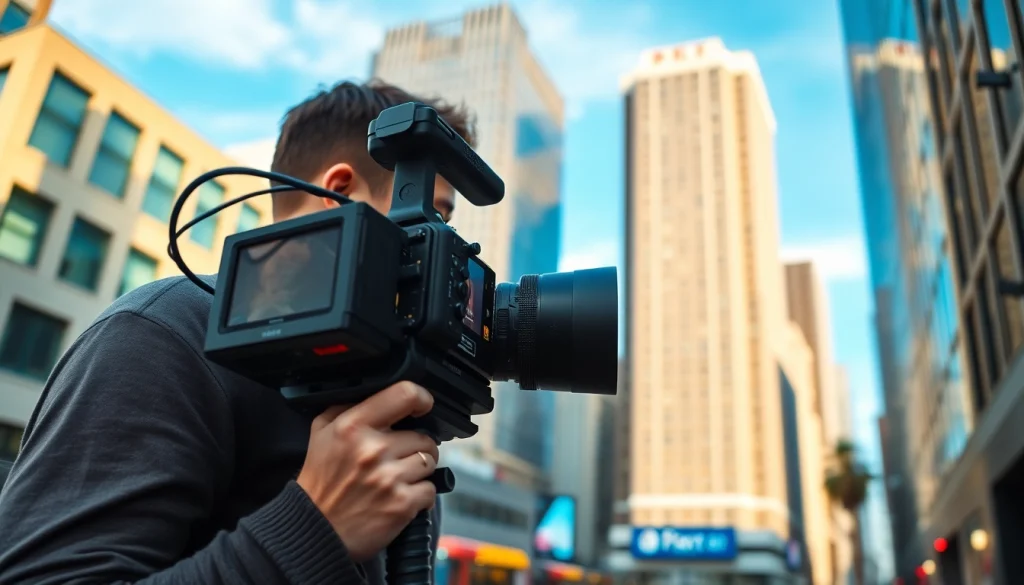
Understanding the Videographer’s Craft
The world of videography is a vibrant field where creativity meets technical expertise. As a professional field, it encompasses various genres, from wedding videography to corporate promotional videos, documentaries, and music videos. The role of a Videographer goes beyond simply recording footage; it involves the art of storytelling, capturing moments, and conveying emotions through visual media. In this article, we delve into the multifaceted nature of videography, exploring the essential skills, responsibilities, and trends shaping this exciting domain.
Definition and Key Responsibilities of a Videographer
A videographer is defined as a professional who specializes in the art of capturing and producing video content. Their responsibilities typically include planning, shooting, and editing video footage. They work in various settings, including weddings, corporate events, commercials, and more. Key responsibilities include:
- Pre-Production Planning: This includes discussing project goals with clients, creating storyboards, and developing shot lists.
- Filming: Videographers operate cameras, select locations, control lighting, and manage sound equipment to ensure high-quality footage.
- Post-Production Editing: Using video editing software, they edit footage, add effects, and create the final product that aligns with the client’s vision.
- Client Relations: Establishing and maintaining relationships with clients, ensuring clear communication throughout the project.
Essential Skills Required for a Successful Videographer
To thrive in the competitive field of videography, several key skills are necessary:
- Technical Proficiency: Mastery in using cameras, lighting, and audio equipment is crucial for producing quality videos.
- Creativity and Vision: A successful videographer must have a strong ability to visualize and create compelling narratives through video.
- Attention to Detail: Even small elements can significantly impact the final production; thus, attention to detail is paramount.
- Storytelling Ability: The best videographers are excellent storytellers who can engage audiences and convey messages effectively.
- Editing Skills: Proficiency with editing software, such as Adobe Premiere Pro or Final Cut Pro, is essential for bringing video projects to life.
Trends and Technologies Shaping the Videography Field
As technology advances, the videography field continues to evolve. Key trends include:
- 4K and 8K Video Production: Higher resolution has become the standard, allowing for incredibly detailed visuals.
- Drones: Aerial footage captured by drones has revolutionized videography, providing unique perspectives and cinematic quality.
- Live Streaming: The ability to broadcast events live has become increasingly popular, requiring videographers to be skilled in both recording and streaming techniques.
- Mobile Videography: The rise of smartphones with advanced camera systems has allowed more creators to produce high-quality videos with ease.
Finding the Right Videographer for Your Needs
Securing the right videographer is crucial for ensuring your project is executed effectively. With a variety of options, it’s essential to clearly identify your needs before starting the search.
Identifying Your Videography Project Requirements
Before looking for a videographer, consider the specifics of your project:
- Purpose: What is the primary aim of the video? Is it for marketing, documentation, or personal keepsake?
- Target Audience: Who will be watching the video, and what styles resonate with that demographic?
- Budget: Determine your budget early on, as this will guide your selection of videographers.
- Timeline: Establish deadlines for when you need the final product and ensure the videographer can meet these timelines.
Evaluating Portfolios and Style of Different Videographers
When searching for a videographer, take the time to analyze their portfolios. Look for:
- Variety of Work: A robust portfolio should showcase a range of styles and formats that demonstrate versatility.
- Aesthetic Fit: Ensure their style aligns with your vision. Each videographer has a unique approach, and a match is critical for your project’s success.
- Quality of Work: Pay attention to the overall quality of the videos, including lighting, sound, editing, and storytelling elements.
Communicating Your Vision Effectively
Once you’ve narrowed down your choices, effective communication is key. Here is how to convey your vision:
- Create a Concept Brief: Outline your ideas, including themes, desired tones, and any specific elements you want to incorporate.
- Use Reference Videos: Share examples of videos that resonate with your vision to provide the videographer with a visual context.
- Encourage Collaboration: Allow the videographer to share their insights or ideas that could enhance your project.
Videography Techniques for Quality Productions
Producing high-quality video content requires an understanding of various techniques that can enhance the final product. Here are key areas to focus on:
Fundamental Camera Skills Every Videographer Should Master
Having a strong grasp of camera operations is essential for videographers. Focus on these skills:
- Framing and Composition: Learn to utilize the rule of thirds and creative angles to create visually pleasing and engaging shots.
- Camera Movement: Mastering techniques like panning, tilting, and tracking can add dynamism to your footage.
- Focus Control: Understanding depth of field and focus pulling can significantly enhance the storytelling aspect of your videos.
Sound and Lighting Best Practices for Videographers
No video is complete without sound and lighting considerations. Here are best practices:
- Lighting Techniques: Familiarize yourself with both natural and artificial lighting setups. Soft lighting is often preferred for interviews and cinematic shots.
- Audio Quality: Invest in quality microphones and recorders. Good sound enhances the overall production quality and keeps your audience engaged.
- Environment Control: Be aware of background noise and lighting conditions in your shooting locations to minimize distractions.
Editing Techniques That Every Videographer Must Know
The magic of videography often happens in post-production. Essential editing techniques include:
- Cutting Techniques: Understand different cutting styles, such as jump cuts and match cuts, to maintain viewer interest and narrative flow.
- Color Grading: This enhances the visual appeal of your videos, helping to create a consistent look that aligns with the story’s mood.
- Sound Design: Incorporate sound effects, background music, and dialogues wisely to engage audiences and convey emotions effectively.
Building a Videographer Portfolio for Success
A strong portfolio is an essential tool for any videographer looking to attract clients. Here’s how to build one that stands out:
Essential Elements to Include in Your Videographer Portfolio
Your portfolio should be a curated collection demonstrating your skills and versatility:
- Highlight Reel: An engaging highlight reel showcasing your best clips can draw potential clients’ attention.
- Diverse Projects: Include a range of work that spans different genres to appeal to various clients.
- Case Studies: Provide context around standout projects, detailing the conception, production, and final outcomes.
How to Showcase Your Work Creatively
Presentation matters. Creative showcase ideas include:
- Web Presence: Create a professional website that includes your portfolio, contact information, and client testimonials.
- Social Media: Utilize platforms to share clips and connect with audiences, showcasing your personality and style.
- Networking Events: Attend industry events to meet potential clients and collaborators, showcasing your work in person.
Networking Strategies for Aspiring Videographers
Building connections can help elevate your career. Here are effective networking strategies:
- Join Professional Associations: Being part of industry groups can provide resources, support, and networking opportunities.
- Collaborate with Other Creatives: Partner with photographers, musicians, and other filmmakers to create projects and expand your visibility.
- Leverage Online Platforms: Social media platforms and professional networks can help you connect with industry professionals and showcase your work.
Measuring Success as a Videographer
To understand your growth and effectiveness as a videographer, it’s important to implement metrics for success:
Key Performance Indicators for Videography Projects
Establishing KPIs can help measure the success of your videography projects:
- Client Satisfaction: Collect feedback from clients post-project to gauge their satisfaction and likelihood of recommending your services.
- Engagement Metrics: Analyze how viewers respond to your videos via views, likes, shares, and comments.
- Return on Investment: For commercial projects, calculate the ROI based on the impact of your video on clients’ business objectives.
Understanding Client Feedback and Its Importance for Growth
Client feedback is invaluable for professional growth. Here’s how to effectively leverage it:
- Request Constructive Criticism: Encourage clients to provide honest feedback about your work and their experience during the project.
- Implement Changes: Act on the feedback received to continuously improve your approach to videography and client management.
- Follow Up: Engage with clients after project completion to keep the relationship alive and gather ongoing insights into your work.
Continuing Education and Staying Updated in Videography
The media landscape is constantly evolving, and staying updated is crucial for success. Consider the following:
- Online Courses: Take advantage of resources such as online courses and webinars that delve into new equipment, software, and techniques.
- Industry Conferences: Attend workshops and conferences to network and learn about emerging trends from industry leaders.
- Stay Inspired: Regularly watch films, commercials, and online content to see what resonates and inspires you creatively.