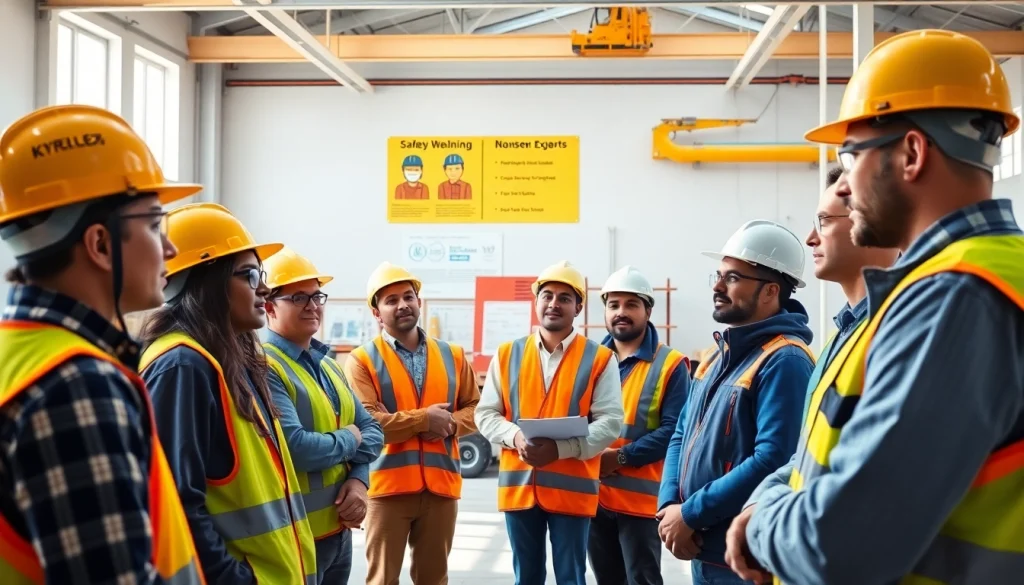
Understanding Construction Safety Training
Construction safety training is a critical component in ensuring the safety and well-being of workers in the construction industry. As construction sites are inherently hazardous, effective training programs help mitigate risks associated with various operations, minimize accidents, and improve overall workplace health. This comprehensive guide will delve into the essentials of construction safety training, exploring its significance, regulatory standards, various training methods, evaluating effectiveness, and the future trends shaping the industry.
What is Construction Safety Training?
Construction safety training encompasses a series of structured programs designed to educate workers about safety protocols and practices relevant to the construction industry. It includes the instruction of techniques to handle hazardous materials, the operation of machinery, fall protection systems, and emergency response procedures. The training ensures that all personnel are equipped with the knowledge required to perform their jobs safely and effectively.
The Importance of Construction Safety Training
The significance of construction safety training cannot be overstated. It serves multiple purposes that have both immediate and long-term benefits:
- Reduction of Accidents: Well-structured safety training significantly reduces the likelihood of accidents and injuries on site, protecting workers and minimizing downtime.
- Compliance with Regulations: Training helps companies comply with the Occupational Safety and Health Administration (OSHA) regulations, avoiding hefty fines and potential legal issues.
- Enhanced Productivity: A safe workplace fosters a more productive environment, where workers are focused on their tasks rather than worrying about hazards.
- Increased Morale: Workers feel valued when their safety is prioritized, leading to improved job satisfaction and lower turnover rates.
Key Components of Effective Safety Training
To maximize the effectiveness of construction safety training, certain key components must be included:
- Comprehensive Curriculum: Training should cover a broad spectrum of topics, including hazard recognition, personal protective equipment (PPE), use of tools, and emergency preparedness.
- Hands-On Training: Incorporating practical exercises allows participants to apply their knowledge in real-world scenarios, reinforcing learning.
- Regular Updates: Training materials must be continually updated to reflect the latest regulations, technologies, and industry practices.
- Qualified Instructors: Educators should possess relevant experience and training credentials to effectively deliver safety content.
Regulatory Standards in Construction Safety Training
Overview of OSHA Regulations
The Occupational Safety and Health Administration (OSHA) is the principal authority on workplace safety in the United States. OSHA sets forth guidelines regarding safety training, mandating that employers provide training to their staff on recognizing and avoiding hazards. Specific standards applicable to construction safety include:
- General Duty Clause: Employers must provide a work environment free from recognized hazards.
- 29 CFR 1926: This section details construction-specific standards addressing everything from scaffolding safety to electrical hazards.
- Recordkeeping Guidelines: Employers must keep records of workplace injuries, incidents, and training, facilitating accountability and transparency.
State-Specific Safety Requirements
State regulations may impose additional requirements beyond those established by OSHA. These variations can include specific training programs, certifications, and stipulations for different types of construction work. Employers must be aware of their state’s laws to ensure full compliance and avoid penalties.
Enforcement of Safety Standards
OSHA conducts inspections and compliance checks to enforce safety standards within the construction industry. Employers found violating regulations may face fines, citations, or even potential shutdowns of their operations. Regular audits and inspections play a crucial role in maintaining a safe work environment.
Methods and Formats for Construction Safety Training
In-Person vs. Online Training Options
Training can be delivered through various formats, each with its distinct advantages:
- In-Person Training: Face-to-face instruction provides immediate feedback and facilitates interactive learning. However, it may require more resources and logistics to coordinate.
- Online Training: Flexible and often more cost-effective, online training can be accessed at the convenience of employees. However, it may lack the personal touch of in-person sessions.
Blended Learning Approaches
A blended approach combines in-person and online training, maximizing the benefits of both formats. This method allows for interactive sessions while also providing the flexibility to revisit learning material online at any time. It caters to diverse learning styles, promoting better retention and application of safety principles.
Interactive Safety Drills and Workshops
Practical drills reinforce skills learned during theoretical instruction, allowing workers to practice responding to hazards or emergencies. Workshops can focus on specific safety issues, encouraging team collaboration to develop solutions while enhancing communication among workers. Such experiences not only clear theoretical concepts but also build team cohesion.
Evaluating the Effectiveness of Construction Safety Training
Setting Performance Metrics
Measuring the effectiveness of safety training is vital for continuous improvement. Key performance indicators (KPIs) can include:
- Incident rates before and after training sessions.
- Employee feedback and satisfaction scores related to training content.
- Employee participation and completion rates for safety training programs.
Feedback Mechanisms for Continuous Improvement
Establishing feedback mechanisms allows workers to voice their thoughts on training effectiveness. Methods can include surveys, suggestion boxes, and follow-up discussions. It promotes a culture of safety and encourages workers to actively participate in how safety training evolves within their organization.
Common Challenges in Evaluating Training
Evaluating the effectiveness of safety training presents several challenges, including:
- Data Collection: Gathering relevant and accurate data can be time-consuming and complex.
- Employee Engagement: Workers might be hesitant to provide honest feedback, fearing repercussions.
- Changing Regulations: Keeping up with regulatory changes can disrupt established training protocols, making evaluation difficult.
Future Trends in Construction Safety Training
Technology Integration in Safety Training
Emerging technologies, such as virtual reality (VR) and augmented reality (AR), are transforming construction safety training. These tools simulate real-world scenarios, providing an immersive experience that prepares workers for the challenges they may face on site. Additionally, mobile applications can facilitate quick access to safety guidelines, enhancing training on-the-go.
Emerging Safety Protocols
As the construction industry evolves, so too do safety protocols. Recent trends emphasize the importance of mental health and well-being in the workplace, alongside physical safety training. Programs addressing stress management, mental health awareness, and creating a supportive work environment are increasingly becoming part of comprehensive safety training.
Global Best Practices and Innovations
The global construction industry is witnessing innovations in safety practices driven by continuous learning and adaptation. Companies are adopting techniques like lean construction principles, which foster efficient processes while minimizing waste and enhancing safety. Learning from global best practices provides valuable insights that can be integrated into local training programs, promoting a culture of safety and excellence.