Introduction to Sliding Door Shower Screen
In modern bathroom designs, maximizing space while ensuring functionality is a top priority. One solution that blends both aesthetics and practicality is the sliding door shower screen. These screens have gained popularity due to their space-saving abilities and sleek look, making them ideal for contemporary bathrooms. In this article, we will explore what sliding door shower screens are, their benefits, the materials used to manufacture them, and much more.
What is a Sliding Door Shower Screen?
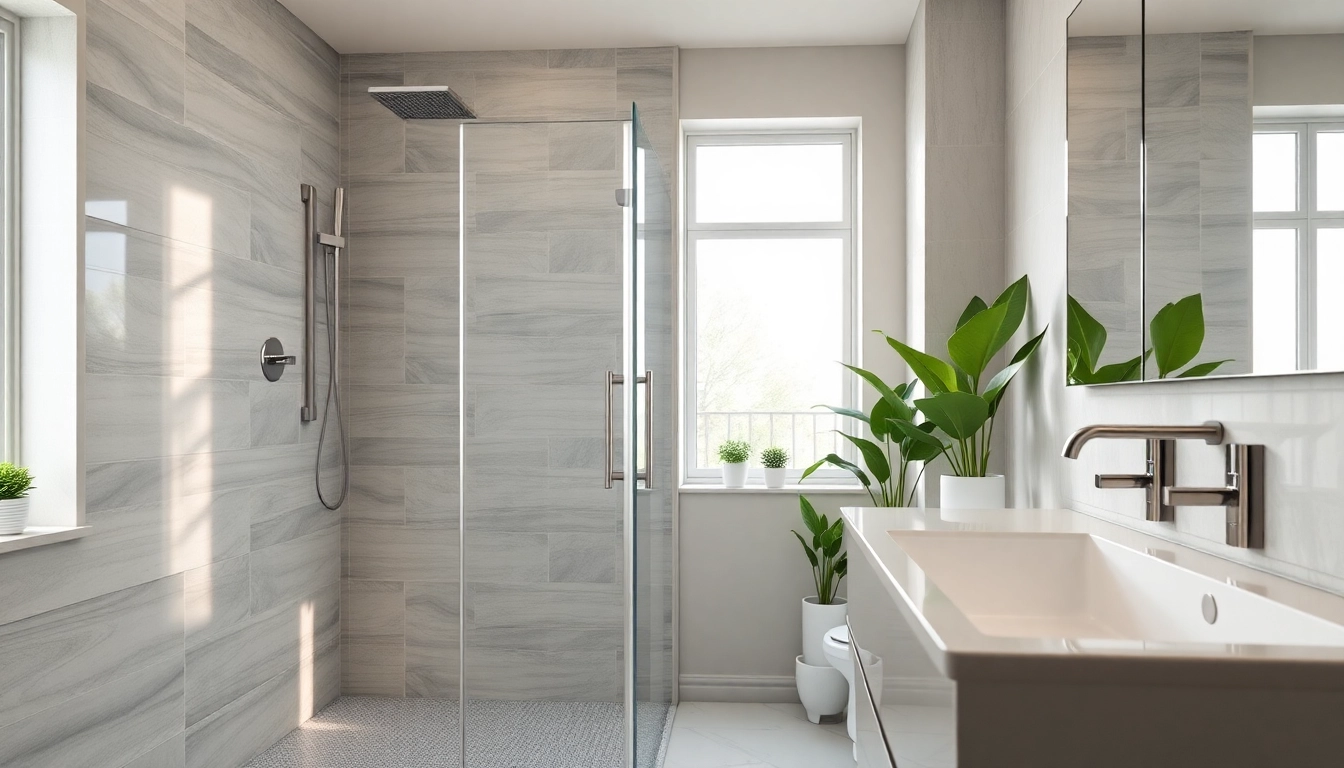
A sliding door shower screen is a type of enclosure that allows for easy access to the shower area without the need for a swing door. Instead of opening outward, the doors slide horizontally along a track. This design not only optimizes space, making it perfect for smaller bathrooms, but also provides a modern, sleek aesthetic that enhances the overall look of the bathroom.
Benefits of Sliding Door Shower Screen
Sliding door shower screens offer numerous benefits that contribute to their growing popularity:
- Space efficiency: Their design eliminates the need for clearance space required by hinged doors, making them ideal for smaller bathrooms.
- Ease of use: The sliding mechanism allows for smooth and effortless operation, catering to people of all ages and abilities.
- Water containment: A well-designed sliding screen effectively prevents water from splashing outside the enclosure, keeping the bathroom floor dry.
- Customization: They can be tailored to fit various sizes and styles, offering flexibility in design aesthetics.
- Minimal maintenance: With fewer moving parts and a straightforward cleaning process, maintaining a sliding shower screen is easier compared to traditional doors.
Common Materials Used
Sliding door shower screens can be manufactured using a range of materials, each offering unique advantages:
- Tempered glass: This is the most popular choice due to its strength and safety properties. It is less likely to shatter compared to regular glass.
- Acrylic: Lightweight and affordable, acrylic options offer a good balance between durability and cost-effectiveness, though they might scratch more easily.
- Framed vs. frameless designs: Both styles can be constructed from toughened glass, with frameless designs providing a more modern, open appearance.
- Aluminum frames: Used for the structure of framed shower screens, aluminum is lightweight and resistant to rust, which is beneficial in moisture-rich environments.
Design Options for Sliding Door Shower Screen
Framed vs. Frameless Designs
One of the first decisions to make when selecting a sliding door shower screen is whether to opt for a framed or frameless design:
- Framed designs: These screens have a solid frame that often makes them easier to install. They provide a traditional look and can be more cost-effective.
- Frameless designs: Offering a sleek and modern aesthetic, frameless sliding shower screens create an illusion of more space and are easier to keep clean. The absence of framing can, however, require more precise measurements during installation.
Size and Space Considerations
Assessing your available space is crucial when choosing a sliding door shower screen. Key factors include:
- Shower dimensions: Ensure to measure the height and width of the shower area accurately to select a screen that fits well.
- Track length: The track needs to be long enough to accommodate the sliding motion of the doors, which can affect the screen's overall dimension.
- Room layout: Consider the placement of bathroom fixtures and ensure that the sliding doors don’t interfere with any other elements.
Color and Finish Choices
Sliding door shower screens come in a variety of colors and finishes to match any bathroom decor:
- Clear glass: Offers an unobstructed view and blends seamlessly into any style.
- Frosted glass: Provides privacy while allowing light to filter through.
- Colored glass: Adds a pop of color to your shower and can serve as a design focal point.
- Frame finishes: Options may include chrome, brushed nickel, matte black, or white, allowing customization based on individual tastes.
Installation and Maintenance of Sliding Door Shower Screen
DIY Installation Guide
Installing a sliding door shower screen can be a manageable DIY project if you follow the right steps:
- Measure the space: Gather accurate measurements and ensure that the surface is level.
- Gather materials: Acquire the required tools and materials, including the shower screen, track, screws, and brackets.
- Install the track: Attach the track securely to the wall, ensuring it is level to allow smooth sliding.
- Hang the doors: Carefully attach the sliding doors to the track as per the manufacturer’s instructions.
- Check functionality: Test the operation of the doors to ensure they open and close smoothly.
Professional Installation Benefits
While DIY is an option, professional installation can save time and ensure a better fit. Benefits include:
- Expertise: Professionals have experience and know-how, reducing the chance of errors or misalignment.
- Warranty considerations: Many manufacturers require professional installation to honor warranties, offering extra peace of mind.
- Time savings: Hiring a professional can be quicker, especially if complications arise during installation.
Maintenance Tips for Longevity
Proper maintenance extends the lifespan of your sliding door shower screen:
- Regular cleaning: Use non-abrasive cleaners and a soft cloth to avoid scratches. Cleaning should occur weekly to prevent soap scum buildup.
- Check the tracks: Keep the sliding tracks free of debris and lubricate them periodically for smooth movement.
- Inspect seals and hardware: Regularly check seals for wear and ensure all screws are tightened to prevent leaks.
Cost Factors for Sliding Door Shower Screen
Material and Design Costs
Understanding the cost implications when purchasing a sliding door shower screen is crucial. Factors include:
- Material choice: Options such as tempered glass generally have higher costs due to durability and safety features.
- Design complexity: A more intricate design might increase costs due to additional labor and materials required.
- Size: Larger screens typically cost more, as additional material is needed, along with sturdier frames.
Installation Costs
Installation costs vary based on several factors:
- DIY vs. professional: DIY can save costs, but professionals, on average, may charge between $300 - $800 for installation.
- Location: Costs can vary depending on regional labor rates and availability of skilled installers.
Long-term Financial Benefits
Investing in a sliding door shower screen can be cost-effective in the long run:
- Energy efficiency: Reducing water wastage contributes to lower utility bills.
- Increased home value: A well-installed and attractive shower screen can enhance property value and appeal.
- Durability: High-quality materials mean less frequent replacements, translating into savings over time.
FAQs: Sliding Door Shower Screen Insights
How do I measure for a sliding door shower screen?
Measure the width and height of your shower opening. Ensure to account for any obstructions and note the wall conditions to plan for proper installation.
Are sliding door shower screens easy to clean?
Yes, sliding door shower screens are relatively easy to clean. Regular maintenance with non-abrasive cleaners helps keep them looking great and reduces buildup.
What are the best materials for durability?
Tempered glass is regarded as one of the best materials for its strength and safety. It’s less prone to shattering and generally easier to maintain.
How much space do I need for a sliding door shower screen?
Ensure sufficient wall space for the track of the sliding door. Ideally, allow at least a couple of inches beyond the door’s width for smooth sliding.
Can I customize my sliding door shower screen?
Yes, many manufacturers offer customization options, allowing you to choose sizes, colors, and finishes to match your bathroom decor.