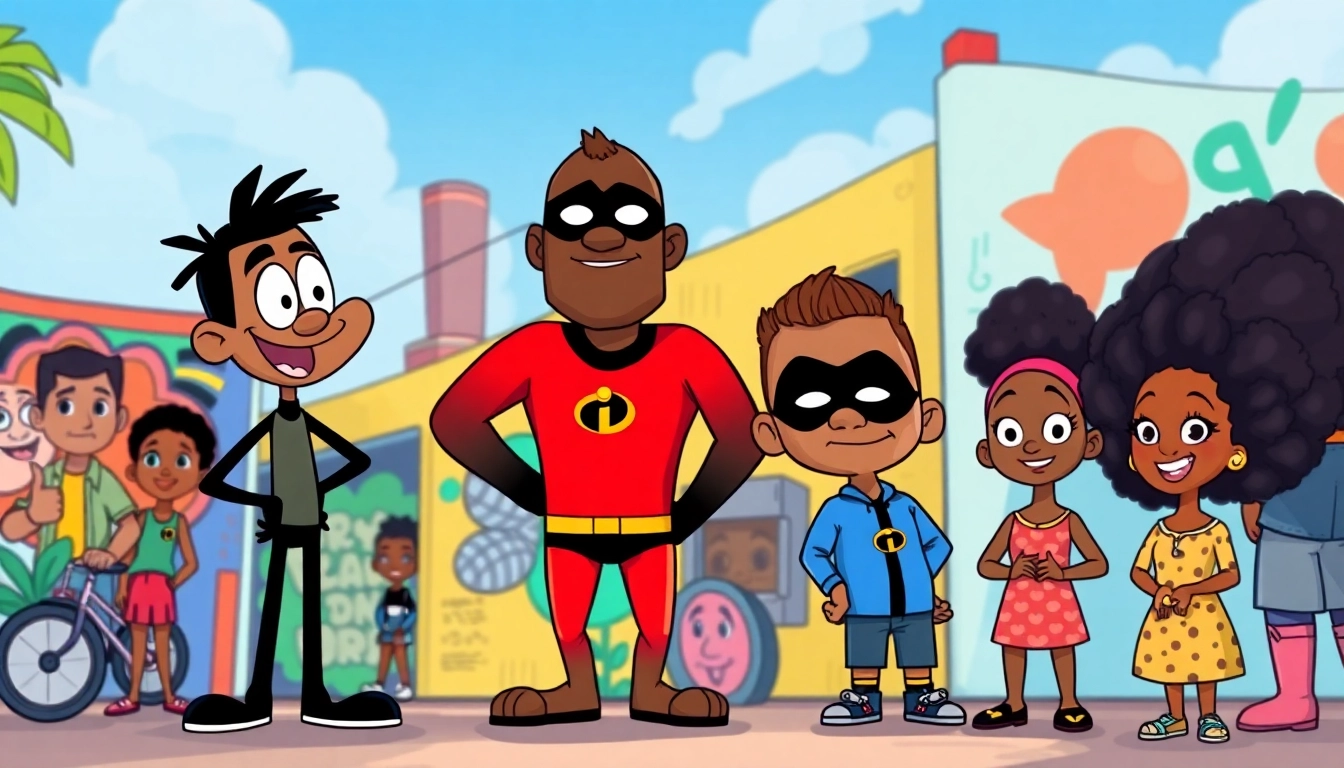
Understanding African American Cartoons
African American cartoons encompass a rich tapestry of animated content that not only entertains but also serves as a powerful medium for cultural representation. From early depictions in the 20th century to contemporary series that resonate with today's audiences, these cartoons reflect the diversity and uniqueness of African American experiences. This article delves into the significance and evolution of African American cartoons, exploring their impact on society, iconic characters, and the future of animation in this genre.
When exploring options, African American Cartoons offer a window into a world of creativity that spans generations, highlighting the importance of representation in the entertainment industry.
What Are African American Cartoons?
African American cartoons are animated series and films that prominently feature African American characters, stories, and cultural themes. These works have evolved from simplistic caricatures often filled with stereotypes to complex narratives that celebrate Black culture and address social issues. Examples include beloved classics like "Fat Albert" and "The Boondocks," both known for their humor and social commentary.
Historical Significance and Cultural Impact
The history of African American cartoons is deeply intertwined with the advancement of racial equality in America. During segregation, cartoons often perpetuated harmful stereotypes. However, black creators began to reclaim this medium, producing works that reflect authentic experiences and challenge societal norms. For instance, the groundbreaking series "The Boondocks," created by Aaron McGruder, offers sharp critique and insight into African American life, making significant cultural impacts.
Key Themes in African American Animation
Common themes in African American cartoons include identity, community, and resilience. Many narratives explore the complexities of growing up Black in America, addressing both familial bonds and societal challenges. Educational series like "Doc McStuffins" not only entertain but also empower children by showcasing relatable characters and positive messages.
Iconic Characters That Shaped Generations
Top African American Cartoon Characters
Iconic characters have become a cornerstone of African American cartoons. Figures such as Huey and Riley Freeman from "The Boondocks" and Penny Proud from "The Proud Family" embody the struggles and triumphs of their communities, creating relatable role models for young viewers. These characters not only entertain but also educate audiences about African American culture.
Character Development and Representation
Character development in African American animation often reflects real-world issues such as racism, social justice, and self-acceptance. This approach fosters a deeper understanding of diverse experiences. Shows like "The Proud Family" address topics like family dynamics, friendship, and social challenges, enhancing the representation of Black youth.
How These Characters Influence Young Audiences
Representation in media matters significantly, especially for children. African American cartoons provide role models who reflect the audiences' backgrounds, fostering self-esteem and encouraging a positive self-image. By seeing their lives and stories validated in animation, young viewers can build a sense of identity and belonging.
The Evolution of Black Animation
From Early Days to Modern Classics
The journey of African American cartoons has evolved dramatically since the early 20th century. Initially, characters like "Bebe's Kids" and "Fat Albert" provided a sense of community and humor. As animation techniques advanced, so too did the depth of storytelling, with modern series tackling complex social issues and expanding narratives beyond mere entertainment.
Technological Advances in Animation
Technology has revolutionized animation, allowing for more sophisticated storytelling and character design. Tools like computer-generated imagery (CGI) have enabled creators to craft visually stunning worlds that resonate with audiences. Access to streaming platforms further democratizes the content, providing broader distribution for African American creators to showcase their work.
Notable Recent Releases
Recent releases in African American animation, such as "Maya and the Three" and "Chicago Party Aunt," reflect cultural narratives that are both entertaining and rich in cultural context. These series appeal to a diverse audience while emphasizing the importance of representation and inclusivity in modern animation.
Accessing African American Cartoons Today
Where to Watch: Streaming Services and Platforms
With the rise of streaming services, access to African American cartoons has never been easier. Platforms like Netflix, Hulu, and Disney+ host a variety of animated series featuring African American leads, allowing for an expansive viewing experience. As these platforms continue to invest in diverse storytelling, audiences can anticipate an increasing array of options.
Engaging Educational Content for Kids
Educational cartoons like "Sesame Street" and "Doc McStuffins" not only entertain but also teach important life skills and societal values. These shows embrace diversity, making learning inclusive and enjoyable. They play an essential role in shaping young minds while reinforcing positive messages about self-acceptance and multicultural understanding.
Creating a Diverse Viewing Experience
To foster an inclusive environment, it is vital for parents and educators to curate a diverse array of animated content. By exposing children to African American cartoons and their characters, adults can help them appreciate different cultures and perspectives, promoting empathy and understanding at a young age.
The Future of African American Animation
Emerging Trends in Animation for 2026
The future of African American animation looks promising, with an increasing number of creators from diverse backgrounds entering the industry. Trends indicate a rise in authentic narratives that highlight underrepresented voices and themes. Furthermore, collaborations between studios and independent filmmakers are likely to foster innovation and experimentation in storytelling.
Predictions for New Projects and Characters
As audiences seek more representation, we can expect to see new projects and characters that reflect the complexities of the African American experience. Innovations in animation, such as virtual reality and interactive storytelling, may also emerge, captivating a new generation of viewers.
Challenges and Opportunities in the Industry
Despite the progress made, challenges remain in ensuring equitable representation and opportunity within the animation industry. Underrepresentation of African American creators in leadership roles still exists. However, ongoing advocacy for diversity and inclusion is reshaping the landscape, fostering opportunities for future talent.