Understanding the Role of Collaboration in Education
Collaboration in education is not merely a buzzword; it is an essential strategy that shapes the way students learn and interact. As society becomes increasingly interconnected through technology and social contexts, the ability to collaborate effectively has become a vital skill for students. Educators are increasingly turning to collaboration, whether through group projects in the classroom or partnerships between schools and local organizations, to enhance the learning experience. By emphasizing collaborative learning, educators are setting the stage for students to thrive not just academically, but also socially and emotionally. For a deeper exploration of educational methodologies and strategies, check out our Education resource.
Defining Collaborative Learning in Education
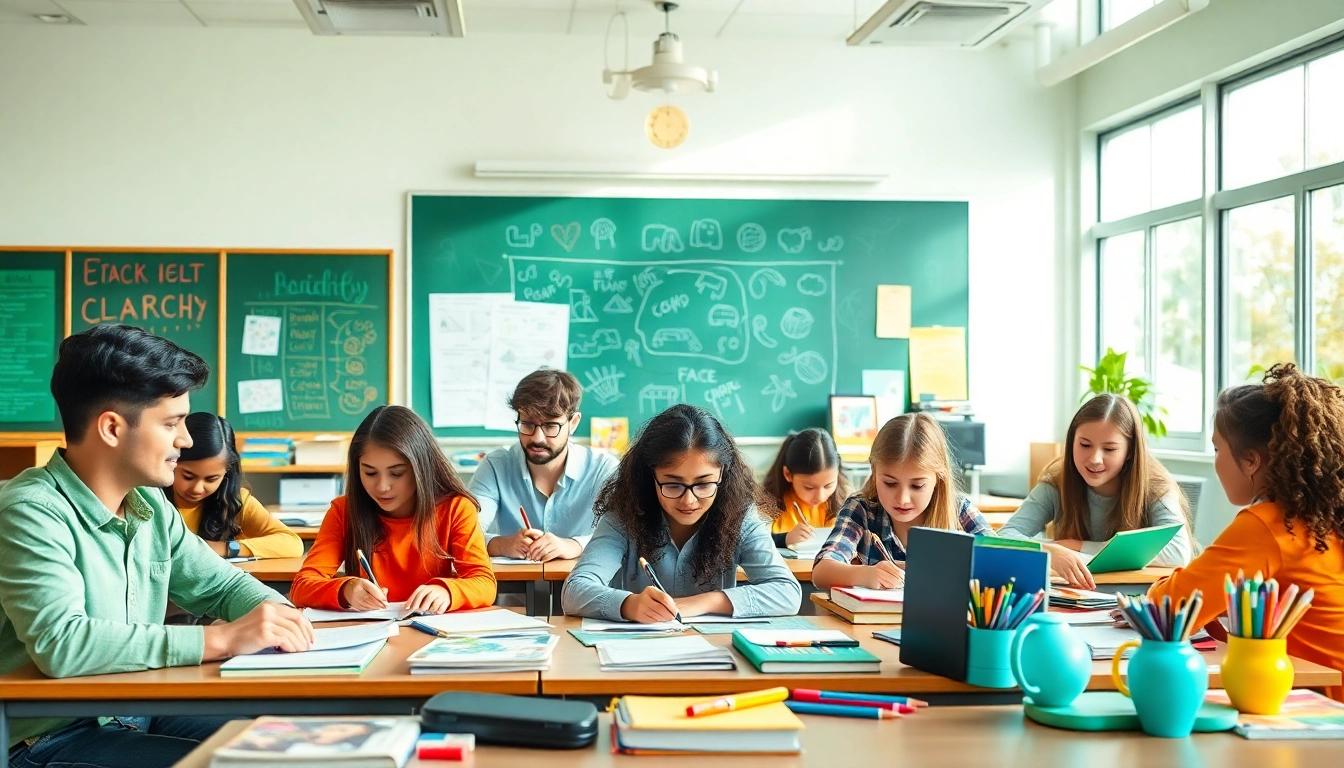
Collaborative learning can be defined as an educational approach that involves joint intellectual effort by students, or between students and teachers. The emphasis is on collaboration over competition, as students work together to achieve a common goal. This method recognizes the value of diverse perspectives, emphasizing trust and mutual respect. Collaborative learning can take many forms, including peer tutoring, cooperative group work, and even online collaborative platforms that enhance sharing and communication among learners.
The Benefits of Collaborative Learning
Employing collaborative learning techniques can have a multitude of advantages, including but not limited to:
- Enhanced Critical Thinking: Collaborating with peers allows students to engage in deeper cognitive processes as they discuss, debate, and negotiate differing viewpoints.
- Improved Communication Skills: Students sharpen their ability to articulate ideas clearly and listen effectively as they work together to solve problems.
- Social-Emotional Development: Collaborative learning fosters a sense of belonging and helps students develop empathy and teamwork skills.
- Preparation for Real-World Challenges: The cooperative nature of collaborative learning prepares students to face group dynamics and teamwork prevalent in the workplace.
Challenges in Integrating Collaboration into Education
While the benefits of collaborative learning are well-documented, integrating it into educational settings does not come without challenges. Some common hurdles include:
- Time Constraints: Teachers often face tight schedules that make it difficult to incorporate lengthy collaborative projects.
- Assessment Issues: Evaluating individual contributions within a group can be complicated and may lead to unequal grading practices.
- Group Dynamics: Conflicts may arise when students have different working styles or levels of commitment.
Effective Techniques to Foster Collaboration in Education
To successfully implement collaborative learning, educators can adopt specific strategies and techniques tailored to their classroom environment. Here are several effective techniques:
Project-Based Learning Approaches
Project-based learning (PBL) is a transformative educational approach where students engage in projects over a period of time that culminates in a final product or presentation. In PBL, students work in groups to tackle real-world problems, encouraging collaboration. By allowing students to take ownership of a project, results tend to be more impactful and memorable. A few key aspects of PBL include:
- Working on interdisciplinary projects that mimic job challenges.
- Encouraging reflective practices to assess the effectiveness of teamwork.
- Providing sufficient resources and support to ensure effective collaboration.
Utilizing Technology for Collaborative Education
In our digital age, leveraging technology for collaborative education is crucial. Various tools can facilitate group work and enhance communication, such as:
- Cloud Platforms: Tools like Google Drive and Microsoft Teams allow students to work together in real-time, regardless of their physical location.
- Virtual Collaboration Tools: Software that promotes video conferencing and online workshops can help maintain collaboration in remote learning environments.
- Learning Management Systems (LMS): Platforms like Moodle or Blackboard provide a centralized space for group discussions, assignments, and resource sharing.
Creating a Supportive Learning Environment
A supportive learning environment is essential for fostering successful collaboration among students. Educators can create such an environment by:
- Facilitating Icebreakers: Getting students comfortable with one another fosters trust and openness.
- Setting Clear Expectations: Providing guidelines and responsibilities ensures that each student understands their role within the group.
- Encouraging Respectful Dialogue: Teaching students how to disagree respectfully and constructively enhances collaboration.
Measurement and Assessment of Collaborative Learning Outcomes in Education
Assessment in collaborative learning environments must be robust enough to capture the nuances of group dynamics and individual contributions. Educators must adapt traditional assessment methods to accommodate these new practices.
Setting Clear Goals and Objectives
Before embarking on collaborative projects, it is critical to define clear and measurable goals. These should align not only with academic standards but also with the desired outcomes of teamwork and collaboration. Goals may include:
- Enhanced communication and interpersonal skills.
- Demonstrated mastery of subject knowledge.
- Ability to work together effectively to solve problems.
Tools for Assessing Collaboration Success in Education
To ensure effective assessment of collaborative efforts, educators can utilize various tools:
- Peer Evaluations: Having students assess each other’s contributions fosters accountability.
- Self-Reflection Tools: Encouraging students to reflect on their experience fosters a deeper understanding of their own strengths and areas for improvement.
- Rubrics: Using detailed rubrics for group projects clarifies expectations and provides a structured assessment framework.
Feedback Mechanisms for Continuous Improvement
Feedback is essential in a collaborative learning framework. Constructive feedback provides students with information to refine their collaboration skills and adapt future strategies. Effective feedback mechanisms include:
- Regular Check-ins: Scheduling sessions for ongoing feedback during project work can help students adjust their approaches in real-time.
- Post-Project Reviews: Having a debriefing session after project completion allows students to articulate what worked well and what could be improved.
- Anonymous Surveys: Collecting feedback about the collaborative process can encourage honest communication among students.
Real-World Examples of Collaborative Education Practices
It is essential to ground collaborative education strategies in real-world applications. Examples can inspire educators to adopt these practices effectively.
Case Studies of Successful Collaboration in Education
Numerous institutions have successfully implemented collaborative learning approaches, achieving remarkable results:
- Case Study 1: A community college developed a PBL initiative where students collaborated with local businesses to solve real issues, enhancing both student engagement and local economic development.
- Case Study 2: A high school established a mentorship program pairing upperclassmen with freshmen, fostering community through dedicated one-on-one projects.
Community Involvement in Collaborative Education
Bringing community resources into the classroom enriches the collaborative education experience. Schools may partner with local organizations to provide:
- Guest speakers and mentorship opportunities that connect students with community leaders.
- Internship programs that allow for hands-on experience in a collaborative working environment.
Partnerships with Local Organizations
Broader partnerships with local organizations can provide students with unique opportunities to apply their skills in real-world settings. Examples include:
- Collaborative initiatives with libraries to enhance literacy through community-driven reading programs.
- Joint projects with non-profits addressing social issues, giving students a chance to engage in meaningful service learning.
Future Trends in Collaborative Education
As the educational landscape evolves, so too do the methods and strategies for collaborative learning. Staying informed about upcoming trends can help educators remain effective.
The Impact of Remote Learning on Collaboration in Education
The shift towards remote learning has significantly impacted collaboration practices. While challenges remain, it has also opened new avenues for collaboration, including:
- Increased access to virtual collaboration tools, allowing for greater flexibility and connection.
- Global collaborative projects, where students from different countries work together, enriching cultural understanding.
Innovative Technologies Shaping Collaborative Education
As technology continues to advance, innovative tools are reshaping collaborative learning environments. Findings suggest that technologies such as:
- AI-Powered Tools: Intelligent systems can facilitate personalized learning experiences and automate administrative tasks, freeing up educators to focus on fostering collaboration.
- Augmented and Virtual Reality: These technologies can create immersive collaborative learning experiences, making complex subjects more tangible.
Preparing Students for a Collaborative Future in Education
As we look to the future, it is vital to equip students with the skills required for successful collaboration. This preparation includes:
- Integrating soft skills training into curricula, focusing on emotional intelligence and interpersonal skills.
- Encouraging students to become reflective practitioners, continuously improving their collaborative abilities.