Introduction
In industrial, commercial, and even architectural environments, GRP Grating has become one of the most trusted solutions for safe, strong, and long-lasting flooring systems. As industries shift toward materials that offer durability without excessive maintenance costs, GRP Grating stands out as a highly beneficial alternative to traditional steel or aluminum grating. Whether you are a procurement specialist, engineer, facility manager, or buyer researching options, understanding the materials, types, benefits, and selection criteria is essential. This comprehensive guide provides everything you need to know before making a purchase.
What Is GRP Grating?
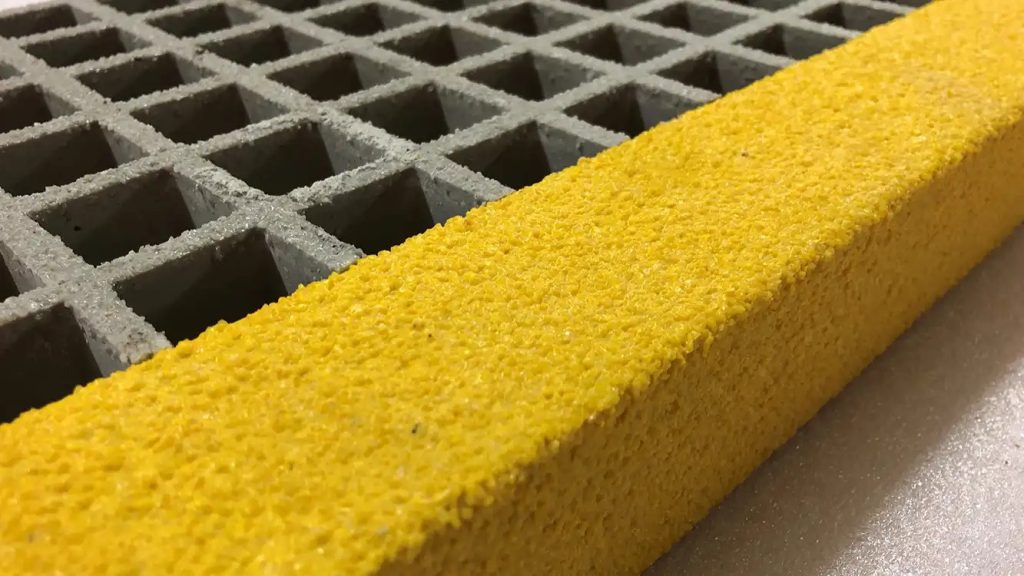
GRP Grating—Glass Reinforced Plastic Grating—is a composite material created by combining fiberglass and resin. This produces a strong, corrosion-resistant, and lightweight product suitable for environments where traditional metal grating may deteriorate or pose safety hazards.
Why GRP Instead of Traditional Metals?
Steel and aluminum gratings have long been used in industrial applications, but they come with limitations such as corrosion, weight, high electrical conductivity, and significant maintenance requirements. GRP Grating eliminates these issues while providing superior performance in harsh environments.
Key Advantages of GRP Grating
When choosing grating for your project, the benefits of GRP Grating play a critical role. Below are the major advantages that make it a preferred choice across different industries.
Corrosion Resistance
One of the biggest advantages of GRP Grating is its exceptional resistance to corrosion. It performs reliably in acidic, alkaline, and saltwater environments, making it ideal for marine applications, wastewater plants, chemical industries, and offshore platforms.
Lightweight Yet Strong
Despite its lightweight nature, GRP Grating offers impressive load-bearing capacity. This makes installation easier and reduces labor costs while maintaining structural strength.
Slip Resistance
Safety is a priority in any industrial setting. GRP Grating provides a naturally slip-resistant surface, often enhanced with grit finishes, ensuring safe footing even in wet or oily environments.
Non-Conductive and Non-Magnetic
Electrical safety is another important aspect of industrial design. GRP Grating is non-conductive, making it suitable for use around electrical equipment. It is also non-magnetic, which is valuable in sensitive installations.
Fire and Chemical Resistance
Depending on the resin type used, GRP Grating can be manufactured with fire-retardant and chemical-resistant properties, allowing it to withstand extreme conditions.
Minimal Maintenance
Unlike metal grating, GRP Grating does not require painting or galvanizing, resulting in significantly reduced long-term maintenance cost.
Main Types of GRP Grating
There are several types of GRP Grating available, each designed to suit specific applications. Understanding the differences will help you choose the most suitable option for your needs.
1. Moulded GRP Grating
Moulded GRP Grating is produced by layering fiberglass and resin in a mould, resulting in a grid structure with excellent strength and durability.
Key Features
- Superior load distribution
- Excellent corrosion resistance
- Ideal for foot traffic and general industrial applications
Best Uses
Wastewater treatment facilities, offshore platforms, chemical plants, walkways, and stair treads.
2. Pultruded GRP Grating
This type is made using a pultrusion process where fiberglass strands and resin are pulled through a heated die, creating strong bar-shaped sections.
Key Features
- Higher load capacity compared to moulded options
- Long-span capability
- Strong directional strength
Best Uses
Heavy-duty applications such as industrial floors, trench covers, storage platforms, and mezzanine systems.
3. Mini Mesh GRP Grating
Mini mesh GRP Grating features smaller openings designed to provide greater comfort and prevent small objects from falling through.
Key Features
- Smooth surface for pedestrian safety
- Compliant with ADA accessibility standards
- Suitable for barefoot areas
Best Uses
Public walkways, marina docks, poolside platforms, and architectural applications.
4. Covered GRP Grating
Covered GRP Grating includes a solid top plate over the grid, creating a platform that prevents debris from falling through and enhances walking comfort.
Key Features
- Added protection against spills
- Smooth or gritted top surface available
- Increased load-bearing capability
Best Uses
Food production plants, industrial platforms, conveyor maintenance walkways, and cleanroom facilities.
Types of Resin Used in GRP Grating
The resin matrix in GRP Grating significantly influences its performance. Selecting the correct resin type is essential for meeting environmental requirements.
Orthophthalic Resin
A cost-effective option with good general corrosion resistance.Suitable for light industrial applications and dry environments.
Isophthalic Resin
Improved chemical and corrosion resistance compared to orthophthalic resin.Suitable for moderate chemical exposure and outdoor use.
Vinyl Ester Resin
Offers the highest chemical and heat resistance.Ideal for severe industrial environments, including chemical processing plants.
Choosing the Right GRP Grating for Your Application
When selecting GRP Grating, consider these important factors to ensure optimal performance.
Load Requirements
Determine whether the grating will support pedestrian traffic, heavy machinery, or vehicular loads. Pultruded GRP Grating is recommended for high-load applications.
Environmental Conditions
If the installation area involves chemical exposure, saltwater, or moisture, select resin types that offer maximum corrosion resistance.
Safety Requirements
For areas requiring slip resistance, choose gritted surfaces. For electrical environments, ensure the grating offers non-conductive properties.
Mesh Size and Thickness
The opening size of GRP Grating affects drainage, comfort, and safety. Thick, heavy-duty panels are better suited for industrial use, while mini mesh is ideal for pedestrian pathways.
Fire Ratings
Ensure the selected GRP Grating meets the relevant fire safety standards required in your industry.
Installation Method
Determine whether you need clip systems, raised platforms, or integrated handrails. GRP solutions allow easy customization.
Common Applications of GRP Grating
Because of its versatility, GRP Grating is used across a wide range of industries.
Industrial Facilities
Used for platforms, flooring, trench covers, and safety walkways.
Marine and Offshore
Ideal for docks, gangways, ship decks, and offshore oil platforms due to its corrosion resistance.
Chemical Processing
Highly resistant to corrosive materials, making it suitable for tanks, drains, and containment areas.
Water Treatment Plants
Withstands high moisture levels and aggressive chemicals frequently present in wastewater systems.
Public Infrastructure
Perfect for pedestrian footbridges, drainage covers, rail stations, and parks.
Food and Beverage Industry
Hygienic, non-corrosive surfaces make GRP Grating suitable for processing areas and maintenance walkways.
Installation Tips for GRP Grating
Proper installation of GRP Grating ensures safety, durability, and long-term performance.
Accurate Measurements
Before installation, accurate site measurements are essential. This reduces waste and ensures a precise fit.
Cutting and Handling
GRP Grating can be cut using simple tools such as diamond-tipped blades. It is lightweight, which simplifies transportation and handling.
Secure Fastening
Use the correct fasteners, clips, and support frames to ensure stability. Different applications require different securing methods.
Safety Compliance
Always follow local safety standards and guidelines for installing GRP Grating, especially in industrial and commercial environments.
Maintenance Guidelines
One of the biggest advantages of GRP Grating is its minimal maintenance requirement. Still, periodic inspections help ensure long-term performance.
Cleaning
Use mild detergents or pressure washing to remove dirt, algae, and debris.
Visual Inspection
Check for cracks, delamination, or excessive wear. Replace damaged sections immediately.
Surface Renewal
For heavily trafficked areas, re-gritting can restore slip resistance and extend the lifespan of the grating.
Why GRP Grating Is a Long-Term Investment
While GRP Grating may have a higher initial cost than traditional metal grating, the long-term financial advantages are substantial. Reduced maintenance, extended lifespan, corrosion resistance, and improved safety all contribute to significant savings over time. Industries that value durability, reliability, and safety continue to adopt GRP Grating as their preferred material.
FAQs About GRP Grating
What are the main types of GRP Grating materials available?
GRP Grating comes in molded and pultruded types, each offering different strength, durability, and application benefits.
How do I choose the right GRP Grating for my project?
Select GRP Grating based on load requirements, environment, and corrosion resistance needed for your specific application.
Is GRP Grating suitable for both indoor and outdoor use?
Yes, GRP Grating is corrosion-resistant and durable, making it ideal for indoor and outdoor industrial or commercial projects.
Conclusion
Choosing the right GRP Grating involves considering environmental conditions, load requirements, safety standards, and long-term performance needs. With its unmatched durability, corrosion resistance, non-conductivity, and minimal maintenance, GRP Grating is a superior choice for a wide range of industries and applications. By understanding the different types, materials, and benefits, you can make an informed decision that ensures safety, efficiency, and cost-effectiveness for years to come.