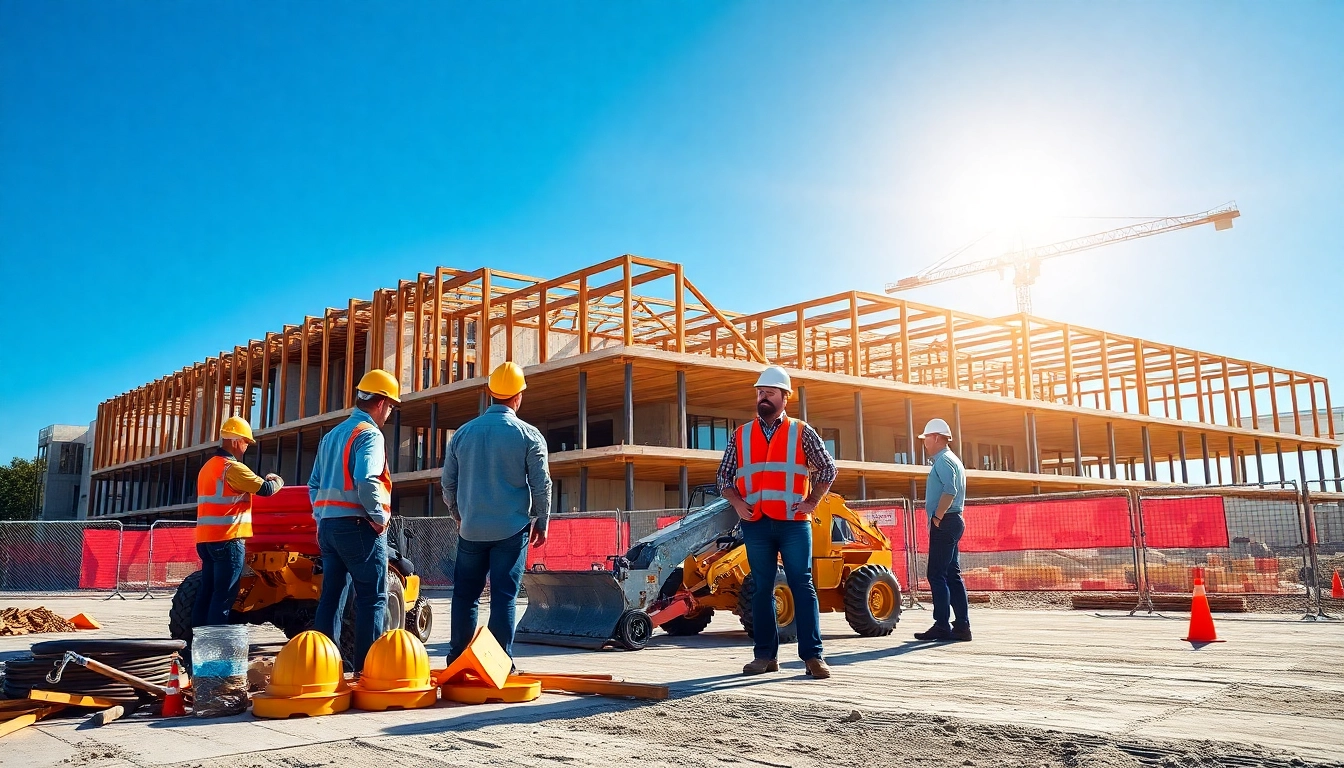
Understanding the Role of a New Jersey Commercial General Contractor
In the bustling world of construction, the role of a New Jersey Commercial General Contractor is vital in ensuring that projects not only meet design specifications but are also delivered on time and within budget. A commercial general contractor serves as the main point of contact for clients, managing tasks from planning and budgeting to execution and post-construction support. This comprehensive guide explores the multifaceted responsibilities of these contractors, highlighting their significance in New Jersey's construction landscape.
What is a Commercial General Contractor?
A commercial general contractor is a professional responsible for the oversight and management of construction projects. They act as the intermediary between clients and the various elements of a project, including subcontractors, suppliers, and regulatory agencies. Their key roles typically involve coordinating construction efforts, securing necessary permits, scheduling timelines, and maintaining project budgets.
Responsibilities of New Jersey Commercial General Contractors
Understanding the responsibilities of a New Jersey commercial general contractor can provide clarity on what to expect during a construction project. Here are some core responsibilities:
- Project Management: They are responsible for coordinating all aspects of the project, ensuring that all work is completed on time and adhere to specifications.
- Contract Management: They negotiate and manage contracts between clients and subcontractors to ensure mutual understanding of responsibilities and obligations.
- Permitting and Compliance: A deep understanding of local codes and regulations in New Jersey ensures that all aspects of the construction comply with legal standards.
- Bidding and Procurement: They obtain bids, select subcontractors, and manage the procurement of materials, ensuring quality and value.
- Quality Assurance: Ensuring that all work meets the required standards for quality and safety throughout the construction process is a primary duty.
- Communication: General contractors act as the primary point of communication between all parties involved in the project, ensuring everyone is on the same page.
Importance of Local Knowledge in New Jersey
Local knowledge is indispensable for a commercial general contractor operating in New Jersey. The state has specific building codes, zoning laws, and environmental regulations that can significantly affect project outcomes. A contractor with strong local ties will have a better understanding of:
- Local laws and regulations that govern construction.
- Community needs and expectations, which can influence project acceptance.
- Trends in local materials and labor costs, allowing for more accurate budgeting.
- Relationships with local suppliers and subcontractors, facilitating smoother operations.
Choosing the Right New Jersey Commercial General Contractor
Finding the right commercial general contractor is a crucial step that can make or break a project. Here’s how to ensure you choose a competent contractor for your needs:
Key Qualities to Look For
When searching for a New Jersey commercial general contractor, keep an eye out for these essential qualities:
- Experience: Evaluate their experience in similar projects and their track record of successful completions.
- Communication Skills: Look for a contractor who communicates clearly and effectively, fostering a collaborative atmosphere.
- References and Reviews: Well-respected contractors should happily provide references and evidence of past successes.
- Problem-Solving Ability: Construction projects often encounter unexpected challenges; look for a contractor capable of navigating these hurdles with grace.
- Transparency: A trustworthy contractor should provide clear invoices and project updates, avoiding hidden costs.
Evaluating Experience and Past Projects
Reviewing a contractor’s past projects can offer insight into their capabilities and reliability. Consider the following during this evaluation:
- Examine their portfolio: Look for completed projects similar in scope, budget, and design.
- Check for certifications: Relevant licensing and certifications indicate professionalism and adherence to regulations.
- Inspect project outcomes: Discuss past projects with the contractor and inquire about their challenges and how they were overcome.
Seeking Recommendations and Reviews
To make an informed decision, leverage your network. Reach out to other business owners, colleagues, or industry professionals for recommendations on reputable contractors. Additionally, online reviews can provide a wealth of information on contractors’ performance and satisfaction levels. Websites such as review platforms and industry-specific forums can be invaluable for gauging customer satisfaction and feedback.
Project Planning with a New Jersey Commercial General Contractor
Effective planning is foundational to the success of any construction project. Collaborating with your New Jersey Commercial General Contractor during the planning phase will help streamline every aspect of the project.
The Planning Process: Initial Steps
The initial steps in the planning process typically include:
- Defining the Project Scope: Clearly articulate the vision, objectives, and specific requirements of your project.
- Creating a Timeline: Work collaboratively with your contractor to develop a project schedule that outlines key milestones and deadlines.
- Assembling the Team: Identify roles and responsibilities for all parties involved, including architects, engineers, and subcontractors.
Budgeting and Financial Management
Budget management is a critical component of project planning. Developing a comprehensive budget involves:
- Estimating costs for materials, labor, and permits, which can help prevent overspending.
- Considering contingencies for unexpected expenses that may arise throughout the project.
- Regular financial reviews during the project to ensure that spending aligns with your budget and timeline.
Permits and Legal Considerations in New Jersey
Navigating the permitting process can be one of the most daunting aspects of construction in New Jersey. Key considerations include:
- Understanding the permits required for your specific type of project, which may include building, zoning, and environmental permits.
- Collaborating with your contractor during this phase to submit the necessary documentation accurately and on time.
- Keeping track of local regulations that affect construction projects in your area can help ensure compliance and avoid fines.
Effective Communication with New Jersey Commercial General Contractor
Maintaining effective communication with a New Jersey commercial general contractor is essential for the smooth execution of your project. Here’s how to foster that communication:
Establishing Clear Expectations
From the outset, clarify your expectations regarding timelines, quality, budget, and overall project objectives. Consider the following:
- Discuss project milestones and what the expectations for completion entail at each stage.
- Outline communication preferences, whether via emails, phone calls, or in-person meetings.
- Ensure that both parties understand and agree upon what successful project outcomes look like.
Regular Progress Updates and Feedback
Frequent updates allow both the contractor and the client to stay aligned on project expectations. Establish a regular schedule for check-ins, and be proactive about providing feedback:
- Schedule weekly or bi-weekly meetings to review progress and discuss any issues that have arisen.
- Utilize project management tools to track milestones, deadlines, and daily tasks.
- Encourage open dialogue where both parties can share constructive feedback to address concerns promptly.
Resolving Conflicts in Construction Projects
Conflicts can arise during construction projects, and how they are managed can significantly impact project outcomes. Here are steps to resolve conflicts:
- Address issues as soon as they arise rather than allowing them to escalate.
- Encourage a collaborative problem-solving approach between all parties involved.
- Document all discussions and agreements to avoid misunderstanding.
Measuring Success in Your Construction Project
Upon project completion, it is crucial to evaluate its success based on predefined objectives. Consider the following measures of success:
Evaluating Project Outcomes Against Goals
The first step to measuring success is to review the project against the initial goals. Key elements to examine include:
- Did the project stay within budget?
- Was it completed on time?
- Did the quality of work meet the anticipated standards?
Post-Construction Follow-up and Support
Even after project completion, the relationship with your New Jersey Commercial General Contractor should remain strong. This can involve:
- Conducting a post-project review to identify lessons learned and areas for improvement.
- Establishing a maintenance plan for future needs, ensuring the longevity of the work done.
- Communicating any concerns or issues that arise after project completion for future support.
Future Collaborations with Your New Jersey Commercial General Contractor
Building a positive relationship with a contractor can lead to long-term collaborations for future projects. Consider the value of:
- Creating a formal partnership for upcoming projects.
- Maintaining an open line of communication for any potential projects or renovations.
- Sharing your positive experiences and outcomes, which can help establish a mutually beneficial relationship.
In conclusion, partnering with the right New Jersey commercial general contractor is vital for the successful execution of any commercial construction project. By understanding their roles, responsibilities, and the potential for collaboration, clients can significantly improve their project experiences and outcomes.