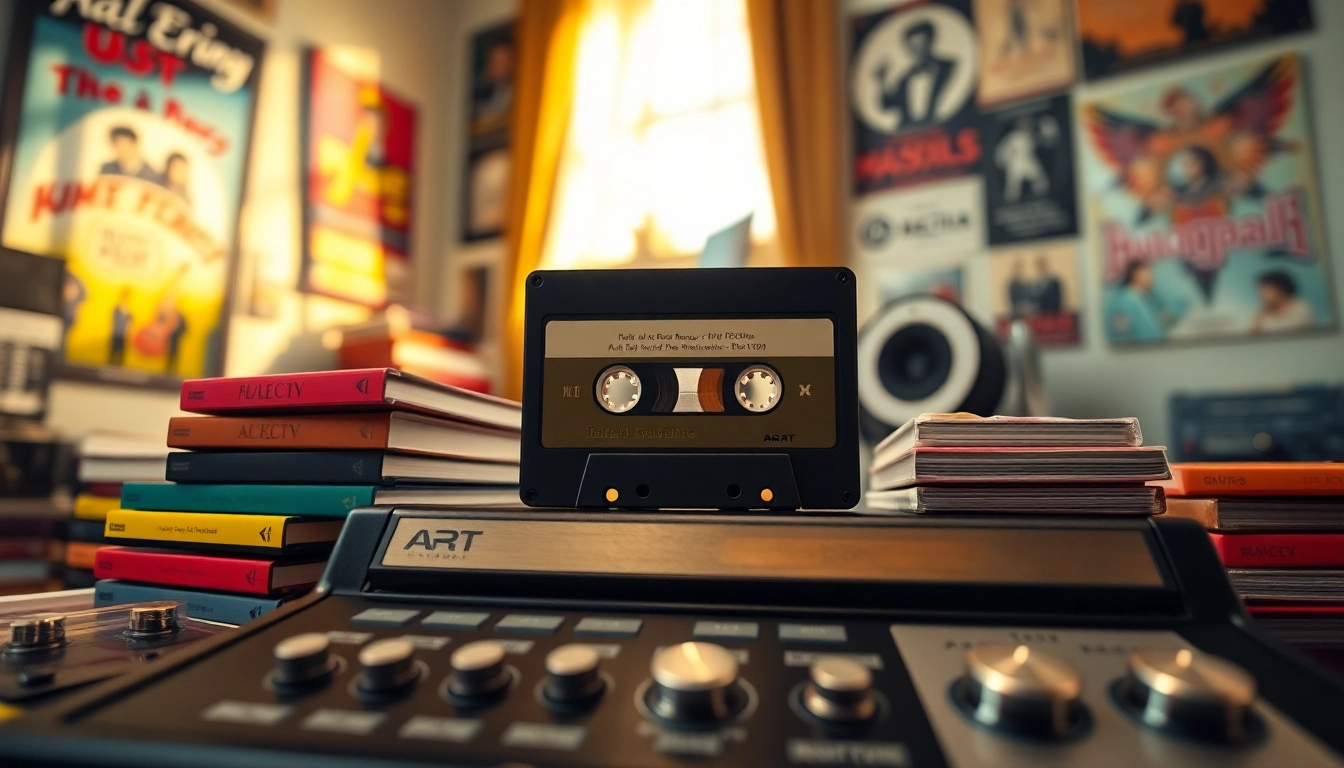
The audio cassette represents a unique chapter in the narrative of music, technology, and culture. While digital formats have overwhelmingly dominated the music landscape in recent decades, this compact magnetic tape format has experienced a notable resurgence. This article will explore the history, cultural significance, sound qualities, practical aspects, and creative uses of audio cassettes, offering readers a comprehensive look at why this retro medium is making waves again.
The History of the Audio Cassette
The Development of Audio Cassette Technology
The audio cassette was developed in the early 1960s as a response to the need for a portable and straightforward format for audio recording. Initially conceived by the Philips company, the cassette tape featured a compact, easy-to-use design with the magnetic tape inside two reels, encased in a plastic shell. This format allowed users to record audio without the complexities of earlier technologies, such as reel-to-reel tape recorders.
By the 1970s, audio cassettes began to gain mass popularity, driven in part by the advent of the portable music player known as the Walkman. This translation from home recording to personal listening devices made the audio cassette synonymous with freedom and accessibility in music consumption. As record labels began to release albums in cassette format, consumers enjoyed the convenience of carrying their music collections with them wherever they went.
Audio Cassette in Popular Culture
The cultural impact of the audio cassette is evident in various aspects of society, particularly in the ways it facilitated the sharing of music and the personalization of playlists. Throughout the 1980s, the cassette tape became the medium of choice for mixtapes—collections of songs recorded by individuals for special occasions, personal sharing, or even romantic gestures.
Additionally, audio cassettes inspired an entire culture of music appreciation and fandom, highlighted by the rise of independent record labels and artist-driven music distribution. Cassettes were affordable and easy to reproduce, thus providing a platform for emerging artists to reach audiences without the backing of large studios.
The Decline and Resurgence of Audio Cassette
With the rise of CDs in the late 1980s and the digital transition in the 2000s, the audio cassette saw a significant decline in production and sales. However, in the 2010s, the cassette began to experience a revival, particularly among millennials and Gen Z, who were attracted by its nostalgic appeal and unique sound characteristics. Indie artists began releasing music on cassette, celebrating its retro charm and tactile experience. In some cases, cassette recordings are marketed as limited editions, adding to their collectible value.
Why Choose Audio Cassette in the Digital Age?
The Unique Sound Quality of Audio Cassette
One of the most compelling arguments for choosing audio cassettes over digital formats lies in their unique sound characteristics. Many enthusiasts argue that cassette recordings capture warmth and depth that digital formats can sometimes lack. The analog nature of the cassette format contributes to a less sterile auditory experience, filling in gaps that might be perceived as harsh or overly compressed in digital tracks.
Cassettes offer a distinctive character that is shaped by the quality of the recording equipment, the type of tape used, and even the player's condition. While digital files reproduce sound waves with precision and clarity, cassettes present a richer, more textured listening experience, which many aficionados continue to appreciate.
Audio Cassette as a Tangible Music Format
In a world dominated by streaming services, one of the advantages of the audio cassette is its physical presence. Unlike intangible digital files, cassettes require a tangible interaction, encouraging listeners to engage with their music collection more actively. The process of handling, storing, and playing cassettes creates a more immersive experience that celebrates the artistry of album artwork and packaging.
Owning a cassette collection invites nostalgia and a sense of attachment to the music, fostering a deeper appreciation for personal favorite albums. Additionally, design enthusiasts often value the aesthetic aspect of cassette tapes, with many collections beautifully displayed as art pieces.
The Nostalgic Appeal of Audio Cassette
The resurgence of audio cassettes can largely be attributed to nostalgia. Many collectors and enthusiasts grew up during the golden age of cassette tapes and have fond memories of creating mixtapes, sharing music with friends, and discovering new artists through tape swaps. For the younger generations, the cassette represents a quaint yet revolutionary piece of technology from a bygone era.
This nostalgia fuels a growing interest in cassette culture, as individuals are drawn to the texture of music history and the stories behind their favorite tracks. Events such as cassette listening parties, thrift shop hunts for hidden gems, and cassette fairs highlight the cultural importance of preserving this format and fostering a community around it.
Finding Quality Audio Cassette Tapes
Where to Purchase Audio Cassette
For those looking to dive into the world of audio cassettes, numerous options exist for purchasing tapes. Online marketplaces, independent record stores, and thrift shops all offer unique avenues for finding both new and used cassettes. Some online retailers specialize specifically in cassettes, sourcing inventory from collectors and artists alike.
It’s essential to explore different platforms to uncover rare releases, alongside popular titles. In recent years, cassette revivalists have launched sites dedicated solely to selling cassette tapes, expanding access to collectors, and reintroducing cassette releases from various genres.
Evaluating Audio Cassette Tape Quality
When evaluating audio cassette quality, there are several critical factors to consider. First, inspect the tape itself for any visible damage or wear. The condition of the cassette shell should be intact, free from cracks or heavy scuffing that might affect playback. The visible tape should also be free from any corrugation or creases, indicating it has been well cared for.
Next, consider the reputation of the seller. Reputable vendors often provide reviews or ratings based on previous sales, ensuring that you receive quality items. Finally, tap into your community—for those less familiar with cassette quality, joining forums or social media groups dedicated to cassettes can provide helpful resources on identifying tape conditions and trustworthy sellers.
New vs. Used Audio Cassette Purchases
Choosing between new and used audio cassettes can affect not only the quality of the recordings but also the overall experience of collecting. New cassettes, particularly those produced in limited runs by indie artists, often come in colorful designs with fresh recordings. These tapes are ideal for collectors wanting pristine items to showcase in their collections.
Conversely, used cassettes can yield hidden treasures and vintage recordings that are no longer in circulation. While they might show signs of wear, the charm of owning a cherished piece of music history outweighs potential concerns about sound quality. Additionally, purchasing used cassettes supports a culture of recycling and reusing, contributing to a more sustainable approach to music consumption.
Caring for Your Audio Cassette Collection
Best Practices for Storing Audio Cassette
Proper storage is vital for maintaining the longevity of audio cassettes. The ideal environment is cool, dry, and away from direct sunlight, as excessive heat and moisture can warp the tapes. Storing cassettes in a upright position, like books on a shelf, minimizes the risk of damage to the tape itself.
Utilizing protective cases or shelving dedicated to cassettes can also mitigate light exposure and dust accumulation, thereby preserving the integrity of the casing and the tape. Organizing cassettes alphabetically or by genre can help streamline the user experience when looking for specific recordings.
How to Clean and Maintain Audio Cassette
Cleaning audio cassettes involves delicate steps that should be approached carefully. First, inspect the tape for dust and debris that can interfere with playback. A soft microfiber cloth dampened lightly with isopropyl alcohol can be used to wipe down the exterior casing. Inside, a cotton swab can help clean the tape heads of the cassette player, which, if contaminated, can hinder playback quality.
Periodically check the integrity of the tape itself. If you notice any signs of deterioration, such as sticky tape or sound issues, consider transferring the contents to a digital format to preserve the recordings.
Repairing Common Audio Cassette Issues
Common issues that cassette collectors face include tangled tapes, sound distortion, and case damage. For tangled tapes, carefully open the cassette using a screwdriver, free the tape from the gears, and then rewind it gently around the spools. Sound distortion might require cleaning of the tape path or adjustments to the player’s settings, while replacement parts are often available for damaged cassettes.
In some cases, professional services are available for repairing cassettes, but many enthusiasts opt to tackle simple repairs themselves, gaining a greater appreciation for the mechanics behind the audio cassette format.
Innovative Uses for Audio Cassette Today
Mix Tapes: A Personal Touch with Audio Cassette
The art of the mixtape is a cherished tradition that showcases the personal connection between the maker and the recipient. Although digital playlists are widely accessible, they lack the inherent thoughtfulness found in a carefully curated cassette mixtape. Each mixtape can be a heartfelt gift, full of meaning, nostalgia, and creativity.
In constructing a mixtape, individuals often consider factors such as emotional themes, song order, and even the aesthetic of the cassette's label and cover art. This hands-on approach cultivates a deeply personalized musical experience that transcends modern practices.
Creating Art and Decor from Audio Cassette
Beyond audio playback, audio cassettes can serve as a unique avenue for art and décor. Artists and DIY enthusiasts create sculptures, wall art, and jewelry from repurposed cassettes, breathing new life into these retro media. For instance, creating collages from cassette labels or crafting albums with old tapes can yield visually striking pieces that challenge perceptions of vintage technology.
Additionally, community art projects often invite locals to contribute their unused or broken cassette tapes, further emphasizing the cultural significance through collective expression and creativity.
Audio Cassette in Modern Music Production
Surprisingly, audio cassettes have reclaimed a place in modern music production, with many artists opting to record their projects onto tape before digitizing them. The intentionality behind this choice lies in the aesthetics of sound, as recording tracks onto cassette can produce a distinctive warmth and unique coloration, setting recordings apart from polished digital equivalents.
In addition, several contemporary music labels embrace the cassette format, releasing limited editions of successful albums on tape. This practice not only caters to nostalgic listeners but also attracts a new generation who find value in the tangible, analog experience of audio cassettes.
Through its rich history, distinct character, and creative potential, the audio cassette remains far more than a relic of the past. As collectors and enthusiasts continue to celebrate its vibrancy, the audio cassette demonstrates the powerful connection between music and the human experience.