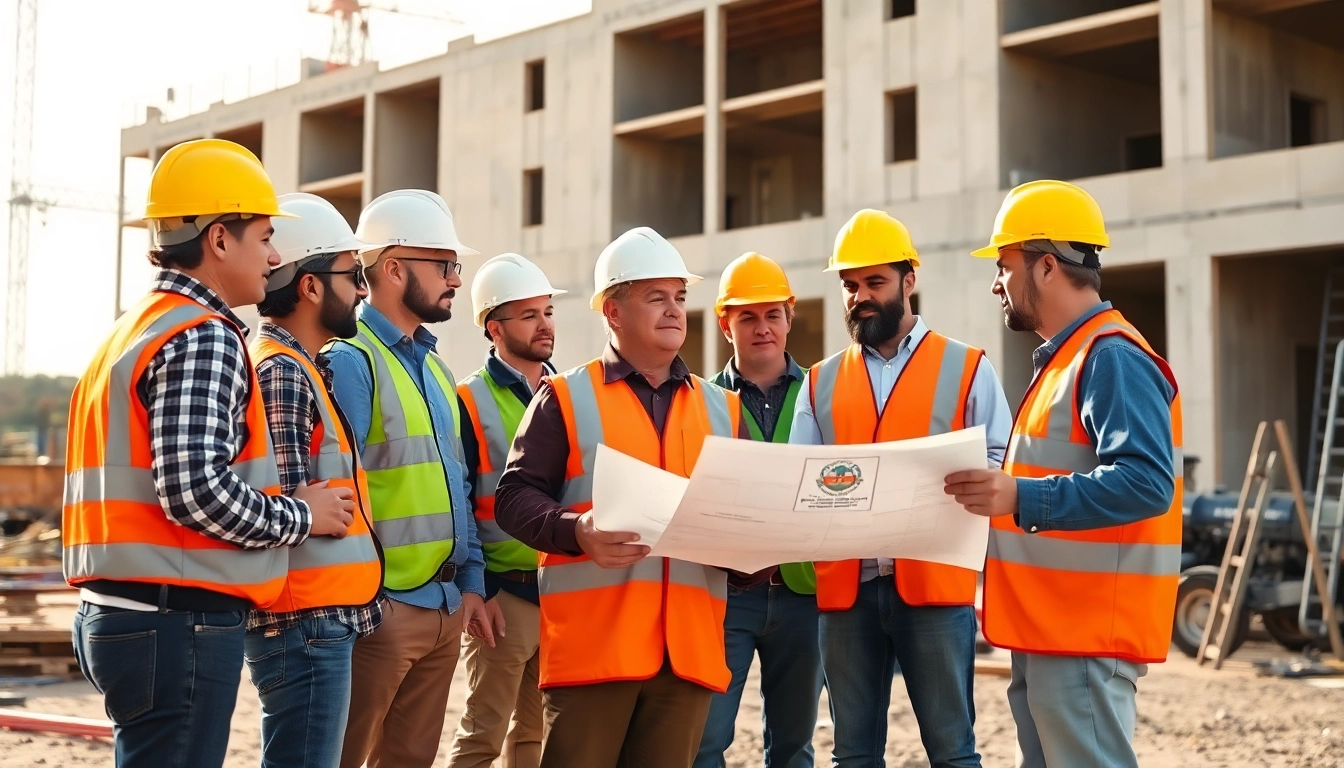
Understanding Careers in Construction
Overview of the Construction Industry
The construction industry is a cornerstone of economic growth and infrastructure development, playing a crucial role in the functioning of society. It encompasses a diverse range of activities related to the building of structures, including residential homes, commercial properties, roads, bridges, and more. With the industry's growth, especially in urban areas, there are ample Careers in construction for individuals with various skills and interests. As technology evolves, so too does the nature of construction work, which increasingly prioritizes sustainability, safety, and efficiency.
Types of Careers in Construction
The construction field offers a variety of career paths ranging from hands-on labor positions to specialized roles in management and design. Some notable career options include:
- Construction Laborer: Engaged in various physical tasks to assist in building projects.
- Electrician: Responsible for installing and maintaining electrical systems in structures.
- Architect: Design and plan buildings and other structures to meet the needs of clients.
- Construction Manager: Oversee the planning, execution, and completion of construction projects.
- Surveyor: Measure land to determine boundaries and provide data for construction projects.
- Skilled Tradesperson: Includes carpenters, plumbers, and welders who bring technical expertise to their trade.
Skills Required for Success
Success in the construction industry demands a combination of physical, technical, and soft skills. Some essential skills include:
- Technical Skills: Proficiency in various construction techniques and tools.
- Problem-Solving: Ability to address challenges that arise during projects.
- Attention to Detail: Precision in executing plans and following safety protocols.
- Communication: Clear communication with team members, clients, and stakeholders.
- Time Management: Efficiently managing tasks to meet project deadlines.
- Leadership: Ability to guide teams and make decisions under pressure.
The Importance of Training and Education
Qualifications and Certifications in Construction
Obtaining relevant qualifications and certifications is vital for career advancement in construction. Many employers prefer candidates who possess certifications that validate their skills and knowledge. Some key certifications include:
- OSHA Certification: Ensures workers understand safety regulations.
- Building Code Certifications: Validates knowledge of local building codes.
- Project Management Certification: Enhances skills in overseeing construction projects.
Benefits of Apprenticeships
Apprenticeships offer invaluable opportunities to gain hands-on experience while earning a wage. Through a structured program, apprentices learn from experienced professionals, which benefits both the apprentice and the employer. This on-the-job training is crucial for developing practical skills and understanding the nuances of the construction environment.
Continuous Learning Opportunities
The construction industry is constantly evolving, with new technologies and methodologies emerging regularly. Therefore, continuous learning is essential. Professional development opportunities, such as workshops, webinars, and industry conferences, help workers stay updated on best practices and innovations.
Navigating Job Opportunities in Construction
How to Prepare a Construction Resume
Crafting an effective construction resume involves highlighting relevant experience, skills, and qualifications. Ensure to:
- Tailor your resume for the specific job description.
- Include certifications and licenses prominently.
- Use action verbs to describe your responsibilities and achievements.
- Highlight projects you've worked on, showcasing tangible outcomes.
Networking in the Construction Field
Networking is crucial in the construction sector for discovering job opportunities and establishing professional relationships. Engage with industry professionals through local construction associations, trade shows, and online platforms. Building a robust network can lead to referrals and collaborations that enhance career prospects.
Job Boards and Resources for Careers in Construction
Utilizing job boards that specialize in construction roles can yield fruitful results. Websites specifically designed for construction jobs provide tailored listings, allowing job seekers to find positions that match their skills and preferences. Resources such as governmental labor statistics and vocational training centers can also offer insights into job market demands.
Overcoming Challenges in the Construction Industry
Addressing Workforce Shortages
Workforce shortages present a significant challenge in the construction industry, often due to a lack of skilled labor. To mitigate this, companies are increasingly investing in training programs and apprenticeships, creating a pipeline for future workers and addressing immediate labor demands.
Safety Concerns and Best Practices
Safety is paramount in construction due to the inherent risks involved. Implementing stringent safety protocols, providing regular training, and fostering a culture of safety are essential best practices. This ensures workers are well-equipped to handle emergencies and reduce accidents on-site.
Adapting to Technological Advancements
The construction industry is experiencing a technological revolution, from Building Information Modeling (BIM) to drones and 3D printing. Embracing these advancements requires not only investing in these technologies but also training the workforce to utilize them effectively. This adaptation can lead to greater efficiency and improved project outcomes.
Future Trends in Careers in Construction
Sustainability and Green Building
As environmental concerns grow, sustainability in construction is becoming increasingly important. Careers focused on green building practices, such as sustainable design and energy efficiency, are on the rise. Professionals in this area must stay informed about eco-friendly materials and construction methods to lead projects that minimize environmental impact.
The Role of Technology in Construction Jobs
Technology will play an integral role in shaping careers in construction. From project management software to advanced building techniques, an understanding of technology is becoming indispensable. Workers will need to adapt to using new tools and platforms that streamline workflows and increase productivity.
Forecasting Job Market Growth
The construction job market is poised for growth, driven by population increases and a renewed focus on infrastructure. Job seekers can expect more opportunities as demand for skilled labor rises, particularly in construction management, skilled trades, and sustainability roles. Staying updated on market trends can give candidates a competitive edge.
FAQs
1. What qualifications do I need for a career in construction?
Qualifications vary widely; however, most positions require a high school diploma, technical training, and sometimes certifications. Specialized roles may require additional credentials or degrees.
2. What are the benefits of an apprenticeship in construction?
Apprenticeships provide hands-on experience, a salary while you learn, and the chance to gain industry-recognized credentials. They also enhance employability after completion.
3. How can I find job opportunities in construction?
Networking, using specialized job boards, and engaging with industry groups are effective ways to discover job opportunities. Staying active on these platforms can lead to potential openings.
4. What are common safety concerns in construction?
Common safety concerns include falls, electrical hazards, and equipment accidents. Adhering to safety protocols and regular training can significantly mitigate these risks.
5. How is technology changing the construction industry?
Technology is enhancing productivity through tools like BIM, drones, and automation, improving project management, safety, and overall efficiency in construction workflows.