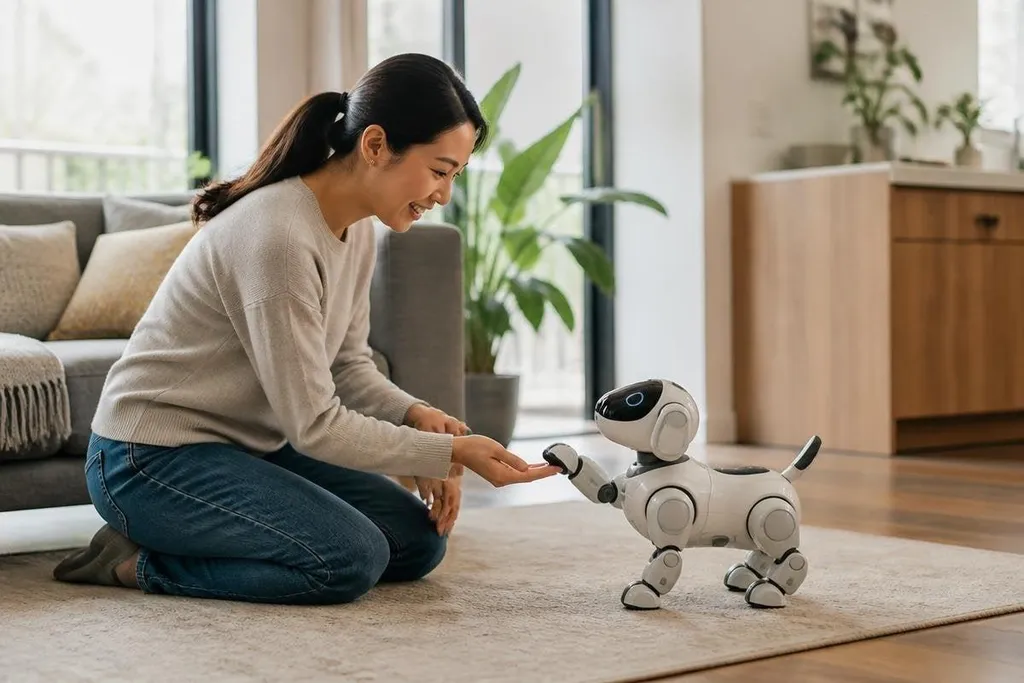
A robot pet can sell hardware once, then create work around software, repairs, content, and care. The business question is who pays after the first purchase, and for what useful task.
- Hardware sales bring in money at the start, but service fees can keep it coming.
- Owners may pay for new behaviors, remote control, or saved memories.
- Repair, training, and venue services can reach buyers who don't want a robot at home.
Hardware is only the first sale
The robot itself is the clear starting point. A company can sell a small pet for home use, a larger model for public spaces, or a robot built for a narrow job such as greeting visitors.
That choice changes the buyer. A household may care about noise, floor safety, and charging. A hotel or care home may ask for a service plan, cleaning rules, staff training, and a way to stop the robot quickly.
The machine also creates room for paid parts. Batteries wear out. Motors, cameras, speakers, and plastic shells can fail or need replacement. A maker that sells those parts directly has a second source of income and a way to keep the robot in use.
This model carries a plain risk. If the robot costs too much to repair, the owner may replace it instead. The business needs a clear parts price and a repair process before sales grow.
Software can change the robot over time
Robot pets can run software that controls movement, sound, vision, and responses to touch. That gives the maker a way to sell new functions after the hardware reaches the owner's home.
A paid software plan might add remote control, new games, speech settings, or a log of the robot's activity. A one-time purchase could add a new behavior pack. The offer has to give the owner a clear reason to pay, since a new menu or color change may not be enough.
Privacy also becomes a business issue. Cameras and microphones on the robot may collect data inside a private home. Companies need to explain what the robot records, where the data goes, and how owners can delete it. A low monthly fee won't fix a weak privacy policy.
Privacy rules can shape which services a robot pet can support. A company selling companionship or home monitoring needs proof that the robot works in a real home, not only in a product demo. Robot pet business reporting can tie those claims to a named robot, maker, test setting, and date before you price the service.
Services may reach more buyers
Some customers will want the robot without wanting to manage it. That creates room for rental, setup, training, and repair services.
A retailer could rent robot pets for a weekend event. A hotel could pay for a machine during a busy season. A care provider might hire a team to charge the robots, clean them, update software, and report faults.
These services change the sales pitch from ownership to use. The buyer pays for a working robot at a set time and place. The supplier carries more of the repair work, so the contract needs clear limits on hours, damage, battery charging, and staff support.
Training is another practical service. A child may need guidance before using a moving robot near stairs or pets. Staff at a public venue may need a short lesson on the stop button, charging dock, and safe handover.
Content and data need care
Robot pets can create games, stories, lessons, and video content. A maker could sell character packs, guided activities, or tools that let owners build their own routines.
The safer business path keeps the owner in control. It avoids claims that the robot understands feelings or can replace human care. Reacting to a voice, following a routine, or moving toward a charging dock doesn't prove that the robot thinks like an animal.
Data may help the maker fix faults and improve motion, but collection must match the product's promise. Children's voices, faces, and movement records need extra care. A company that cannot explain its data rules may lose the sale before the robot leaves the box.
A buying and business check
Before funding or buying a robot pet, check these points:
- Task first: name the job the robot must do each day.
- Total cost: include the robot, software fees, parts, charging, and staff time.
- Failure plan: ask who fixes a dead motor, damaged shell, or lost network link.
- Data rules: confirm what cameras and microphones record, store, and delete.
- Human role: set the point where a person must take over.
The strongest business may sit after the hardware sale, but that depends on repeat use.
If owners stop charging the robot after a week, no software plan will save the model. If the robot earns time, attention, or useful service in a clear setting, repair and paid content have a reason to exist.
I'd place my bet on service plans for venues and care settings before a large home subscription market. The open question is simple: can a robot pet do one paid job well enough for someone to renew the contract?